この話題を日本語で読む: 韓国旅行2泊3日 2026年ソウルモデルコース完全ガイド|実費用・仁川と金浦どちらが得か・持ち物まで解説
Introduction
Honestly, I almost didn't write this post — because every Korea itinerary I'd seen online before my trip felt like it was written by someone who'd never actually tried to follow one. You know the type: impossibly packed schedules that have you sprinting between twelve attractions before lunch, zero mention of how exhausted your feet will be by Day 3, and costs that are clearly from 2019.
🗺️ Looking for guided tours here? Klook has English-speaking options — food tours and walking tours tend to sell out on weekends, so book ahead.
So when I sat down to plan my own 7-day Korea itinerary, I threw most of those guides out the window. What I built instead was a route I actually walked, ate through, and sweated through (it was June, after all — more on that humidity later). Seoul for four days, a day trip that turned into an overnight in Gyeongju, and two days in Busan to close things out. The rhythm felt right. Enough time to go deep in Seoul without burning out, enough variety to feel like you've actually seen the country, and enough breathing room that you're not dragging luggage across train platforms at 6am every morning.
🎒 Still prepping your bag? Amazon has a solid selection of Korea travel essentials — the Type C/F adapter and a portable charger are the two things most people forget.
✅ For tours and day trips around this area, Klook has a solid selection with English guides available.
What I didn't expect was how much the trip between cities would become part of the experience itself. The KTX bullet train from Seoul to Gyeongju cuts through countryside that genuinely made me put my phone down — rice paddies stretching to low mountains, small towns flickering past at 300 km/h. And Busan's vibe is so different from Seoul that it felt like visiting a second country. The coastal air, the seafood markets with their raw fish counters right on the water, the beach neighborhoods where locals actually hang out — it all added up to something I didn't get from Seoul alone.
If you're planning a Korea trip in 2026, this is the itinerary I'd hand to a friend. Not the "see everything" version, but the "actually enjoy yourself" version. Every price is current as of June 2026, every restaurant is one I personally ate at, and every tip comes from something I either did right or learned the hard way.
How Long Do You Need in Korea?
Seven days is the sweet spot for a first visit to Korea. It gives you enough time to explore Seoul's palaces, neighborhoods, and food scene without rushing, plus a two-city side trip that shows you a completely different side of the country. You could do Korea in five days, but you'd feel it — and anything beyond ten days is better saved for a return trip when you know what you love.
This itinerary breaks down as follows: Days 1–4 in Seoul, Day 5 in Gyeongju (with an overnight), Days 6–7 in Busan, departing from Busan or returning to Seoul for your flight. The total travel time between cities is about 4.5 hours by KTX, split across two train rides — completely manageable.
Best Time to Visit Korea
I visited in late June, and I'll be straight with you: the humidity was no joke. My shirt was soaked through by 11am most days. That said, late June sits right before the monsoon season (typically early-to-mid July in 2026), so I dodged the heavy rain. Here's the full picture:
| Season | Crowds | Weather | Notes |
|---|---|---|---|
| Spring (Mar–May) | High, especially cherry blossom weeks | 10–22°C (50–72°F), mild and dry | Best overall weather; book 6+ weeks ahead for April |
| Summer (Jun–Aug) | Moderate (locals on vacation in Aug) | 25–35°C (77–95°F), humid + monsoon in Jul | Pack light clothes, umbrella essential; fewer Western tourists |
| Autumn (Sep–Nov) | High in October | 10–25°C (50–77°F), crisp and clear | Peak foliage mid-Oct; second-best season overall |
| Winter (Dec–Feb) | Low | -10–5°C (14–41°F), dry cold | Budget-friendly; fewer crowds but some outdoor sites less enjoyable |
Getting to Korea and Getting Around
Most international flights land at Incheon International Airport (ICN), about 60–90 minutes west of central Seoul. The Airport Railroad Express (AREX) runs direct to Seoul Station in 43 minutes for ₩11,000 (~$8). That's what I took — comfortable seats, luggage racks, and no traffic stress.
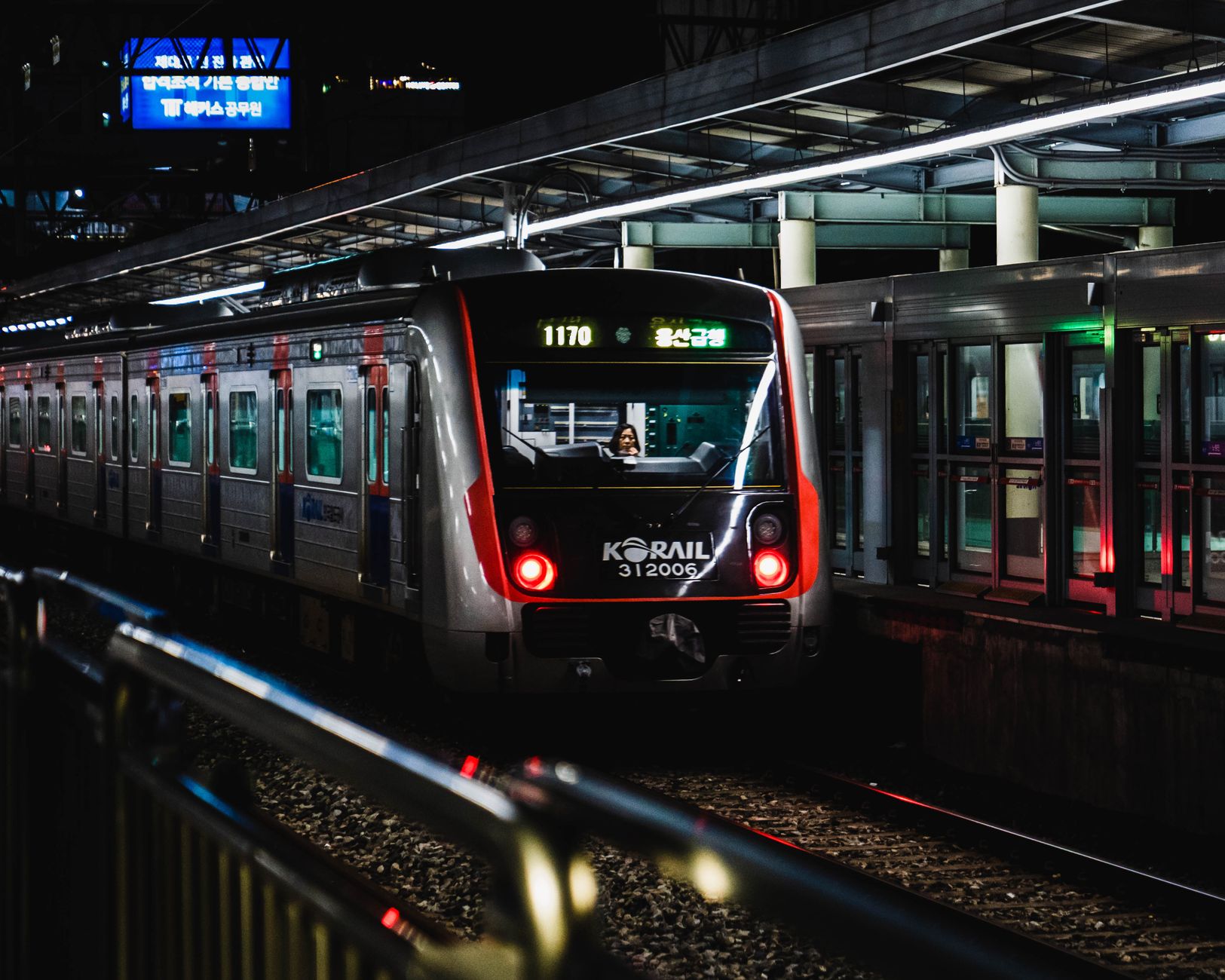
For intercity travel, the KTX bullet train is your best friend. Seoul to Gyeongju is about 2 hours, Gyeongju to Busan about 30 minutes. Book tickets on the Korail website (English available) or at station kiosks. Within cities, the T-money card (₩2,500 for the card, then top up) works on all subways, buses, and even convenience stores.
Day 1: Arriving in Seoul — Settle In, First Taste of the City
Seoul is a city of 10 million people, but your first day doesn't need to be overwhelming. After landing and checking in, the goal is simple: get oriented, eat well, and let your body adjust.
Afternoon: Check in and Myeongdong Walk
I stayed near Myeongdong, which I'd recommend for first-timers — it's central, well-connected by subway, and surrounded by food. After dropping bags, I walked the main Myeongdong shopping street. Personally, I found the shops themselves pretty skippable (it's mostly skincare and fast fashion), but the street food stalls that line both sides starting around 3pm are genuinely worth your time.
The egg bread (gyeran-bbang) was pillowy and hot, ₩2,000 (~$1.50). The tornado potatoes on sticks were more Instagram than flavor. The real winner was a stall selling hotteok — sweet pancakes filled with brown sugar and seeds — crispy outside, molten inside, and gone in four bites. ₩1,500 (~$1.10).
📍 Myeongdong Street Food Area
🚇 Getting there: Line 4, Myeongdong Station Exit 6
⏱️ Time needed: 1–2 hours
💴 Cost: ₩5,000–15,000 (~$3.60–$11) depending on how many stalls you hit
Evening: Namsan Tower at Sunset
Take the Namsan Cable Car (₩16,500 round trip, ~$12 as of 2026) to N Seoul Tower for sunset views over the city. I arrived at 6:30pm in late June, and the sun set around 7:50pm — giving plenty of time to find a spot. The observation deck costs an additional ₩16,000 (~$11.60), but honestly, the free outdoor viewing area just below offers nearly identical views.
The city sprawls in every direction — steel and glass towers fading into mountain ridges. What struck me was the sound up there: the wind cutting past the tower mixed with distant traffic, like a low hum beneath everything. It's the first moment Korea felt enormous.
📍 N Seoul Tower: 105 Namsangongwon-gil, Yongsan-gu, Seoul
🚇 Getting there: Line 4, Myeongdong Station Exit 3, then 10-min walk to cable car station
⏱️ Time needed: 1.5–2 hours
💴 Cable car + observation: ₩32,500 (~$23.60) or cable car only ₩16,500 (~$12)
🇰🇷 Useful Korean — Getting Around
- 여기 가 주세요 (yeo-gi ga ju-se-yo) — "Please take me here" (show map to taxi driver)
- 감사합니다 (gam-sa-ham-ni-da) — "Thank you" (formal — use this everywhere)
- 천천히 말해 주세요 (cheon-cheon-hi mal-hae ju-se-yo) — "Please speak slowly"🎬 Planning session fuel: GrooveSeoul Studio — Korean café and city vibe playlists that make you want to book the trip faster.

Day 2: Palaces, Hanok Villages, and Seoul's Historical Core
Seoul's historical core is compact enough to cover in a full day without a taxi. This is the day you'll walk the most — I logged about 16,000 steps — so wear comfortable shoes and pace yourself.
Morning: Gyeongbokgung Palace (arrive by 9am)
Gyeongbokgung Palace is Seoul's largest and most important royal palace, originally built in 1395 and painstakingly restored after its destruction during the Japanese occupation. Admission is ₩3,000 (~$2.20) as of 2026, and free if you're wearing hanbok (traditional Korean clothing).
I arrived at 8:50am on a Wednesday, and the grounds were almost empty. By 10:30am, the tour groups had filled in and photo spots had lines. The changing of the guard ceremony happens at 10am and 2pm — it's a 20-minute performance worth timing your visit around, but position yourself at the main Gwanghwamun Gate by 9:40am for an unobstructed view.
The scale of the palace surprised me. The throne hall (Geunjeongjeon) sits at the far end of a vast stone courtyard, and when the morning light hit the painted eaves — reds, greens, blues weathered by centuries — I understood why people rent hanbok just to photograph themselves here.
📍 Gyeongbokgung Palace: 161 Sajik-ro, Jongno-gu, Seoul
🚇 Getting there: Line 3, Gyeongbokgung Station Exit 5 (5-min walk)
⏱️ Time needed: 2–3 hours
💴 Admission: ₩3,000 (~$2.20), free in hanbok
Late Morning: Bukchon Hanok Village
A 15-minute walk northeast of Gyeongbokgung brings you to Bukchon Hanok Village, a hillside neighborhood of traditional Korean houses (hanok) that are still lived in today. The photo-famous viewpoint is on Bukchon 8-gil — but I'll warn you, it's a steep climb and the alley is narrow.
Residents have posted signs asking visitors to keep quiet, and I respected that. This isn't a theme park — people live, cook, and sleep behind those walls. The smell of doenjang (fermented soybean paste) drifted from one doorway, sharp and earthy, and it grounded the whole experience in something real.
📍 Bukchon Hanok Village: 37 Gyedong-gil, Jongno-gu, Seoul
🚇 Getting there: Line 3, Anguk Station Exit 2 (10-min walk uphill)
⏱️ Time needed: 1–1.5 hours
💴 Admission: Free (outdoor walking area)
Afternoon: Insadong and Lunch
Walk south to Insadong, Seoul's traditional arts and crafts district. This is where I had my first proper sit-down Korean meal: bibimbap at a small restaurant on the main street. A stone-bowl bibimbap with banchan (side dishes) ran ₩12,000 (~$8.70). The rice at the bottom was crispy, the egg was runny, and I mixed in too much gochujang (red pepper paste) on the first try. Lesson learned.
Insadong also has the Ssamziegil complex — a spiral-shaped open-air mall with independent shops selling ceramics, tea, and handmade goods. It's a good place to find gifts that aren't mass-produced.
Evening: Gwangjang Market for Dinner
End the day at Gwangjang Market, one of Seoul's oldest and best traditional markets. The food hall is chaotic, loud, and utterly wonderful. Grab a seat at one of the long counters and point at what looks good.
My order: bindaetteok (mung bean pancake, ₩5,000 / ~$3.60), mayak gimbap (addictive mini seaweed rice rolls, ₩4,000 / ~$2.90), and yukhoe (Korean-style beef tartare with pear and egg yolk, ₩15,000 / ~$10.90). The bindaetteok was thick, crispy-edged, and came with a soy-vinegar dipping sauce that cut through the richness perfectly.
📍 Gwangjang Market: 88 Changgyeonggung-ro, Jongno-gu, Seoul
🚇 Getting there: Line 1, Jongno 5-ga Station Exit 8
⏱️ Time needed: 1–2 hours
💴 Dinner for two: ₩30,000–50,000 (~$22–$36)
🇰🇷 Useful Korean — At Markets and Restaurants
- 이거 주세요 (i-geo ju-se-yo) — "This one, please" (point at the menu or dish)
- 맛있다! (ma-sit-da!) — "This is delicious!"
- 덜 맵게 해 주세요 (deol maep-ge hae ju-se-yo) — "Less spicy, please"
- 물 주세요 (mul ju-se-yo) — "Water, please"
- 카드 돼요? (ka-deu dwae-yo?) — "Do you accept card?"

Day 3: Modern Seoul — Neighborhoods, Shopping, and Night Views
After a heavy history day, Day 3 shifts to Seoul's modern side. This is a more relaxed pace — café stops, neighborhood browsing, and a spectacular night view.
Morning: Hongdae Neighborhood
Hongdae (short for Hongik University area) is Seoul's creative district. On weekday mornings, it's calm — indie coffee shops, mural-lined alleys, and vintage clothing stores. I had an excellent flat white at Anthracite Coffee, housed in a converted shoe factory with exposed concrete and industrial ceilings. Coffee ran ₩6,500 (~$4.70). The café has deep seating — a welcome rest after yesterday's walking.
Wander the side streets between the main drag and the park. The murals change seasonally, and the vintage shops carry genuinely interesting finds from the 70s–90s.
📍 Hongdae Area: Around Hongik University
🚇 Getting there: Line 2, Hongik Univ. Station Exit 9
⏱️ Time needed: 2–3 hours
💴 Cost: Free to wander; coffee + snack ₩10,000–15,000 (~$7–$11)
Afternoon: Gangnam and COEX
Cross the river to Gangnam — yes, that Gangnam. It's more corporate than glamorous, but the Starfield COEX Mall has the stunning Byeolmadang Library, a two-story open library with floor-to-ceiling bookshelves. It's free, air-conditioned (bliss in June), and genuinely beautiful.
I also walked through Bongeunsa Temple, a 1,200-year-old Buddhist temple tucked directly behind the COEX towers. The contrast — ancient wooden halls against glass skyscrapers — is uniquely Seoul.
📍 Bongeunsa Temple: 531 Bongeunsa-ro, Gangnam-gu, Seoul
🚇 Getting there: Line 9, Bongeunsa Station Exit 1
⏱️ Time needed: 1 hour
💴 Admission: Free
Evening: Banpo Bridge Rainbow Fountain
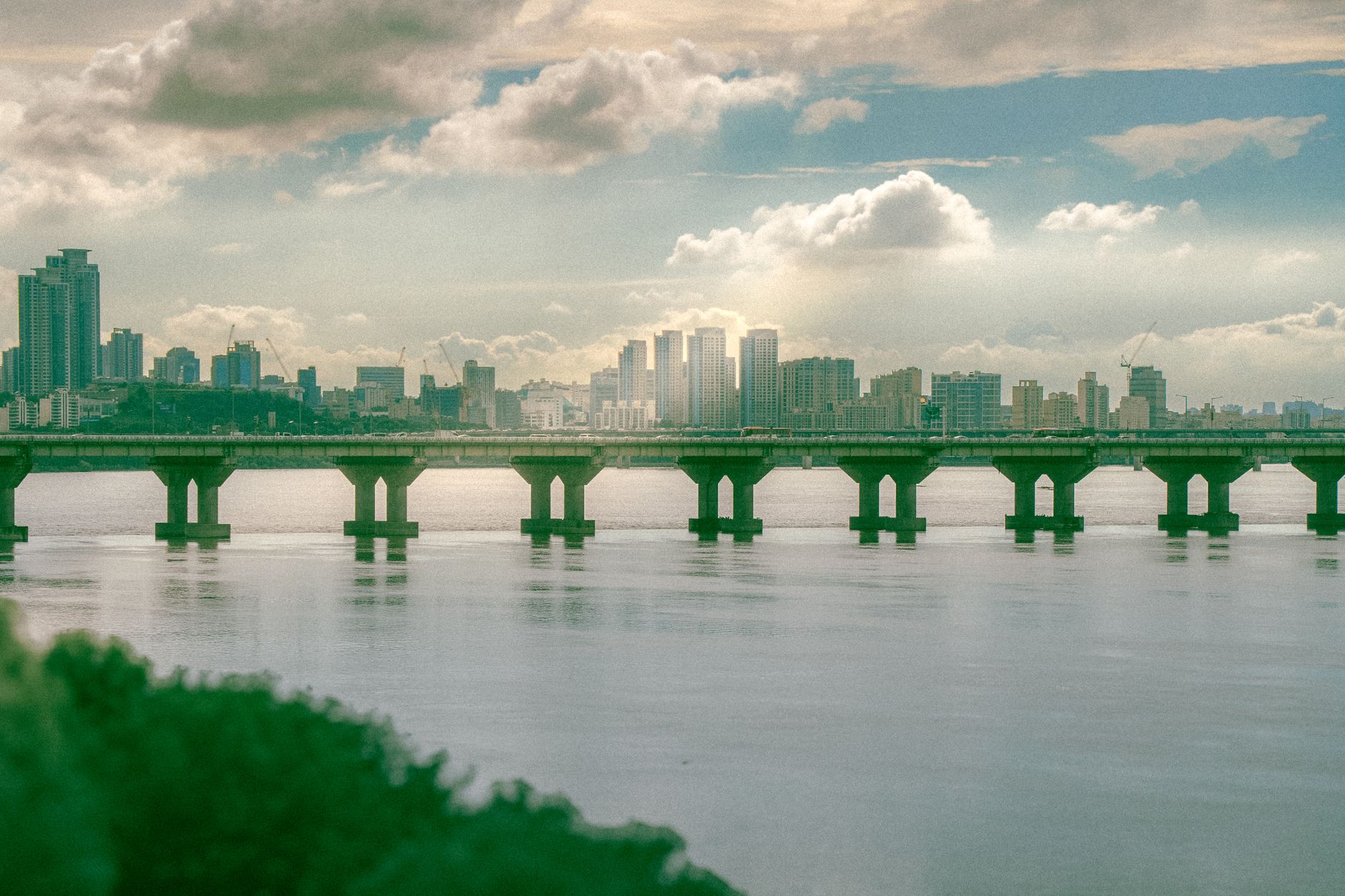
If it's not raining, head to the Banpo Hangang Park for the Moonlight Rainbow Fountain show on Banpo Bridge. As of 2026, the fountain runs nightly at 7:30pm, 8:00pm, 8:30pm, and 9:00pm (April–October schedule, 20 minutes each show). Colored water jets shoot from both sides of the bridge into the Han River — it's cheesy and spectacular.
Bring a convenience store picnic. A GS25 or CU near the park entrance has kimbap, fried chicken, and beer for under ₩15,000 (~$11) for two.
Day 4: Seoul's Hidden Side — DMZ or Day at Leisure
Day 4 is your flex day. Two options:
Option A: DMZ Tour (Half Day)
The Demilitarized Zone between North and South Korea is a surreal experience. As of 2026, the JSA (Joint Security Area) at Panmunjeom requires advance booking through an authorized tour operator — you cannot visit independently. Book at least 2 weeks ahead; summer slots fill fast.
Tours typically run ₩80,000–130,000 (~$58–$94) per person, include hotel pickup in Seoul, and last 5–6 hours. You'll see the blue UN negotiation buildings, look across the military demarcation line into North Korea, and visit the Dora Observatory.
Option B: Leisurely Seoul — Itaewon, Yongsan, or Jamsil
If the DMZ doesn't appeal (or you couldn't book in time), spend the morning at Leeum Museum of Art in Itaewon (₩18,000 / ~$13, 2026 admission), walk Gyeongnidan-gil for brunch, or visit Lotte World Tower's Seoul Sky Observatory (₩29,000 / ~$21, book online to skip the line).
Evening: Korean BBQ Farewell Dinner
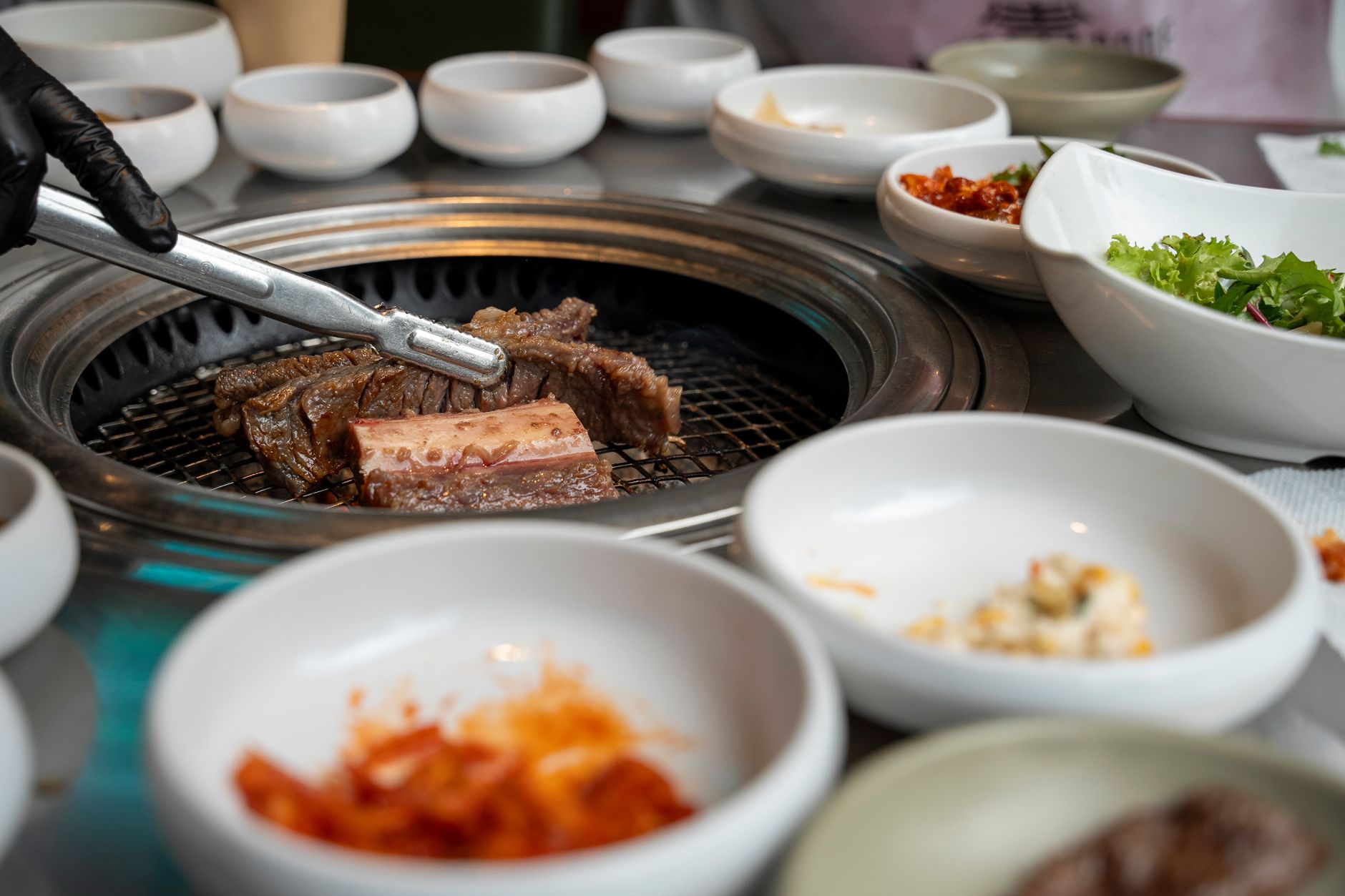
Tonight is your last dinner in Seoul, so splurge on proper Korean BBQ. I went to a well-reviewed place near Majang-dong meat market where the servers grill for you (less stress, better results). Two people eating premium hanwoo beef with all the sides and a bottle of soju: ₩120,000 (~$87). Worth every won.
🏡 If you're basing yourself here for a few nights, Agoda tends to have the best rates for Korean guesthouses and business hotels — filter by 'free cancellation' to keep flexibility.
Day 5: Seoul → Gyeongju — Korea's Open-Air Museum
Gyeongju was the capital of the ancient Silla Kingdom for nearly a thousand years (57 BC–935 AD), and the entire city feels like a museum without walls. Burial mounds rise from public parks, pagodas sit in open fields, and UNESCO sites are within cycling distance of each other. It's the single best day trip (or overnight) outside Seoul for first-timers.
Getting There
Take the KTX from Seoul Station to Singyeongju Station — about 2 hours, ₩55,000 one way (~$40) as of 2026. From Singyeongju, a local bus (₩1,500) or taxi (₩15,000 / ~$11) gets you to the city center in 20 minutes.
Morning: Bulguksa Temple and Seokguram Grotto
Bulguksa Temple is a UNESCO World Heritage Site and one of Korea's most important Buddhist temples, dating to 774 AD. The stone staircases, the lotus-and-cloud bridges, and the golden Buddha hall are all original or carefully restored. Admission is ₩6,000 (~$4.35) as of 2026.
From Bulguksa, bus 12 (₩1,800) climbs 30 minutes up a winding mountain road to Seokguram Grotto, where a massive stone Buddha sits inside a granite dome overlooking the East Sea. The humidity made the walk from the bus stop (about 700 meters, uphill, through forest) feel longer than it was, but the grotto itself was cool — both in temperature and in awe. Admission: ₩6,000 (~$4.35).
📍 Bulguksa Temple: 385 Bulguk-ro, Gyeongju
⏱️ Time needed: 1.5–2 hours (temple) + 1.5 hours (grotto round trip)
💴 Combined admission: ₩12,000 (~$8.70)
Afternoon: Tumuli Park and Cheomseongdae Observatory
Back in downtown Gyeongju, walk through Daereungwon Tumuli Park (₩3,000 / ~$2.20) — a grassy field dotted with ancient royal burial mounds. One, the Cheonmachong Tomb, is open to walk inside. The interior display shows gold crowns, jade jewelry, and a famous painted horse (cheonma) on birch bark.
Nearby, Cheomseongdae Observatory is the oldest surviving astronomical observatory in East Asia (built 632–647 AD). It's a small stone tower in a field — honestly underwhelming visually, but the signage explaining its astronomical precision is fascinating.
📍 Daereungwon Tumuli Park: 9 Gyerim-ro, Gyeongju
⏱️ Time needed: 1–1.5 hours
💴 Admission: ₩3,000 (~$2.20)
Evening: Stay Overnight in Gyeongju
I stayed at a mid-range hanok-style guesthouse near the old town center — around ₩90,000/night (~$65) for a clean room with ondol (heated floor) sleeping. Dinner was at a local restaurant serving ssambap (rice and meat wrapped in lettuce leaves) for ₩10,000 (~$7.25). The streets were empty by 9pm. Gyeongju is quiet, and that's part of the charm.
🇰🇷 Useful Korean — At Temples and Cultural Sites
- 안녕하세요 (an-nyeong-ha-se-yo) — "Hello / Good day"
- 사진 찍어도 돼요? (sa-jin jji-geo-do dwae-yo?) — "May I take a photo?"
- 죄송합니다 (joe-song-ham-ni-da) — "I'm sorry / Excuse me"
- 괜찮아요 (gwaen-cha-na-yo) — "It's okay / No problem"
Day 6: Gyeongju → Busan — Beaches, Fish Markets, and Coastal Energy
Busan is Korea's second-largest city and its beach capital. The energy shift from quiet Gyeongju is immediate — salt air, seagulls, and traffic. It's a city that faces the ocean, and everything about it feels outward and open.
Getting There
The KTX from Singyeongju to Busan Station takes just 30 minutes and costs ₩12,000 (~$8.70). One of the best-value train rides in the country.
Late Morning: Jagalchi Fish Market
Jagalchi Fish Market is Korea's largest seafood market and Busan's beating heart. The ground floor is a wet market — tanks of live fish, octopus, sea squirts, and crabs — and the upper floors are restaurants where vendors prepare what you buy downstairs. I had a platter of hoe (raw fish) with two types of sashimi, sea squirt, and all the accompaniments: ₩40,000 (~$29) for two people. The fish was so fresh the tail was still twitching when they carried it past us.
The smell is exactly what you'd expect — briny, sharp, alive. If raw fish isn't your thing, there are cooked options everywhere: grilled shellfish, fish cake soup (eomuk), and fried shrimp.
📍 Jagalchi Fish Market: 52 Jagalchihaean-ro, Jung-gu, Busan
🚇 Getting there: Line 1, Jagalchi Station Exit 10
⏱️ Time needed: 1.5–2 hours (browsing + eating)
💴 Meal for two: ₩30,000–60,000 (~$22–$44)
Afternoon: Gamcheon Culture Village
Gamcheon Culture Village is Busan's most photogenic neighborhood — pastel-colored houses cascading down a hillside, filled with murals, sculptures, and small galleries. It started as a refugee settlement during the Korean War and was transformed into an art village in 2009.
I'll be honest: it's very tourist-oriented now. The alleys are narrow and crowded, especially on weekends, and some of the "art" is just Instagram bait. But the views of the harbor from the upper streets are genuinely stunning, and a few of the galleries (especially the photography exhibits in the lower village) have real substance.
📍 Gamcheon Culture Village: 203 Gamnae 2-ro, Saha-gu, Busan
🚇 Getting there: Line 1, Toseong Station Exit 6, then bus 1-1, 2, or 2-2 (10 min)
⏱️ Time needed: 1.5–2 hours
💴 Admission: Free; trail map stamp book ₩2,000 (~$1.45)
Evening: Haeundae Beach
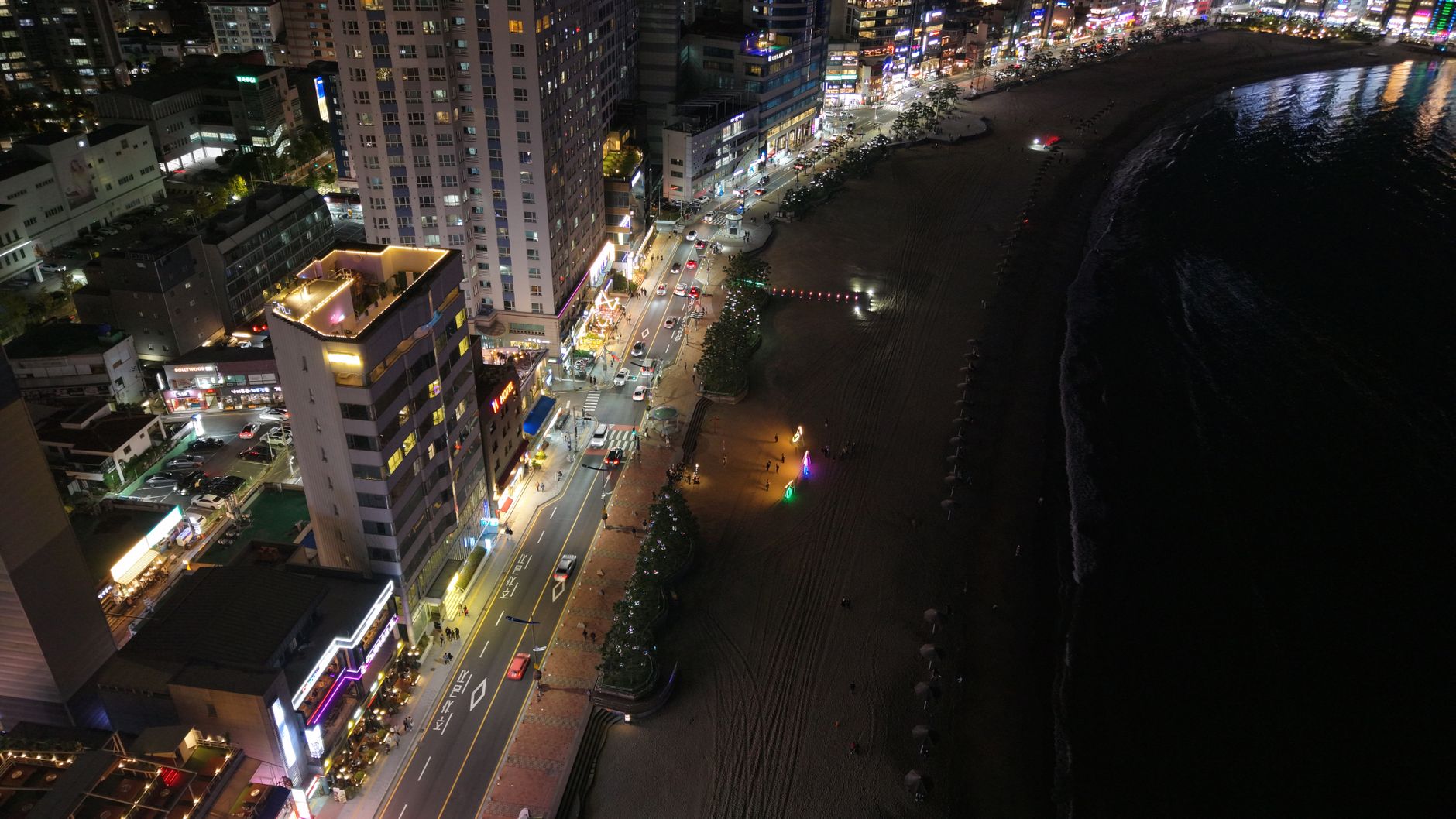
Check into your hotel near Haeundae Beach and take an evening walk along the waterfront. In late June, the beach is alive — families, couples, food stalls, and the sound of waves mixing with K-pop from beach bars. The water's warm enough for wading but not quite swimming season (that peaks in July–August).
Dinner: the seafood pojangmacha (tent restaurants) along the beach serve grilled clams, spicy seafood stew, and cold beer. Budget ₩25,000–40,000 (~$18–$29) per person.
Day 7: Busan Highlights and Departure
Your final morning in Busan. Depending on your flight time, you've got 3–5 hours to work with.
Morning: Haedong Yonggungsa Temple
Haedong Yonggungsa is a Buddhist temple built directly on the rocky coastline northeast of Haeundae. Unlike most Korean temples tucked into mountains, this one sits at sea level — waves crashing below stone Buddha statues. I arrived at 7:15am and there were maybe ten other people. By 9am, the parking lot was full.
The walk down the stone staircase (108 steps — one for each worldly desire, per Buddhist tradition) is manageable but steep. There's a railing the whole way. The temple grounds are compact, and 30–45 minutes is enough.
📍 Haedong Yonggungsa Temple: 86 Yonggung-gil, Gijang-gun, Busan
🚇 Getting there: Line 2, Haeundae Station → Bus 181 (30 min)
⏱️ Time needed: 1–1.5 hours
💴 Admission: Free
Departure Options
- Flying out of Busan (Gimhae Airport): Take Line 2 or the Busan-Gimhae Light Rail to Gimhae Airport. Allow 1.5 hours from Haeundae.
- Returning to Seoul for flight: KTX Busan → Seoul Station takes 2.5 hours (₩59,800 / ~$43). Then AREX to Incheon Airport adds 43 minutes. Allow at least 5 hours total from Busan to your gate.
What Is the Honest Downside of This Itinerary?
No itinerary is perfect, and this one has two real weaknesses I want to be upfront about.
1. June humidity is brutal. I'm not exaggerating — stepping outside felt like walking into a warm, wet towel. My glasses fogged every time I left an air-conditioned building. If you're sensitive to heat, this itinerary works better in April–May or September–October. In summer, plan indoor breaks every 2 hours and carry a portable fan (₩5,000 at any Daiso).
2. Gyeongju deserves more than one day. I knew this even as I was leaving. The Namsan hiking trails, the Yangdong Folk Village, and the Gyeongju National Museum all got cut from my schedule. If you have 8–9 days instead of 7, spend two nights in Gyeongju. With only one day, you'll hit the highlights but feel the rush.
Also worth noting: English signage is excellent in Seoul and Busan but drops off significantly in Gyeongju's smaller sites and restaurants. Google Translate's camera function (point it at Korean text) saved me more than once.
Real Cost Breakdown: What I Actually Spent in 7 Days
Here's my actual spending for 7 days as a couple traveling comfortably in June 2026, broken down per person:
| Item | Detail | KRW | USD (approx) |
|---|---|---|---|
| Flights | Round trip (varies by origin) | — | Varies |
| AREX Airport Train | Round trip Seoul–Incheon | ₩22,000 | ~$16 |
| KTX Trains | Seoul→Gyeongju + Gyeongju→Busan | ₩67,000 | ~$49 |
| Local Transport | T-money card + bus/subway 7 days | ₩35,000 | ~$25 |
| Accommodation | 4 nights Seoul + 1 Gyeongju + 2 Busan (mid-range) | ₩630,000 | ~$458 |
| Food & Drink | All meals + coffee + convenience stores | ₩280,000 | ~$203 |
| Attractions | Palaces, temples, N Tower, DMZ tour | ₩140,000 | ~$102 |
| Misc | Souvenirs, SIM card, portable fan, tips | ₩50,000 | ~$36 |
| Total per person | 7 days | ₩1,224,000 | ~$889 |
Budget Tier Guide (Per Day, Per Person — 2026 Prices)
| Comfortable | Premium | Splurge | |
|---|---|---|---|
| Per day | ₩120,000–180,000 (~$87–$131) | ₩250,000–400,000 (~$182–$290) | ₩550,000+ (~$400+) |
| Stay | Clean 3-star hotel or quality guesthouse | 4-star hotel, hanok boutique stay | 5-star (Signiel, Park Hyatt) |
| Food | Mix of market food + sit-down meals | Restaurant meals, café desserts | Fine dining, hanwoo BBQ |
| Transport | Subway + bus + 1 taxi/day | More taxis, KTX reserved seating | Private car, first-class KTX |
Practical Tips and Warnings for Korea in 2026
1. Get a T-money card immediately. Buy one at any convenience store near Incheon Airport arrivals (₩2,500 for the card). Top up with cash or card at subway stations. It works on buses, subways, taxis, and even vending machines. This is non-negotiable.
2. Download Naver Map, not Google Maps. Google Maps works poorly in Korea — transit directions are often wrong or incomplete. Naver Map (available in English as of 2026) gives accurate subway routes, bus numbers, and walking directions. KakaoMap is the other option, but Naver is slightly better for English navigation.
3. Cash is dying but not dead. Major restaurants and all convenience stores take international Visa/Mastercard. But traditional markets (Gwangjang, Jagalchi) and some smaller eateries are cash only. Carry ₩50,000–100,000 (~$36–$73) as a backup. ATMs at 7-Eleven and CU stores accept foreign cards.
4. Shoes off indoors — always. Entering a Korean home, many traditional restaurants, and some guesthouses means removing your shoes. Wear socks (or bring them). Walking barefoot indoors is fine; shoes indoors is deeply disrespectful.
5. Tipping doesn't exist. Seriously — don't tip at restaurants, taxis, or hotels. It's not expected, and in some cases it can cause confusion or embarrassment. The price on the menu is the price you pay.
6. SIM card or eSIM at the airport. Pick up a Korea eSIM or SIM card at Incheon Airport arrivals. A 7-day unlimited data SIM runs about ₩25,000–35,000 (~$18–$25). Do this before anything else — you need data for Naver Map, translation apps, and KTX booking.
7. Learn the subway color system. Seoul Metro has 23 lines, but you'll mainly use Lines 1–9, each color-coded. The system is clean, punctual, and has English signage on every platform. Trains run from about 5:30am to midnight.
✅ Trip Checklist: 7-Day Korea Itinerary
- [ ] Book KTX tickets Seoul→Gyeongju and Gyeongju→Busan (2+ weeks ahead for best prices)
- [ ] Reserve DMZ/JSA tour if doing Day 4 Option A (3 weeks ahead minimum)
- [ ] Download Naver Map and Papago (Korean translation app) before arrival
- [ ] Buy or activate eSIM/SIM card at Incheon Airport
- [ ] Get T-money card and load ₩30,000+ at airport convenience store
- [ ] Pack comfortable walking shoes (16,000+ steps on palace days)
- [ ] Bring a portable umbrella and portable fan for June weather
- [ ] Carry ₩50,000–100,000 cash for markets and small restaurants
- [ ] Check Gyeongbokgung free guided tour times (10:30am, 1:30pm as of 2026)
- [ ] Confirm return transport: KTX Busan→Seoul or Gimhae Airport departure
FAQ
Q: Is 7 days enough for Korea as a first-timer?
A: Yes — 7 days is the ideal length for a first visit. You'll cover Seoul's highlights thoroughly plus either Busan, Gyeongju, or both. Any shorter and you'll feel rushed; any longer and you'll want more specialized interests (hiking, K-pop tours, rural areas) to fill the time.
Q: How much does a 7-day Korea trip cost in 2026?
A: For a comfortable trip (3-star hotels, mix of market and restaurant meals, all transport), budget approximately ₩1,200,000–1,500,000 per person (~$870–$1,090 USD) excluding international flights. Premium travelers should budget ₩2,000,000–2,800,000 (~$1,450–$2,030).
Q: Is Korea easy to travel without speaking Korean?
A: Seoul and Busan are very manageable in English — subway signs, major attractions, and many restaurants have English menus. Smaller cities like Gyeongju have less English, but translation apps (Papago is best for Korean) fill the gap. Hotel staff at 3-star+ properties almost always speak basic English.
Q: What's the best time to visit Korea?
A: Spring (April–May) and autumn (September–November) offer the best weather and most comfortable sightseeing. Summer (June–August) is hot and humid with monsoon rains in July, but has fewer Western tourists. Winter is cold but budget-friendly.
Q: Do I need to book the KTX in advance?
A: For weekday travel, you can often buy tickets same-day. For weekend and holiday travel (especially during cherry blossom season in April or Chuseok in September/October), book 2–4 weeks ahead. Tickets are available on the Korail website in English.
Q: Is the DMZ tour worth it?
A: Personally, yes — it was one of the most memorable experiences of the entire trip. Standing at the military demarcation line and looking into North Korea is genuinely surreal. But it's half a day and ₩80,000–130,000 per person, so it's a meaningful time and budget commitment. Skip it if geopolitics don't interest you; there's no shame in spending that day exploring more of Seoul instead.
Q: Can I use Uber or ride-hailing in Korea?
A: Uber exists in Korea but has limited availability. Kakao T is the local ride-hailing app and works like Uber — but setting it up requires a Korean phone number. For most visitors, regular taxis (plentiful, metered, and cheap by Western standards) are the easiest option. A 15-minute taxi ride in Seoul costs about ₩8,000–12,000 (~$6–$9).
Related Posts
📄 11 Best Places to Visit in Korea 2026 (Honest First-Timer Guide)
📄 Plan Your Korea Trip with AI in 2026: A Step-by-Step Guide
📄 7 Best Korea Summer Travel Tips for Beating the Heat 2026
이미지 출처: Photo by Francois Harris on Pexels | Photo by Jhany Blue on Pexels | Photo by Gije Cho on Pexels | Photo by Pincalo on Pexels | Photo by Theodore Nguyen on Pexels | Photo by Muneeb Babar on Pexels


0 Comments