
I Almost Didn't Write This Post — Here's Why I Did
Honestly, I resisted making a "best places" list for Korea for a long time. Every travel blog has one, and most of them read like a Wikipedia summary stitched together with stock photos. I didn't want to add another forgettable list to the pile.
But after spending the better part of three years crisscrossing this country — from the volcanic trails of Jeju to the fish markets of Sokcho, through monsoon downpours and crystal-clear autumn mornings — I realized the problem wasn't the format. It was that most lists are written by people who visited Seoul for a weekend and filled in the rest from Google. I've walked these streets, waited in these lines, gotten lost on these mountain paths, and eaten at these hole-in-the-wall restaurants where no one spoke a word of English.
So if you're planning a Korea trip in 2026, especially if it's your first time and you want more than just Myeongdong and a selfie at a palace gate, this is the guide I wish I'd had. I've included places I genuinely love, places that surprised me, and yes — a few famous spots that I think are overrated but worth knowing about anyway. Every recommendation comes with real costs as of June 2026, practical logistics, and the kind of specific tips you only learn by actually going.
What makes this different? I'm writing for travelers in their 40s, 50s, and 60s — people who want a meaningful trip without exhausting themselves. You'll find comfort-tier hotels, pacing advice, and honest notes about how much walking is involved. Let's get into it.
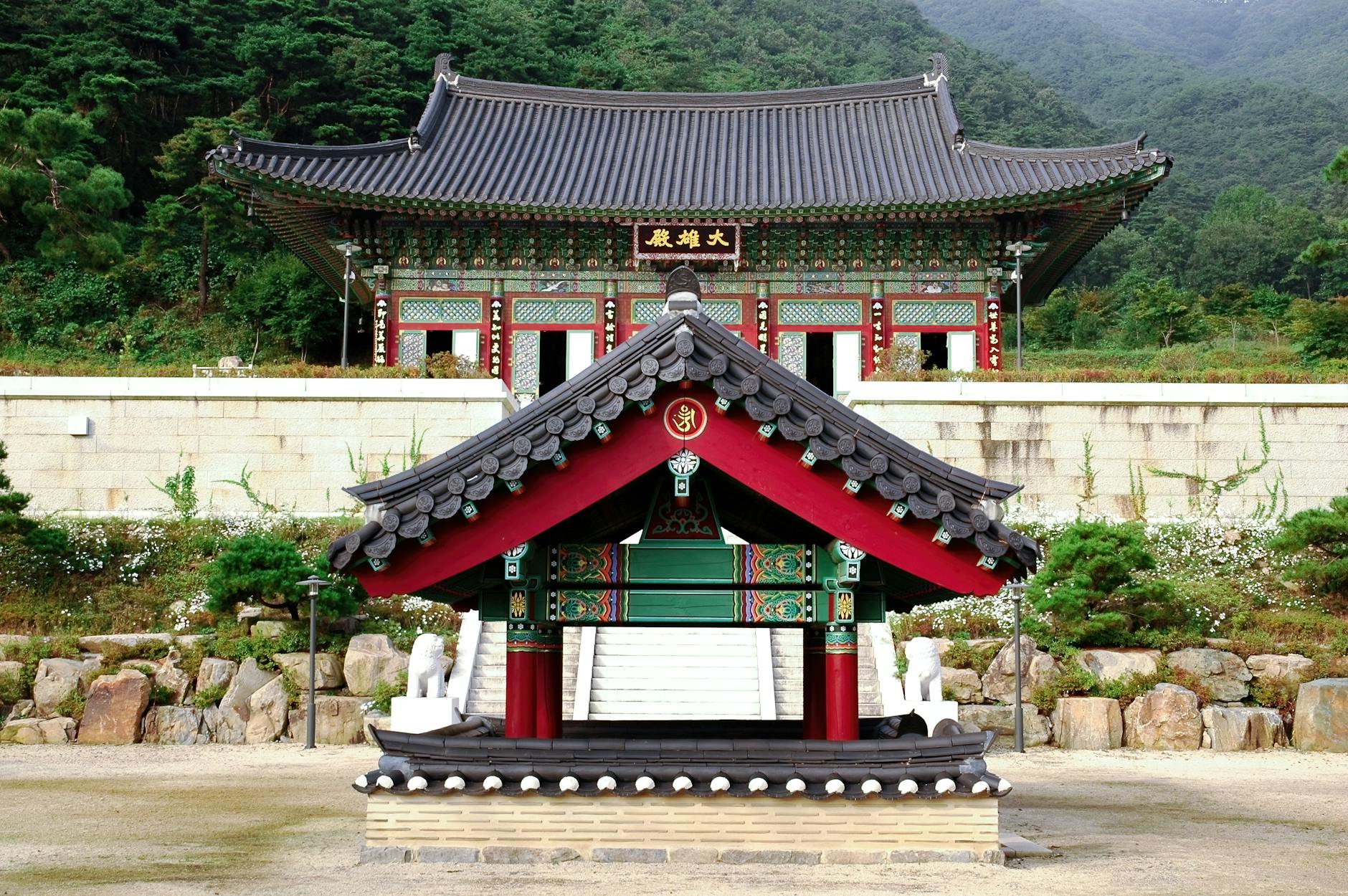
What Makes Korea Worth Visiting in 2026?
South Korea is one of the most rewarding travel destinations in Asia in 2026, combining ancient temples, cutting-edge cities, dramatic natural landscapes, and one of the world's most exciting food cultures — all connected by fast, affordable public transit. The country is compact enough to see five distinct regions in a two-week trip, and the KTX bullet train can get you from Seoul to Busan in under 2.5 hours.
For 2026 specifically, Korea is in a sweet spot. The Korean won has held relatively weak against the US dollar (roughly ₩1,370 = $1 as of June 2026), making everything from five-star hotels to street food genuinely affordable for Western travelers. The tourism infrastructure has matured significantly since 2023: English signage is nearly universal in major cities, tap-to-pay with international credit cards works almost everywhere, and the K-ETA visa waiver for many nationalities makes entry paperwork minimal.
🗺️ Looking for guided tours here? Klook has English-speaking options — food tours and walking tours tend to sell out on weekends, so book ahead.
June is an interesting time to visit. You're at the tail end of spring's last comfortable days before the monsoon season (jangma) typically hits in late June or early July. Expect warm temperatures (25–30°C / 77–86°F), rising humidity, and the possibility of heavy afternoon rain showers. The upside? Summer prices haven't peaked yet, and crowds at major sites are noticeably thinner than in cherry blossom season (April) or autumn foliage (October–November).
Best Time to Visit Korea — Quick Reference
| Season | Crowds | Weather | Notes |
|---|---|---|---|
| Spring (Mar–May) | High (peak in April) | Mild 10–22°C, cherry blossoms | Book 6–8 weeks ahead; most photogenic season |
| Summer (Jun–Aug) | Moderate to high | Hot, humid, monsoon rains 25–35°C | Best beach season; budget-friendly before August |
| Autumn (Sep–Nov) | High (peak in October) | Cool, dry, vivid foliage 8–22°C | Arguably the best weather; reserve early |
| Winter (Dec–Feb) | Low | Cold, dry, snow in mountains -5–5°C | Great for ski resorts & fewer tourists; short days |
✅ For tours and day trips around this area, Klook has a solid selection with English guides available.
Getting around Korea is remarkably easy. The KTX high-speed train network connects Seoul to Busan (2h20m, ~₩59,800 / ~$44), Gangneung (1h50m, ~₩27,600 / ~$20), and Gwangju (1h40m, ~₩46,800 / ~$34). Intercity buses fill gaps the trains don't reach. Within cities, subways and buses accept the rechargeable T-money card (₩2,500 / ~$1.80 for the card itself), and taxis are cheap — a 15-minute ride rarely exceeds ₩8,000 (~$5.80).
How Long Do You Need in Korea?
Most first-time visitors need a minimum of 7 days to see Seoul and two other regions comfortably, though 10–14 days allows a genuinely relaxed pace with time for spontaneous detours. A rushed 5-day trip limits you to Seoul and one day trip.
Here's my suggested pacing for comfort-focused travelers:
- 5 days: Seoul (3) + day trip to DMZ or Suwon (1) + Jeonju or Incheon (1)
- 7 days: Seoul (3) + Gyeongju (2) + Busan (2)
- 10 days: Seoul (3) + Gyeongju (2) + Busan (2) + Jeju Island (3)
- 14 days: All of the above + Jeonju (1) + Sokcho/Seoraksan (2)
I'd strongly recommend against cramming more than two cities into a single day. Korea's transit is fast, but check-ins, luggage handling, and just being present in a place takes time — especially when you're adjusting to jet lag and a 14-hour time difference from the US East Coast.
🎒 Still prepping your bag? Amazon has a solid selection of Korea travel essentials — the Type C/F adapter and a portable charger are the two things most people forget.
1. Seoul — The City That Never Runs Out of Layers
Seoul is South Korea's sprawling capital of nearly 10 million people, where 600-year-old palaces sit beneath glass skyscrapers and a single subway ride connects ancient royal tombs to the neon chaos of Gangnam. Plan at least 3 full days to scratch the surface — 4–5 if you want to breathe.
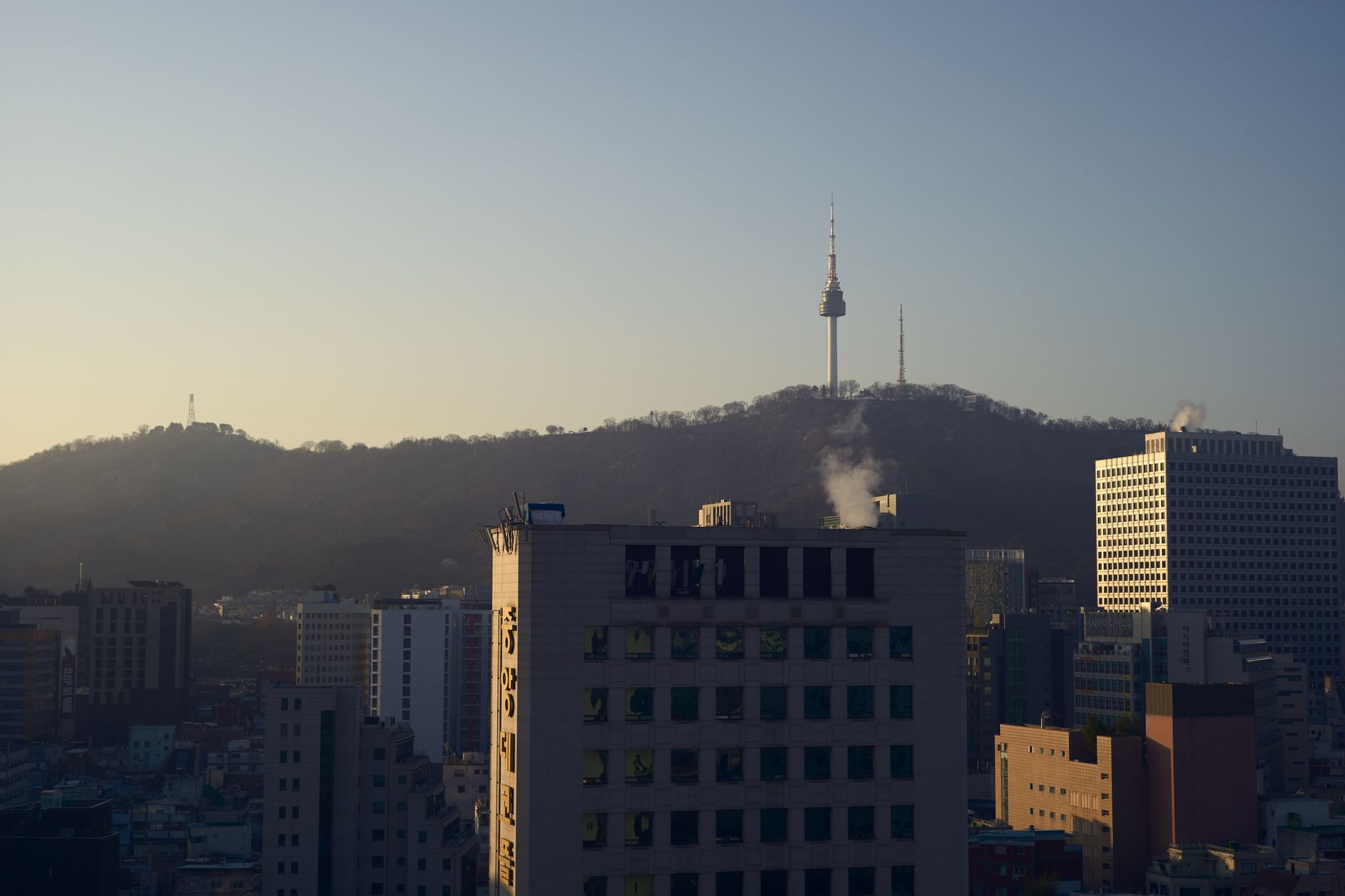
I've been to Seoul six times now, and I still find new neighborhoods that surprise me. But let me be honest about what catches first-timers off guard: the sheer scale. Seoul is massive, and trying to "see it all" in two days will leave you exhausted and frustrated. Pick three or four areas per day, max.
Must-visit spots:
Gyeongbokgung Palace
Gyeongbokgung Palace is Seoul's largest and most iconic royal palace, originally built in 1395 during the Joseon dynasty. Admission is ₩3,000 (~$2.20) as of 2026, and it's free if you wear hanbok (traditional Korean clothing).
📍 Address: 161 Sajik-ro, Jongno-gu, Seoul
📍 View on Google Maps
🚇 Getting there: Line 3, Gyeongbokgung Station Exit 5 (3 min walk)
⏱️ Time needed: 2–3 hours
💴 Admission: ₩3,000 (~$2.20) / Free in hanbok
The Changing of the Guard ceremony happens at the Gwanghwamun Gate at 10:00am and 2:00pm daily (except Tuesdays, when the palace is closed). Arrive at 9:30am on a Wednesday or Thursday morning — the crowds are half what they are on weekends, and the morning light hitting the painted eaves is genuinely beautiful.
🇰🇷 Useful Korean — At Cultural Sites
- 안녕하세요 (an-nyeong-ha-se-yo) — "Hello / Good day"
- 사진 찍어도 돼요? (sa-jin jji-geo-do dwae-yo?) — "May I take a photo?"
- 죄송합니다 (joe-song-ham-ni-da) — "I'm sorry / Excuse me"
- 화장실 어디예요? (hwa-jang-shil eo-di-ye-yo?) — "Where is the restroom?"
Bukchon Hanok Village
Bukchon is a residential neighborhood of traditional Korean hanok houses nestled between Gyeongbokgung and Changdeokgung palaces. It's free to walk through, but remember — people actually live here.
📍 Address: Bukchon-ro, Jongno-gu, Seoul
📍 View on Google Maps
🚇 Getting there: Line 3, Anguk Station Exit 2 (5 min walk)
⏱️ Time needed: 1–2 hours
💴 Admission: Free
Ikseon-dong & Insadong
For a coffee break or a sit-down lunch between palaces, Ikseon-dong is my favorite spot in Seoul. This tiny alley neighborhood of renovated hanok buildings is packed with independent cafés, vintage shops, and small restaurants. It's the kind of place where you can sit with an iced Americano (₩5,500 / ~$4) in a courtyard and just watch the world go by.
Insadong, a short walk south, is the traditional arts and crafts street — good for souvenirs, Korean tea houses, and galleries.
Namsan Tower & Seoul City Views
N Seoul Tower sits atop Namsan Mountain and offers panoramic 360° views of the city. You can take the Namsan Cable Car (₩14,000 round trip / ~$10) or walk up the trail (about 30–40 minutes, steep in sections).
📍 Address: 105 Namsangongwon-gil, Yongsan-gu, Seoul
📍 View on Google Maps
⏱️ Time needed: 1.5–2 hours
💴 Observation deck: ₩16,000 (~$11.70)
The Honest Downside — Seoul
Seoul's subway system is world-class, but some stations require walking 10–15 minutes underground through transfer corridors. If you have mobility concerns, check transfer distances on the Kakao Metro app beforehand. Also: the humidity in late June can be punishing. Pack a small towel and stay hydrated.
🏡 If you're basing yourself here for a few nights, Agoda tends to have the best rates for Korean guesthouses and business hotels — filter by 'free cancellation' to keep flexibility.
2. Busan — Korea's Best Coastal City
Busan is South Korea's second-largest city and its premier coastal destination, with dramatic cliffside temples, sprawling seafood markets, and beaches backed by skyscrapers. It's 2 hours 20 minutes from Seoul by KTX (₩59,800 / ~$44 one way as of 2026).

I'll admit — I went to Busan the first time expecting a smaller, beach-ier Seoul. What I got was a completely different personality. Busan feels grittier, louder, and more generous than the capital. The accents are different, the seafood is better, and the energy at Jagalchi Market at 6am — with vendors shouting over tanks of live octopus and the salt-and-seaweed smell hitting you before you even walk inside — is unlike anything in Seoul.
Top spots in Busan:
Gamcheon Culture Village
Gamcheon Culture Village is a colorful hillside neighborhood often called the "Machu Picchu of Busan," originally built as a refugee settlement during the Korean War. Winding alleys connect art installations, murals, and tiny galleries.
📍 Address: 203 Gamnae 2-ro, Saha-gu, Busan
📍 View on Google Maps
🚇 Getting there: Line 1, Toseong Station Exit 6, then bus 1-1, 2, or 2-2 (10 min)
⏱️ Time needed: 2–3 hours
💴 Admission: Free (map stamp booklet ₩2,000 / ~$1.50)
Be aware: this village is steep. Wear comfortable shoes and take your time. There are several cafés along the route where you can sit, catch your breath, and look out over the rooftops toward the harbor.
Haedong Yonggungsa Temple
Haedong Yonggungsa is one of the few Korean temples built directly on the ocean shoreline, perched on a cliff edge with crashing waves below. It's spectacular and worth the trip to Busan's northeast coast alone.
📍 Address: 86 Yonggung-gil, Gijang-gun, Busan
📍 View on Google Maps
⏱️ Time needed: 1–1.5 hours
💴 Admission: Free
Jagalchi Fish Market & BIFF Square
Korea's largest seafood market. You pick your fish alive from the ground floor vendors, then carry it upstairs to a restaurant where they prepare it as sashimi (회, hoe). A full sashimi platter for two with sides runs ₩40,000–60,000 (~$29–44).
🇰🇷 Useful Korean — Ordering Food
- 이거 주세요 (i-geo ju-se-yo) — "This one, please" (point at the fish)
- 얼마예요? (eol-ma-ye-yo?) — "How much is it?"
- 덜 맵게 해 주세요 (deol maep-ge hae ju-se-yo) — "Less spicy, please"
- 맛있다! (ma-sit-da!) — "This is delicious!"
- 물 주세요 (mul ju-se-yo) — "Water, please"
Haeundae Beach
Busan's most famous beach. In June 2026, it's warm enough to walk the promenade and dip your feet in the sea, though full beach season with lifeguards doesn't typically start until early July. The Haeundae Blueline Park sky capsule (₩10,000 / ~$7.30) runs along the coast — book online in advance, as walk-up lines can be 60+ minutes on weekends.
3. Jeju Island — Korea's Natural Wonder
Jeju Island is a UNESCO-designated volcanic island 80 kilometers south of mainland Korea, famous for its unique lava tube caves, dramatic coastline, and Hallasan — South Korea's tallest mountain at 1,950 meters. Flights from Seoul Gimpo take about 70 minutes and cost ₩60,000–120,000 (~$44–88) round trip as of 2026.
I was skeptical about Jeju before my first visit. "Korea's Hawaii" sounded like marketing hype. But standing on the rim of Seongsan Ilchulbong (Sunrise Peak) at dawn, watching the light spill across the crater while the wind carried the faint sulfur smell of volcanic rock, I got it. Jeju doesn't feel like the rest of Korea — it has its own dialect, its own mythology, and a wildness that the mainland cities can't match.
📍 Key spots: Seongsan Ilchulbong (₩5,000 / ~$3.65 entry), Manjanggul Lava Tube (₩4,000 / ~$2.90), Hallasan National Park (free), Jeju Olle Walking Trails (free)
⏱️ Time needed: 3–4 days minimum
Jeju's honest downside: it's heavily touristed by domestic Korean visitors. Hallim Park, Teddy Bear Museum, and several "theme" attractions feel like tourist traps. Skip them and spend that time on the Olle trails or lesser-known beaches like Hyeopjae.
4. Gyeongju — Korea's Open-Air Museum
Gyeongju is the ancient capital of the Silla Kingdom (57 BC – 935 AD) and contains the densest concentration of historical sites in Korea, including royal tombs, temple ruins, and the UNESCO-listed Bulguksa Temple. It's 2 hours from Seoul by KTX (₩44,400 / ~$32).
This city moves at a different speed. The grass-covered burial mounds of Tumuli Park rise like green hills in the middle of downtown, and you can rent a bicycle (₩10,000/day / ~$7.30) and ride between temples, ruins, and lotus ponds without ever needing a car or subway.
📍 Bulguksa Temple: 385 Bulguk-ro, Gyeongju | Admission ₩6,000 (~$4.40)
📍 Seokguram Grotto: Shuttle bus from Bulguksa, 15 min | Admission ₩6,000 (~$4.40)
📍 Tumuli Park (Daereungwon): Central Gyeongju | Admission ₩3,000 (~$2.20)
⏱️ Time needed: 2 full days

Is Jeonju Worth Visiting in 2026?
Yes — Jeonju is absolutely worth visiting in 2026, especially for food lovers and anyone interested in traditional Korean culture. It's the birthplace of bibimbap and home to Korea's best-preserved hanok village, with over 800 traditional houses converted into guesthouses, restaurants, and craft shops.
Jeonju is 1 hour 40 minutes from Seoul by KTX (₩34,600 / ~$25 as of 2026). I'd recommend an overnight stay to fully enjoy the village at night, when day-trippers leave and the lantern-lit alleys feel genuinely magical.
📍 Jeonju Hanok Village: Central Jeonju, free to walk
📍 Gyeonggijeon Shrine: ₩3,000 (~$2.20), houses the portrait of King Taejo
⏱️ Time needed: 1–2 days
💴 Famous Jeonju bibimbap lunch: ₩10,000–15,000 (~$7.30–11)
The honest downside: Jeonju Hanok Village on a weekend is packed. The main street becomes a slow-moving river of selfie sticks. Visit midweek if at all possible, and explore the smaller side alleys — that's where the best restaurants hide.
6. Sokcho & Seoraksan — Korea's Most Dramatic Mountains
Seoraksan National Park contains some of the most dramatic mountain scenery in South Korea, with jagged granite peaks, waterfalls, and ancient hermitages. The gateway town of Sokcho, on the northeast coast, adds a fresh seafood scene and a surprisingly charming boardwalk.
Seoraksan is accessible by intercity bus from Seoul's Dong Seoul Terminal (2.5 hours, ₩18,700 / ~$13.60). The park entrance fee is ₩3,500 (~$2.55) as of 2026.
📍 Seoraksan National Park: Seoraksan-ro, Sokcho-si, Gangwon-do
⏱️ Time needed: 2 days (1 hiking day + Sokcho)
💴 Cable car to Gwongeumseong Fortress: ₩13,000 round trip (~$9.50)
For travelers who want mountain views without a strenuous hike, the Seoraksan Cable Car takes you to Gwongeumseong Fortress lookout in 5 minutes. The walk from the cable car station to the viewpoint is about 10 minutes on rocky terrain — doable but bring sturdy shoes.
Sokcho's Jungang Market is one of my favorite markets in Korea. The specialty is dak gangjeong (sweet crispy fried chicken) — Manseoktalk is the famous stall, but the line wraps around the block. The stall three doors down, unmarked, makes an equally good version with zero wait.
What Is the DMZ Known For?
The DMZ (Demilitarized Zone) is the heavily fortified border between North and South Korea, stretching 250 kilometers across the peninsula and serving as one of the last Cold War frontiers on Earth. It's located just 50 kilometers north of Seoul and can only be visited through authorized tours.
I'll be honest: the DMZ is not "fun." It's sobering, strange, and profoundly moving. Standing in the blue Joint Security Area buildings where North Korean and UN soldiers once stood face-to-face, the weight of history is almost physical — the cold concrete underfoot, the eerie silence broken only by wind.
As of June 2026, JSA (Joint Security Area) tours have resumed full operations. Tours must be booked 3–5 days in advance through authorized operators.
📍 Tour departure: Most tours leave from central Seoul (Gwanghwamun or Myeongdong area)
⏱️ Time needed: Full day (8am–5pm typically)
💴 Tour cost: ₩65,000–130,000 (~$47–95) depending on operator and inclusions
8. Gangneung — Coffee, Coast, and Culture
Gangneung is a coastal city on Korea's east coast known for its thriving coffee culture, Gyeongpo Beach, and the traditional Ojukheon House. The KTX from Seoul takes just 1 hour 50 minutes (₩27,600 / ~$20) since the line was extended for the 2018 Winter Olympics.
What surprised me most about Gangneung was the coffee. This city has the highest concentration of independent roasters per capita in Korea. Terarosa Coffee, the pioneer, has a flagship café in a converted warehouse that's worth the trip alone. Their pour-over costs ₩7,000 (~$5.10).
📍 Gyeongpo Beach: Free, 15 min taxi from Gangneung Station
📍 Ojukheon House: ₩3,000 (~$2.20), historic home of Korean scholar Yulgok
⏱️ Time needed: 1–2 days
🇰🇷 Useful Korean — At Cafés & Shopping
- 아이스 아메리카노 주세요 (a-i-seu a-me-ri-ka-no ju-se-yo) — "Iced Americano, please"
- 카드 돼요? (ka-deu dwae-yo?) — "Do you accept card?"
- 포장해 주세요 (po-jang-hae ju-se-yo) — "To go, please"
- 감사합니다 (gam-sa-ham-ni-da) — "Thank you (formal)"
9. Andong — Korea's Confucian Heartland
Andong is the spiritual center of Korean Confucianism and home to Hahoe Folk Village, a UNESCO World Heritage Site where descendants of the Ryu clan have lived for over 600 years. It's 2 hours from Seoul by bus (₩21,000 / ~$15.30) or reachable via KTX to Andong Station.
Hahoe Village feels like stepping into a time capsule. The thatched-roof and tile-roof houses are not reproductions — they're real homes where families live, cook, and hang laundry. The smell of woodsmoke and fermenting doenjang (soybean paste) drifts through the alley paths.
📍 Hahoe Folk Village: 206 Hahoe-ri, Pungcheon-myeon, Andong | ₩5,000 (~$3.65)
⏱️ Time needed: 1 full day
The Hahoe Mask Dance performance (free with village entry) happens seasonally — check the schedule at the village entrance. It's a traditional satirical performance that mocks the aristocracy, and even without understanding Korean, the physical comedy translates.
10. Yeosu — Korea's Underrated Southern Coast
Yeosu is a port city on Korea's southern coast famous for its night sea views, cable car over the ocean, and exceptionally fresh seafood. It's 2 hours 40 minutes from Seoul by KTX (₩51,900 / ~$37.90).
This is my "hidden gem" pick on this list. Most foreign travelers skip Yeosu entirely, but Koreans flock here for the romantic waterfront promenade, the night-lit Dolsan Bridge, and some of the best gat-kimchi (mustard leaf kimchi) in the country.
📍 Yeosu Maritime Cable Car: ₩15,000 (~$10.95) one way | best at sunset
📍 Odongdo Island: Free, connected by causeway, beautiful camellia forest
⏱️ Time needed: 1–2 days
11. Suwon — The Perfect Seoul Day Trip
Suwon Hwaseong Fortress is a UNESCO World Heritage Site and one of Korea's best-preserved 18th-century fortifications, featuring a 5.7km wall circuit with guard towers, gates, and archery ranges. It's just 30 minutes from Seoul by subway (Line 1 or KTX, ~₩1,450 / ~$1.05 by subway).
This is my top recommendation for travelers short on time who want to see something historic outside Seoul without an overnight stay. You can walk a portion of the fortress wall in about 2 hours (the full circuit takes 3–4 hours) and still be back in Seoul for dinner.
📍 Suwon Hwaseong Fortress: Jangan-dong, Paldal-gu, Suwon | ₩1,000 (~$0.73)
🚇 Getting there: Line 1, Suwon Station, then 10 min bus or taxi
⏱️ Time needed: Half day (3–5 hours)
After the fortress, walk to Suwon Chicken Street (통닭거리, tongdak-geori) near Paldalmun Gate for some of Korea's best fried chicken. A whole bird with pickled radish and beer runs about ₩20,000 (~$14.60) for two people.
Real Cost Breakdown — 2026 Korea Trip
Here's what a realistic 7-day Korea trip (Seoul + Busan + Gyeongju) actually costs per person as of June 2026:
| Item | Detail | KRW | USD (approx) |
|---|---|---|---|
| Transport | KTX Seoul→Gyeongju→Busan + return | ₩135,000 | ~$99 |
| Accommodation | 6 nights mid-range hotel | ₩540,000 | ~$394 |
| Food | Daily average ₩40,000 × 7 days | ₩280,000 | ~$204 |
| Entrance fees | Palaces, temples, museums | ₩35,000 | ~$26 |
| Local transport | T-money, taxis, buses | ₩70,000 | ~$51 |
| Misc | SIM card, souvenirs, coffee | ₩80,000 | ~$58 |
| Total | 7-day per person | ₩1,140,000 | ~$832 |
Budget Tier Comparison (Per Day, Per Person)
| Comfortable | Premium | Splurge | |
|---|---|---|---|
| Per day | ₩120K–180K (~$88–131) | ₩250K–400K (~$182–292) | ₩600K+ (~$438+) |
| Stay | Clean 3-star hotel / quality guesthouse | 4-star hotel / boutique hanok stay | 5-star / luxury resort |
| Food | Sit-down restaurants + market food | Curated dining + traditional course meals | Fine dining + private BBQ |
| Transport | Subway + occasional taxi | KTX standard + taxi | KTX first class + private transfer |
Practical Tips & Warnings for Korea in 2026
5 Things I Wish I'd Known Before My First Trip
1. Get a T-money card immediately. Available at any convenience store (GS25, CU, 7-Eleven) near your arrival point. Load it with ₩30,000–50,000 to start. It works on all subways, buses, and even some taxis and vending machines nationwide.
2. Download Naver Map, not Google Maps. Google Maps works poorly in Korea — directions are often wrong, and transit info is incomplete. Naver Map (available in English) is the local standard and actually reliable for bus routes, walking times, and restaurant locations.
3. Tipping doesn't exist. Don't leave money on the table — it will confuse or even offend the staff. Service is included. This applies everywhere: restaurants, taxis, hotels, hair salons.
4. Many restaurants are cashless. International Visa and Mastercard are widely accepted in 2026 Korea. However, a few traditional markets and very small eateries still prefer cash or Korean-only payment apps. Carry ₩50,000–100,000 in cash as backup.
5. Shoes off indoors — always. When entering a Korean home, many traditional restaurants (look for raised floors with cushion seating), and some guesthouses, remove your shoes at the door. Wearing socks without holes suddenly becomes important.
Cultural etiquette notes:
- Receive things (especially from elders) with both hands or your right hand supported by your left
- Don't pour your own drink in group settings — pour for others, and they'll pour for you
- Bowing slightly (a nod, really) when greeting or thanking someone goes a long way
- Avoid the number 4 in gifts (it sounds like the word for death in Korean)
- Don't blow your nose loudly at the table — step away if needed
The Honest Downside — Korea Travel in General
Korea isn't perfect. Language barriers outside Seoul and Busan are real — in smaller cities like Andong or Yeosu, English-speaking staff are rare. Translation apps help, but expect moments of genuine confusion. Summer humidity is brutal — late June through August means 80–90% humidity that will flatten you by 2pm if you're not used to it. Build in afternoon rest time. And weekend crowds at popular destinations (Jeonju Hanok Village, Gamcheon Culture Village, Bukchon) can transform charming spots into frustrating bottlenecks. Always prefer weekday visits.
✅ Trip Checklist — Korea 2026
- [ ] Apply for K-ETA (or check if your nationality is visa-exempt in 2026)
- [ ] Book KTX tickets 2–4 weeks in advance for discounted fares
- [ ] Download Naver Map and Papago translation app
- [ ] Buy T-money card upon arrival (any convenience store)
- [ ] Pack layers — even in June, air-conditioned buildings are aggressively cold
- [ ] Bring a universal power adapter (Korea uses Type C/F, 220V)
- [ ] Reserve DMZ/JSA tour 3–5 days ahead (passport required)
- [ ] Carry cash backup ₩50,000–100,000 for small vendors and markets
- [ ] Pack comfortable walking shoes — you'll average 15,000–20,000 steps/day
- [ ] Download your accommodation confirmations offline (subway has no signal in some sections)
FAQ — Best Places to Visit in Korea 2026
Q: Is Korea safe for foreign travelers in 2026?
A: Yes — South Korea is consistently ranked among the safest countries in the world for travelers. Violent crime against tourists is extremely rare. The biggest practical concerns are petty theft in crowded markets (rare but possible) and traffic scooters on sidewalks in Seoul. Use normal urban awareness and you'll be fine.
Q: Do I need to speak Korean to travel in Korea?
A: No, but a few phrases go a long way. Seoul and Busan have extensive English signage. Smaller cities are trickier — download the Papago app (Naver's translation tool, far better than Google Translate for Korean) and save key phrases. Most Koreans under 40 speak some English.
Q: How much does a 7-day Korea trip cost in 2026?
A: A comfortable 7-day trip costs roughly ₩1,100,000–1,400,000 (~$800–1,020) per person including transport, 3-star hotels, sit-down meals, and entrance fees. Flights from the US are additional — expect $800–1,200 round trip from West Coast cities.
Q: What's the best time to visit Korea for first-timers?
A: Autumn (late September through mid-November) offers the best combination of comfortable weather, stunning foliage, and manageable crowds outside peak holiday weekends. Spring (mid-April to mid-May) is a close second for cherry blossoms.
Q: Can I use Uber or Lyft in Korea?
A: Uber exists in Korea but operates differently — it connects you to regular licensed taxis rather than private drivers. The more common app is Kakao T (download it and set up an account before arrival). Taxis are cheap and plentiful; flagging one down on the street is perfectly normal.
🎵 If you want the atmosphere before you arrive, GrooveSeoul Studio curates drive and scenic playlists from Seoul, Busan, and beyond.
Q: Is Korea suitable for travelers with mobility issues?
A: Major cities are improving but not fully accessible. Seoul's newer subway stations have elevators, but older stations may only have escalators or stairs. Palaces and temples often have gravel paths and steps. Jeju and mountain destinations require significant walking. Contact specific attractions ahead of time to ask about accessibility.
Q: Should I get a Korean SIM card or use Wi-Fi?
A: Get a prepaid SIM or eSIM — reliable data is essential for Naver Map, Papago, and Kakao T. eSIMs from providers like Airalo or KT Roaming start at ₩15,000–25,000 (~$11–18) for 7 days of data. Pick up physical SIMs at Incheon Airport arrivals (KT, SK, or LG booths).
Related Posts
📄 Plan Your Korea Trip with AI in 2026: A Step-by-Step Guide
📄 7 Best Korea Summer Travel Tips for Beating the Heat 2026
📄 All of Us Are Dead Filming Locations in Hwasun 2026: My Honest Visit
이미지 출처: Photo by Jhany Blue on Pexels | Photo by kazuyoshi sakamoto on Pexels | Photo by TimePRO TV on Pexels | Photo by CK Seng on Pexels


0 Comments