
Cover: AI-generated illustration, not an actual location photograph.
Introduction
Honestly, when the typhoon alert buzzed on my phone three days into our Jeju trip in 2026, my first instinct was to cancel the rest of the itinerary and book the earliest flight home. My husband was calmer about it. "We already paid for the hotel," he said, "let's just figure out what to do in Jeju during a typhoon warning instead of panicking." That one sentence changed the whole trip.
I'll admit I was skeptical that a storm day in Jeju could be anything other than a wasted day stuck in a hotel room watching a Korean weather broadcast we couldn't fully follow. We'd planned the week around Hallasan trail time and coastal drives, not indoor backup plans. But by the second afternoon of the warning, we'd found a rhythm: a nearly empty museum, a jjimjilbang visit that ended up being the highlight of the trip, and a seafood lunch where the windows rattled while we ate.
🎵 If you want the atmosphere before you arrive, GrooveSeoul Studio curates drive and scenic playlists from Seoul, Busan, and beyond.
💡 This post is especially useful if you're a couple in your 40s to 60s with a Jeju trip already booked for typhoon season (roughly June through September, peaking in August), who want a real plan for the day a warning hits, not just generic "stay safe" advice.
This isn't about whether to cancel a whole Korea trip over a typhoon watch three weeks out. It's about the narrower, more common situation: you're already on Jeju Island, a typhoon warning has been issued for part of your stay, and you need to know what's actually open, what's genuinely worth doing, and when the smarter move is to change your plans instead of forcing the original one.
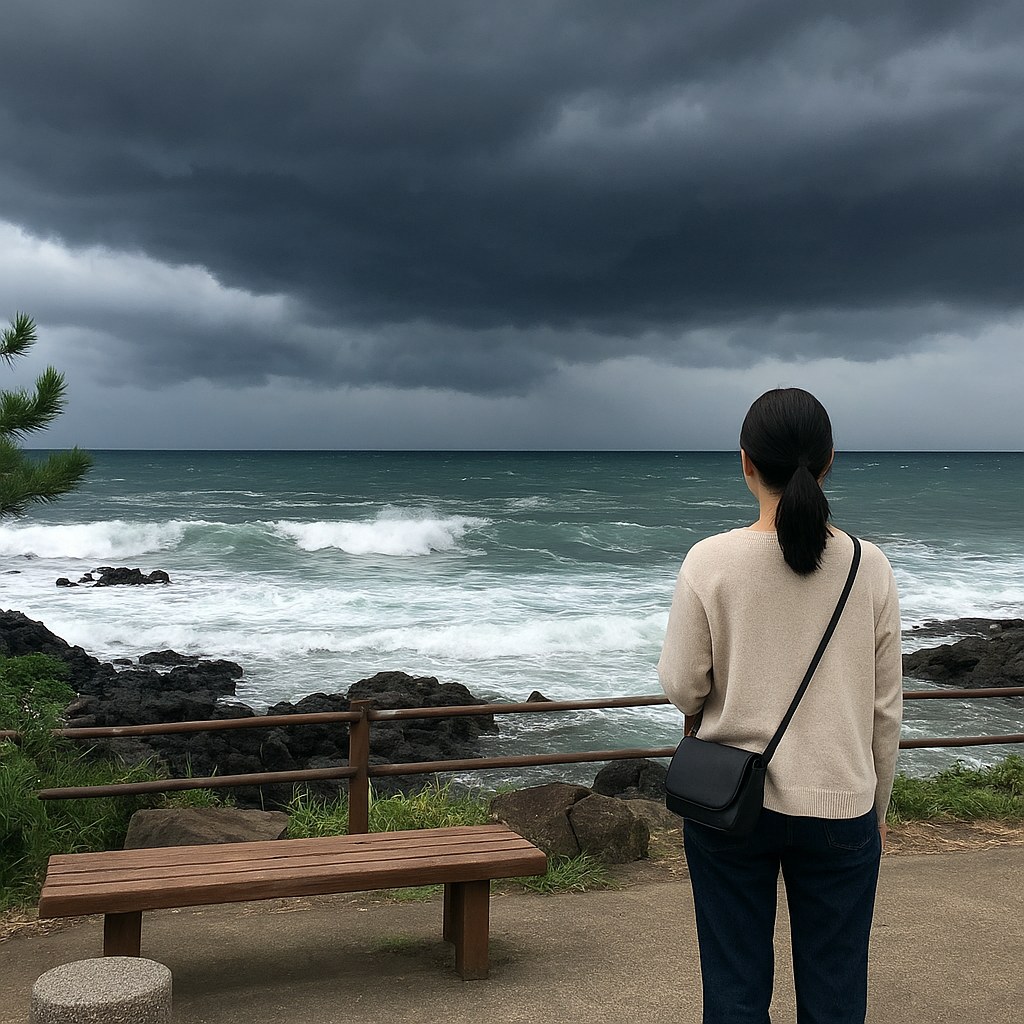
Should You Stay in Jeju or Cut Your Trip Short? The Key Decision
A typhoon warning in Jeju does not automatically ruin a trip. Most warnings last 24 to 48 hours, and flights and ferries typically resume within a day of the warning being lifted. The right call depends on how many of your remaining days the warning actually overlaps, not on the warning itself.
| Option | Pros | Cons | Best for |
|---|---|---|---|
| Stay and switch to an indoor plan | Keeps the trip intact, often becomes a memorable day, no rebooking fees | 1 to 2 planned activities get scrapped, some tours cancel with only hours' notice | Trips of 4+ days where only 1 to 2 days overlap the warning |
| Try to fly out early | Avoids the disruption entirely | Airports get chaotic in the final hours before a warning, same-day change fees, no guarantee an earlier flight escapes it too | Trips already ending within the warning window, or travelers with a tight connection afterward |
| Extend your stay and wait it out | No rushed decisions, first flights out once the airport reopens | Extra hotel nights, possible missed connections elsewhere | Retirees and empty-nesters with a flexible return date |
🗺️ Looking for guided tours here? Klook has English-speaking options — food tours and walking tours tend to sell out on weekends, so book ahead.
For a couple in their 50s on a week-long trip with no fixed connection right after, staying and adapting is usually the better call. The indoor options below hold up well, and forcing an early flight rarely saves money once change fees are added in. If you're on a tight 3-day trip or have a connecting international flight booked for the day after the warning, trying to move up your departure is the more defensible choice, even with the fee.
💡 You can book tickets for this in advance on Klook — often cheaper than buying at the door, and you skip the queue.
⚠️ Heads Up: Don't wait until the warning is active to decide. Airlines and ferry operators in Korea often waive change fees only if you rebook before the storm officially closes the route. Once it's cancelled, you're stuck in the refund queue instead of the rebooking line.
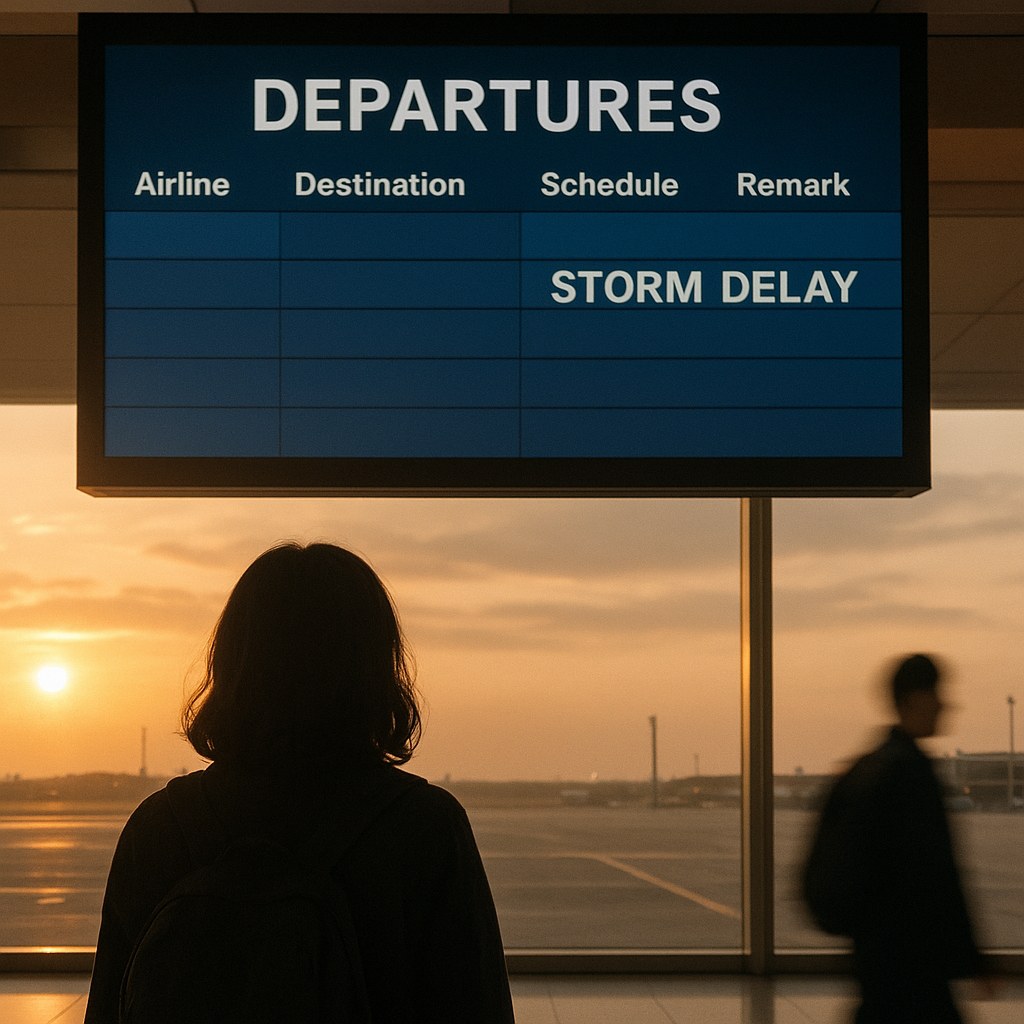
Real Cost Breakdown
A typhoon day in Jeju costs roughly the same as a normal comfortable travel day, since indoor museums, cafes, and spas replace outdoor tours rather than adding expense on top of them. Budget an extra ₩30,000 to ₩80,000 (about $22 to $58) per person only if you end up changing a flight or ferry booking.
| Item | Detail | KRW | USD (approx) |
|---|---|---|---|
| Transport | Taxi instead of driving in high wind | ₩15,000 | ~$11 |
| Indoor attraction | Museum or aquarium admission | ₩12,000-15,000 | ~$9-11 |
| Jjimjilbang | Half-day sauna and rest area pass | ₩15,000 | ~$11 |
| Meal | Sit-down seafood lunch, per person | ₩25,000 | ~$18 |
| Flight/ferry change fee | If you rebook ahead of the storm | ₩30,000-80,000 | ~$22-58 |
| Extra hotel night | Mid-range hotel, if extending | ₩120,000 | ~$87 |
Budget Tier (Comfortable / Premium / Splurge)
| Comfortable | Premium | Splurge | |
|---|---|---|---|
| Per day | ₩150K-220K (~$109-160) | ₩250K-400K (~$182-291) | ₩600K+ (~$436+) |
| Stay | 3-star business hotel | 4-star resort | 5-star oceanfront resort |
| Storm-day backup | Museum + cafe | Museum + spa + nice dinner | Private driver + hotel spa day + fine dining |
⚠️ These figures are 2026 estimates based on typical Jeju pricing, not a specific property's current rate. Confirm exact prices with the venue or your hotel before you go, they shift with season and fuel surcharges.
📚 For deeper planning, there are some solid Korea travel guides on Amazon — Lonely Planet Korea is the standard, but the Time Out Seoul guide is better for food and nightlife.
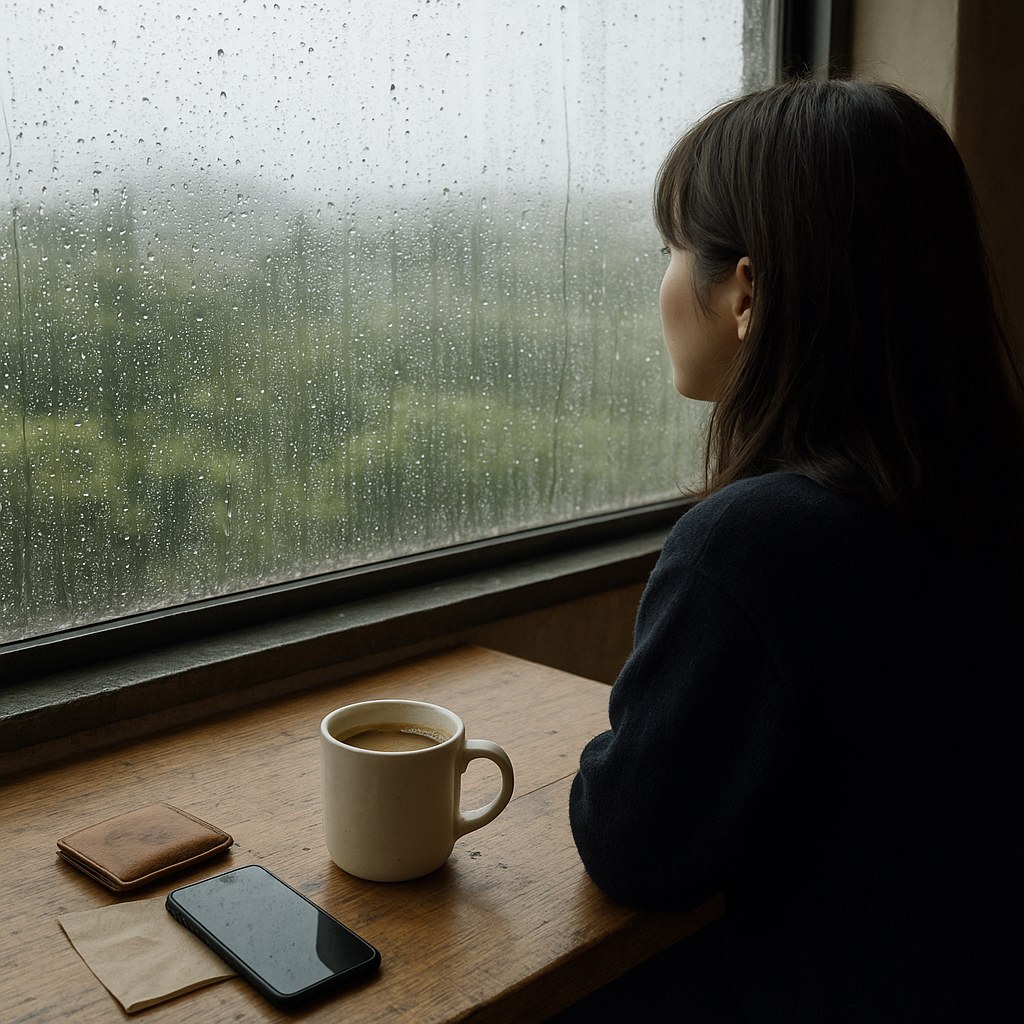
Overview
Jeju Island sits off Korea's southern coast and is the country's most typhoon-exposed region, with most storms arriving between June and September and peaking in August. Warnings from the Korea Meteorological Administration (KMA) can appear with as little as one to two days' notice, so checking kma.go.kr or the Jeju provincial disaster alert app before finalizing outdoor plans is worth the five minutes it takes.
Getting to Jeju from Seoul is a roughly one-hour flight out of Gimpo or Incheon, running about ₩50,000-150,000 (~$36-109) one way depending on season and how far ahead you book. During typhoon season, booking a flexible or refundable fare costs a bit more up front but matters far more than usual.
Is Jeju Worth Visiting During Typhoon Season?
Yes, if your trip is 4 days or longer and you build in at least one flexible day. Jeju in typhoon season means lower hotel rates, thinner crowds at major sites, and a real chance of losing one day to indoor plans, a trade most comfort-focused travelers find worth it.
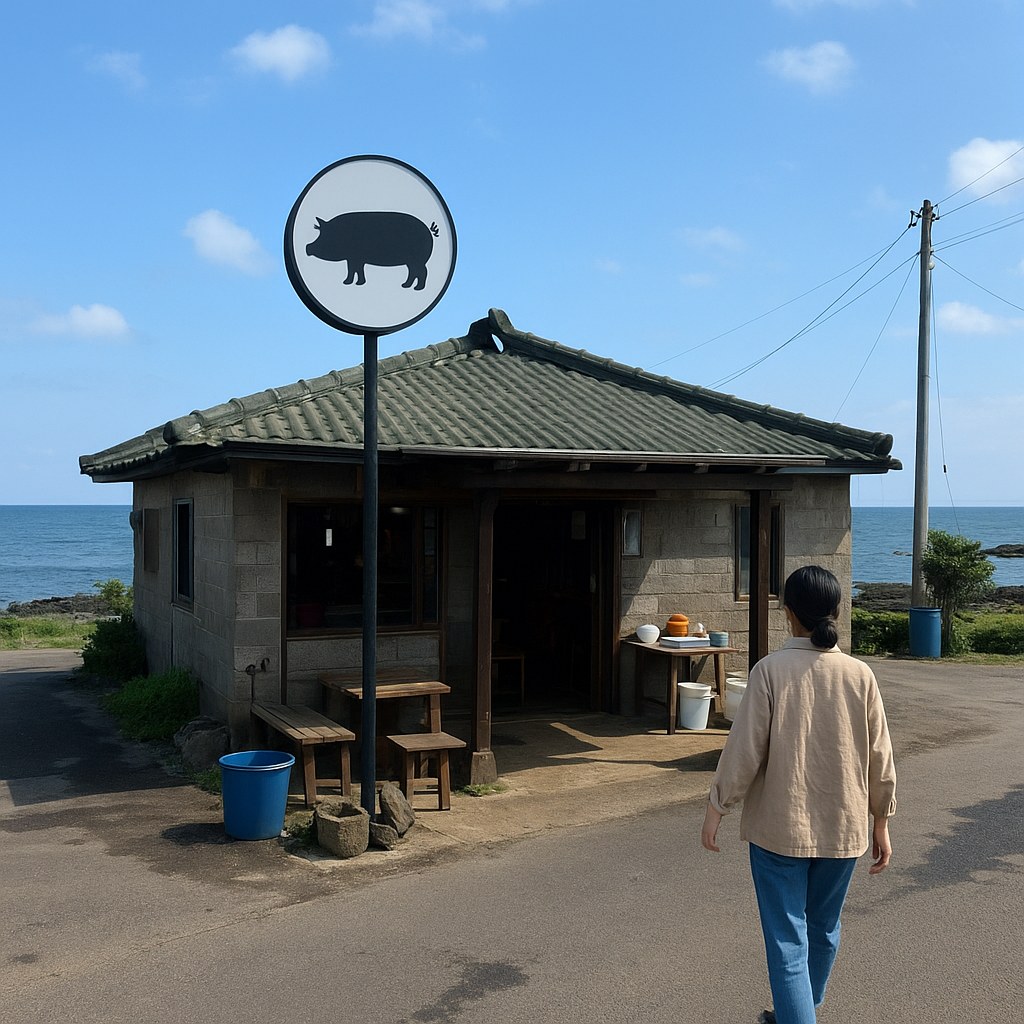
Best Time to Visit Jeju
| Season | Crowds | Weather | Notes |
|---|---|---|---|
| Spring (Apr-May) | Moderate | Mild, occasional rain | Cherry blossoms, low typhoon risk |
| Summer (Jun-Aug) | Heavy | Hot, humid, peak typhoon season | Highest chance a warning disrupts plans |
| Fall (Sep-Oct) | Moderate | Warm, late-season typhoons still possible | Better value once August crowds thin out |
| Winter (Nov-Feb) | Light | Cool and windy, typhoons rare | Off-season rates, some attractions close early |
🇰🇷 Useful Korean: Getting Around
- 여기 가 주세요 (yeo-gi ga ju-se-yo): "Please take me here" (show the map on your phone)
- 버스 몇 번이에요? (beo-seu myeot beon-i-e-yo?): "Which bus number is it?"
- 천천히 말해 주세요 (cheon-cheon-hi mal-hae ju-se-yo): "Please speak slowly"
- 감사합니다 (gam-sa-ham-ni-da): "Thank you"
Itinerary / What To Do
Here's what actually filled our storm days, roughly in order of how far you'll want to travel from your hotel as the wind picks up.
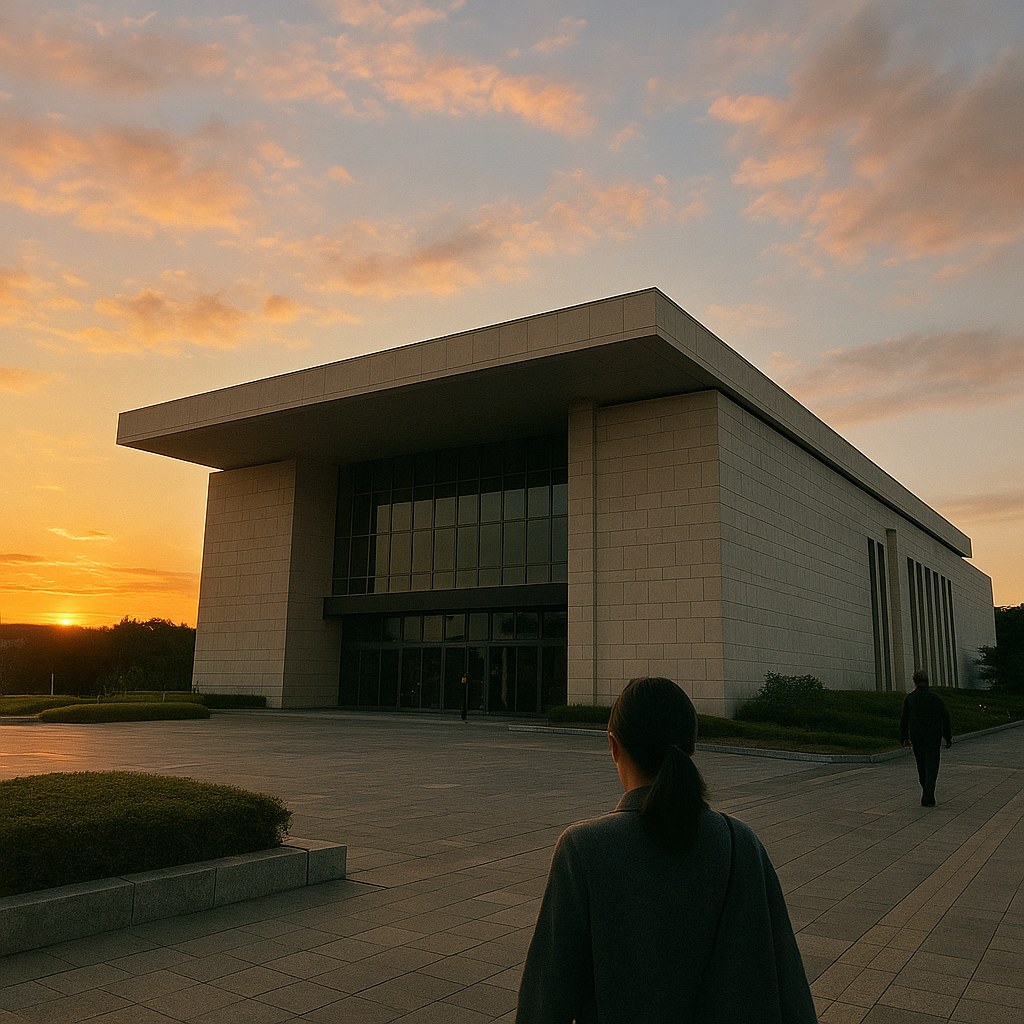
1. Start with a museum crawl in Jeju City. The Jeju National Museum covers the island's volcanic and Tamna-kingdom history in air-conditioned, mostly indoor galleries.
📍 Address: Jeju City, near the Jeju Folk Village area (confirm exact address on Google Maps before you go)
📍 View on Google Maps
⏱️ Time needed: 1.5-2 hours
💴 Admission: Free general admission as of 2026, confirm before visiting
🏨 For hotels in this area, I usually check Agoda first — Korean accommodation prices are often 15–20% lower there than on other platforms, especially for mid-range stays.
2. Book a half-day at a jjimjilbang. Korean sauna and bathhouse complexes are indoors, heated, and genuinely relaxing when the sky outside is grey. This was, unexpectedly, the best afternoon of our whole trip.

3. Visit an aquarium. Aquaplanet Jeju, near Seongsan, is fully indoor and works well as a half-day plan when coastal cliffs and lookout points are closed for safety.
⏱️ Time needed: 2-3 hours
💴 Admission: Roughly ₩30,000-40,000 (~$22-29) as of 2026, confirm current pricing before visiting

4. Wait out the worst hours over a sit-down seafood lunch. Jeju's coastal restaurants serve fresh abalone and hairtail fish, and a proper sit-down meal beats standing in the rain at a street stall on a storm day.
🇰🇷 Useful Korean: At the Restaurant
- 이거 주세요 (i-geo ju-se-yo): "This one, please" (point at the menu)
- 얼마예요? (eol-ma-ye-yo?): "How much is it?"
- 덜 맵게 해 주세요 (deol maep-ge hae ju-se-yo): "Less spicy, please"
- 맛있다! (ma-sit-da!): "This is delicious!"

5. Browse an indoor shopping and dining complex. Larger malls and duty-free complexes near Jeju City and Seogwipo give you hours of covered space, useful when you've already done the museum and the aquarium.

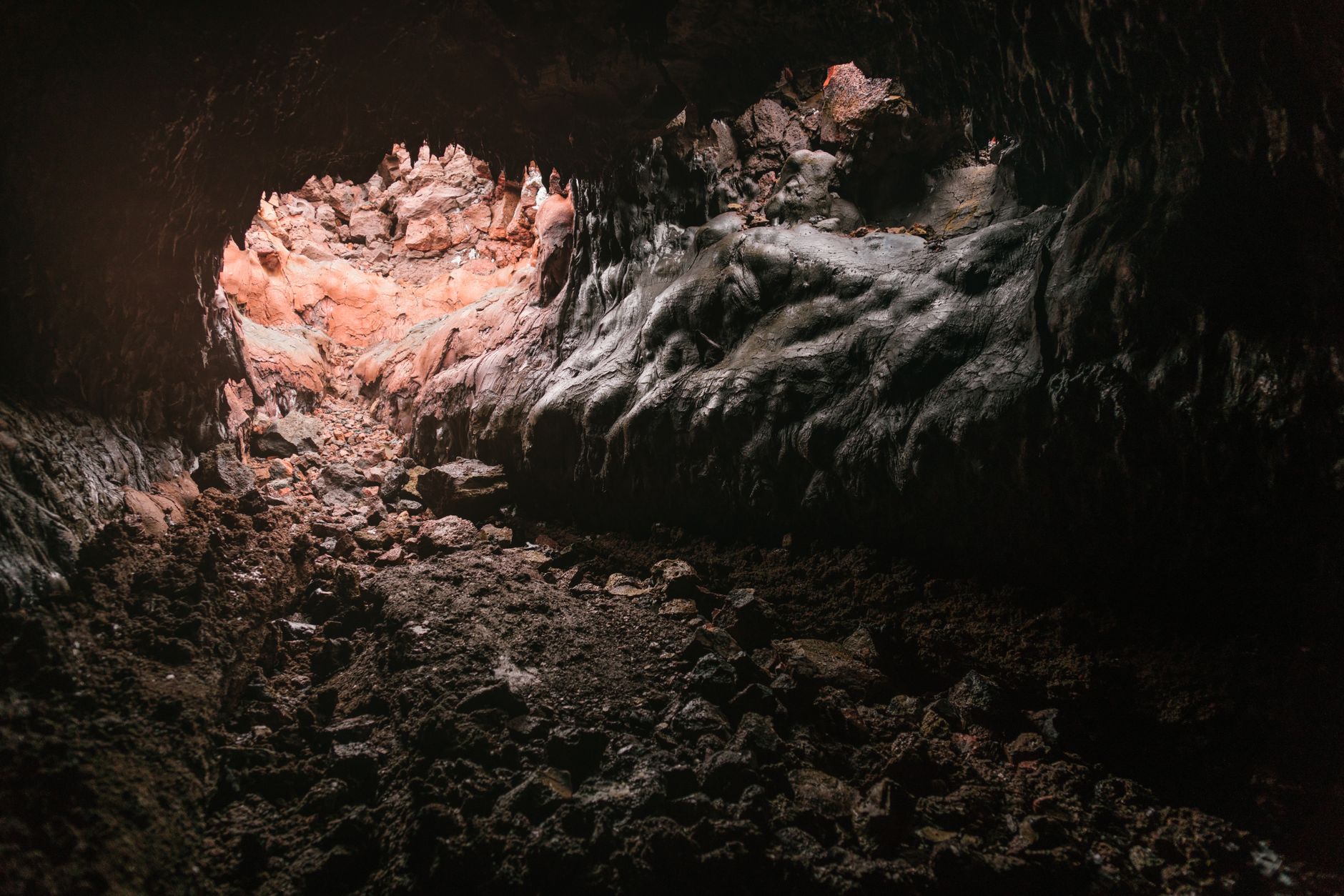
6. Check whether your lava tube or cave attraction is even open. Manjanggul and similar lava tube sites sometimes close during heavy rain due to flooding risk. This is one place where the answer genuinely depends on the day, so call ahead rather than assume.
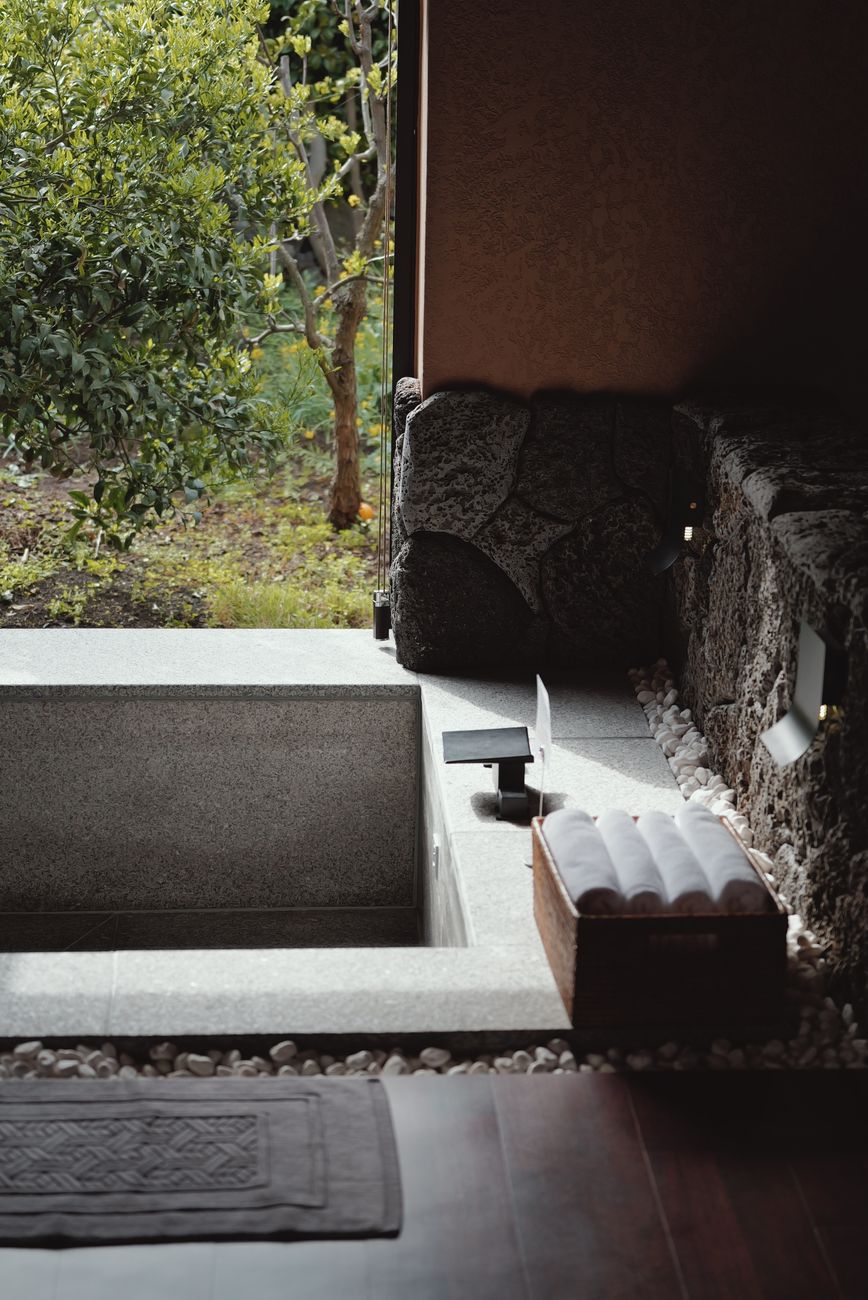
7. Give yourself a slow hotel afternoon. A hotel pool, spa hour, or an in-house cooking class (some larger resorts offer one) is a legitimate way to spend a storm afternoon, not a consolation prize.
Why this itinerary works for a 50s-plus couple specifically: every stop above is indoors, air-conditioned, has seating, and needs no more walking than a normal museum visit, which matters when a storm day already means more time on your feet waiting around. If you're traveling with young kids instead, swap the jjimjilbang for the aquarium's touch-pool area and add a covered indoor playground, most large Jeju malls have one. Solo travelers on a tighter budget can skip the jjimjilbang and spend that afternoon in a cafe with wifi instead, most coffee chains near Jeju City have large indoor seating areas built for exactly this kind of weather.
Practical Tips & Warnings
Typhoon season doesn't mean cancel everything. It means building your schedule so one bad-weather day doesn't sink the whole trip.
How Do You Know a Typhoon Warning Will Disrupt Your Flight?
Check your airline's app directly rather than a general weather app. Korean carriers post gate-level cancellation status for Jeju routes 12 to 24 hours ahead once a warning is confirmed by KMA. If your flight isn't flagged yet, that's not a guarantee, conditions can change within hours.
- Check KMA directly each morning of your trip. kma.go.kr publishes typhoon tracks in English; don't rely solely on a phone weather app that isn't localized for Korea.
- Time-specific tip: if a warning downgrades before 2pm, ferries to nearby Udo island often resume sailing the same afternoon; after 2pm, sailings typically wait until the next morning.
- Carry a T-money card loaded with cash. Card readers at small shops and market stalls can go offline in bad weather, and cash still works when the terminal doesn't.
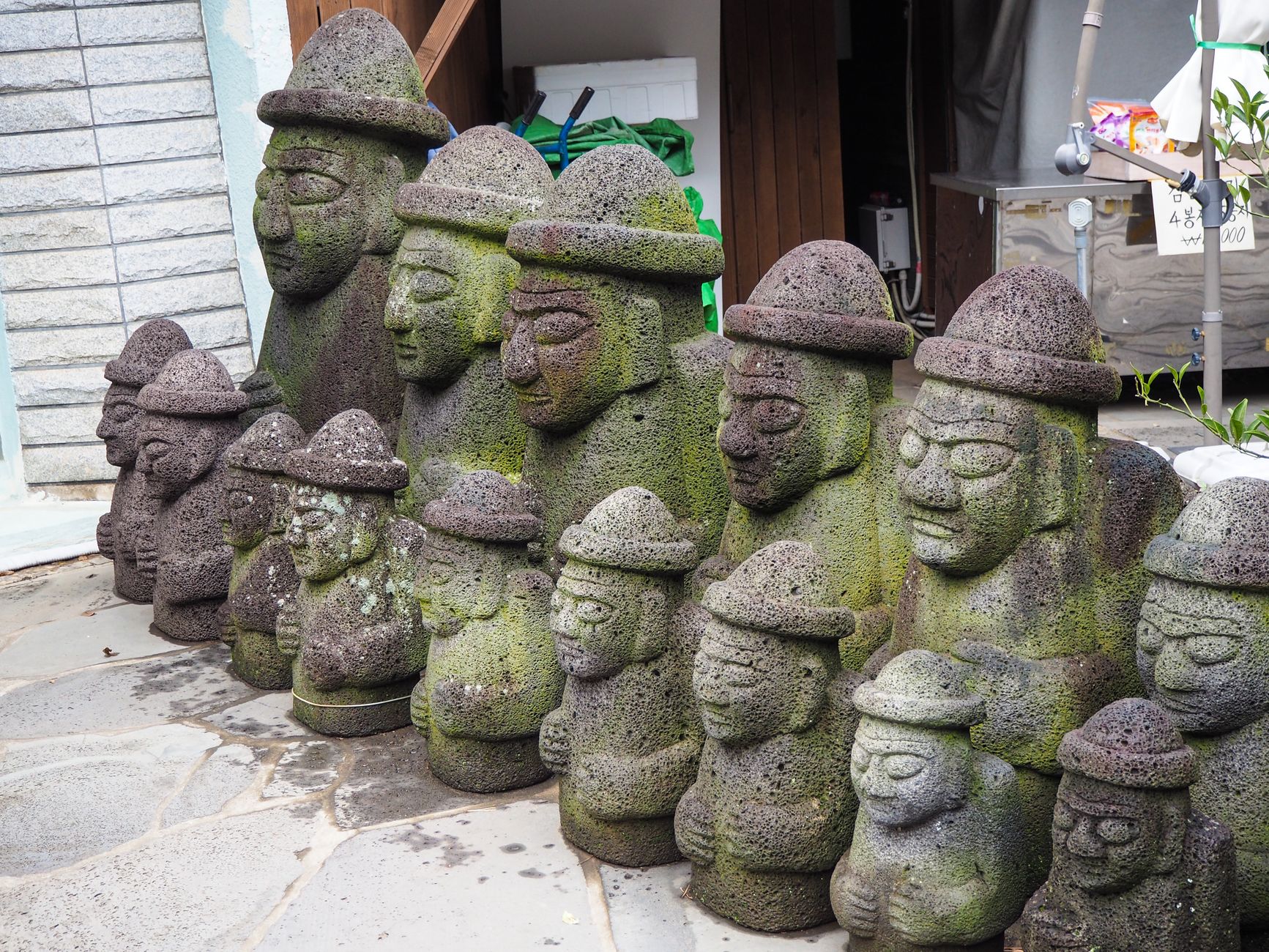
- Notice the sound before the rain does. The wind moving through Jeju's stone dol hareubang statues and the palm-lined coast roads makes a low, steady whistle you don't hear on a calm day. It's usually the first real sign a warning is about to be upgraded.
- Skip the rental car on warning days. Coastal roads get gusty crosswinds, and several rental companies restrict or void insurance coverage once an official warning is active. Taxis and buses are the safer call.
- Basic etiquette still applies indoors. Museums, jjimjilbang, and temples expect quiet voices and shoes off where marked, storm day or not.
The Honest Downside
Two things nobody puts in the highlight reel. First, refunds for cancelled outdoor tours aren't always fast or full, several operators only offer credit toward a future booking, not cash back, so read the cancellation policy before you book anything non-refundable in typhoon season. Second, every other tourist on the island has the same "indoor backup" idea you do, so the handful of open museums, aquariums, and jjimjilbang get noticeably more crowded on warning days than on a clear one.
🇰🇷 Useful Korean: Checking In
- 체크인 하고 싶어요 (che-keu-in ha-go si-peo-yo): "I'd like to check in"
- 와이파이 비밀번호가 뭐예요? (wa-i-pa-i bi-mil-beon-ho-ga mwo-ye-yo?): "What's the Wi-Fi password?"
- 방이 있어요? (bang-i i-sseo-yo?): "Do you have a room available?"
🎒 Still prepping your bag? Amazon has a solid selection of Korea travel essentials — the Type C/F adapter and a portable charger are the two things most people forget.
✅ Trip Checklist
- Book a refundable or flexible-rate room if any part of your trip falls in June through September 2026.
- Buy travel insurance with trip-interruption and storm coverage before you leave home, not after a warning is posted.
- Save the Korea Tourism Organization's 24-hour English helpline (1330) in your phone before you land.
- Check kma.go.kr or the airline app each morning during your stay, not just once at booking.
- Pack a light rain jacket and closed shoes even in August, sandals don't work on a storm day.
- Keep one full day of your itinerary genuinely unplanned as a weather buffer.
- Load a T-money card with extra cash in case card readers go down.
- Identify one indoor backup (museum, aquarium, jjimjilbang, or mall) near your hotel before the warning ever hits.
FAQ
Q: Is Jeju worth visiting during typhoon season in 2026?
A: Yes, for trips of 4 days or longer with at least one flexible day built in. Lower hotel rates and thinner crowds usually outweigh the risk of losing a single day to indoor plans.
Q: How much does a typhoon-affected day in Jeju actually cost?
A: About ₩60,000-100,000 (~$44-73) per person for indoor attractions, transport, and a sit-down meal, similar to a normal comfortable day, plus a possible ₩30,000-80,000 (~$22-58) change fee if you rebook a flight or ferry.
Q: What is the best time to visit Jeju to avoid typhoons?
A: April to May or October offer mild weather with the lowest typhoon risk, while June through September carries the highest chance of a warning during your stay.
Q: How long do you need to wait out a typhoon warning in Jeju?
A: Most warnings last 24 to 48 hours, with flights and ferries typically resuming within a day after the warning is lifted.
Q: Do flights automatically get cancelled during a typhoon warning?
A: Not automatically. Airlines cancel based on real-time wind and visibility conditions, sometimes hours before or after the warning itself is issued. Check your airline's app directly rather than assuming.
Q: Is it safe to drive a rental car in Jeju during a typhoon warning?
A: It's not recommended. Coastal roads see strong crosswinds, and some rental agreements restrict insurance coverage once an official warning is active, take a taxi or bus instead.
Q: What should I pack for Jeju in typhoon season?
A: A light rain jacket, closed waterproof shoes, a portable phone charger, and a printed or downloaded copy of your travel insurance details in case wifi drops during the storm.
Related Posts
📄 Jeju Typhoon Season 2026: Is It Still Worth the Trip?
📄 Is Jeju Island Worth Visiting in July 2026? Budget Tips & Guide
📄 5 Best Korea Summer Music Festivals in 2026 (Honest Review)
Source: figures and details in this article are based on official tourism board and government publications. Please verify current information on their official websites before your trip.
Image credit: Photo by Little forest 작은 숲 on Pexels | Photo by Tony Wu on Pexels | Photo by Clive Kim on Pexels | Photo by ArtHouse Studio on Pexels
※ 본문 이미지는 이해를 돕기 위해 AI로 생성한 참고 이미지입니다. 실제 현장과 다를 수 있습니다.


0 Comments