この話題を日本語で読む: 済州島2026年8月の台風時期、旅行は決行すべき?現地の本音
Cover: AI-generated illustration, not an actual location photograph.
Honestly, I almost canceled our Jeju trip three days before departure. A typhoon warning had gone up for a storm crossing the East China Sea straight toward the island, and I spent that whole evening scrolling through flight-change fees instead of sleeping. If you're planning a Jeju Island trip for typhoon season 2026 and just watched a storm track update pop up on your phone, I know exactly where you are right now.

I'll be upfront about this: Jeju sits closer to the typhoon belt than almost anywhere else in Korea, and late July through September is when it usually gets hit hardest. Locals don't panic about it the way tourists do. Ferries get canceled more often than flights, hotels are used to last-minute rebooking requests, and a surprising number of the island's best-loved attractions were built indoors for exactly this kind of week.
🛏️ Still looking for somewhere to sleep? Agoda has solid options across all price ranges, with free cancellation on most bookings.
💡 You can book tickets for this in advance on Klook — often cheaper than buying at the door, and you skip the queue.
💡 This post is especially useful if you're a couple in your 50s or 60s with a 4-day Jeju trip already booked for late summer or early fall 2026, trying to decide whether to cancel, reschedule, or just build a backup plan and go anyway.
What changed my mind wasn't luck. It was restructuring the trip around one flex day and a short list of indoor spots we could pivot to without re-planning from scratch. The storm did hit. We lost one full day outdoors, and it turned into one of the more relaxed afternoons of the whole trip: a hot spring, a tea museum, and a very long lunch we wouldn't have had time for otherwise. Below is exactly how we planned around it, what it cost, and what I'd tell you to lock in before you leave.
Is Jeju Worth Visiting During Typhoon Season 2026?
Yes, Jeju is worth visiting during typhoon season 2026 if your itinerary includes at least one flexible day and refundable bookings for anything time-sensitive. Direct typhoon landfall on any single set of travel dates is genuinely uncommon, most storms bring one to two disrupted days rather than a washed-out week, and the lower late-summer pricing makes the trade-off reasonable for travelers who plan around the risk instead of ignoring it.
| Option | Pros | Cons | Best For |
|---|---|---|---|
| Reschedule to spring or October | Lower typhoon risk, milder weather | Not realistic if flights or leave dates are already fixed | Travelers with fully flexible dates |
| Keep your dates, add a flex-day buffer | Keeps existing bookings, indoor backups salvage the trip | One day may still be a washout | Most couples with a fixed vacation window (our pick) |
| Cancel and rebook for later | Zero storm risk | Forfeits deposits on non-refundable bookings, loses off-peak pricing | Trips where everything booked is already fully refundable |
Why a Flex-Buffer Itinerary Is the Right Choice for This Trip
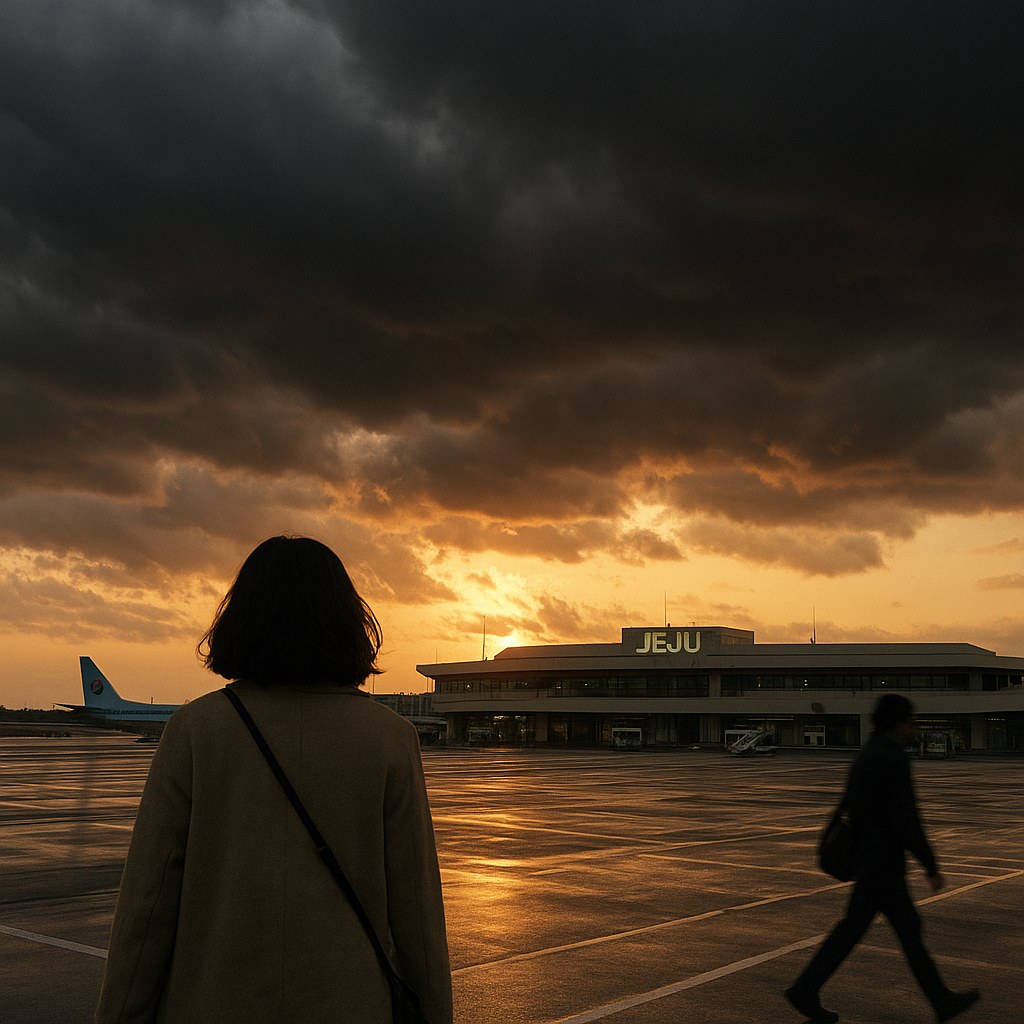
For a couple in their 50s with a fixed 4-day window and non-refundable flights already booked, keeping the original dates and building in one buffer day is the better call, since canceling forfeits money already spent and rescheduling isn't realistic once flights are locked. If you're a solo traveler or your dates are genuinely open, shifting the trip to October, after peak typhoon activity but before it turns cold, removes the risk entirely and is worth the extra planning. Families with young kids may lean toward rescheduling too. A rained-out beach afternoon is a harder sell to a 7-year-old than it is to two adults who don't mind trading the coast for a spa.
🎟️ Pre-book this activity on Klook. Prices are competitive and cancellation is usually flexible.
Overview: Location, Access, and Budget for a Jeju Trip
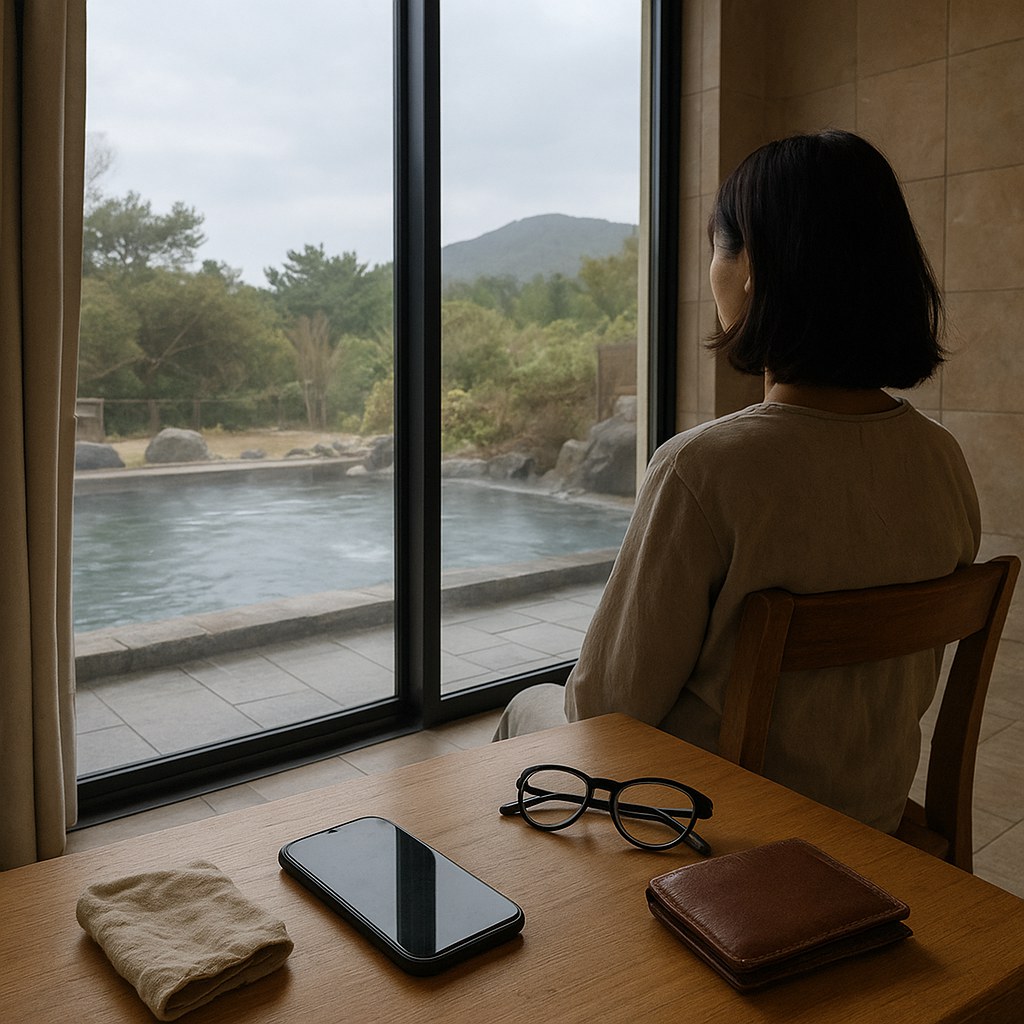
Jeju Island sits roughly a 1-hour flight south of Seoul, off Korea's southern coast, and is the country's most typhoon-exposed destination simply because it's the first landmass most Pacific storms reach on their way north. There's no rail or bridge to the island, so getting there from Seoul means flying, with departures from Gimpo running frequently through the day (confirm current schedules with the airline before booking). A 4-day trip for two in 2026 runs around $250 to $350 per person at a Comfortable level, excluding flights, up to $700 or more per person at a Splurge level.
Best Time to Visit Jeju
| Season | Crowds | Weather | Notes |
|---|---|---|---|
| Spring (Apr-May) | Moderate | Mild, occasional rain | Lowest typhoon risk, canola and cherry blossoms |
| Early Summer (Jun-early Jul) | High | Hot, humid | Rainy season (jangma) precedes typhoon season |
| Late Summer (late Jul-Sep) | High, dips after storm warnings | Hot, direct typhoon risk | Cheapest flights of the year, build in a flex day |
| Fall (Oct-Nov) | Moderate | Cool, dry | Typhoon risk drops sharply after early October |
What Is Jeju Known For Beyond the Beaches?
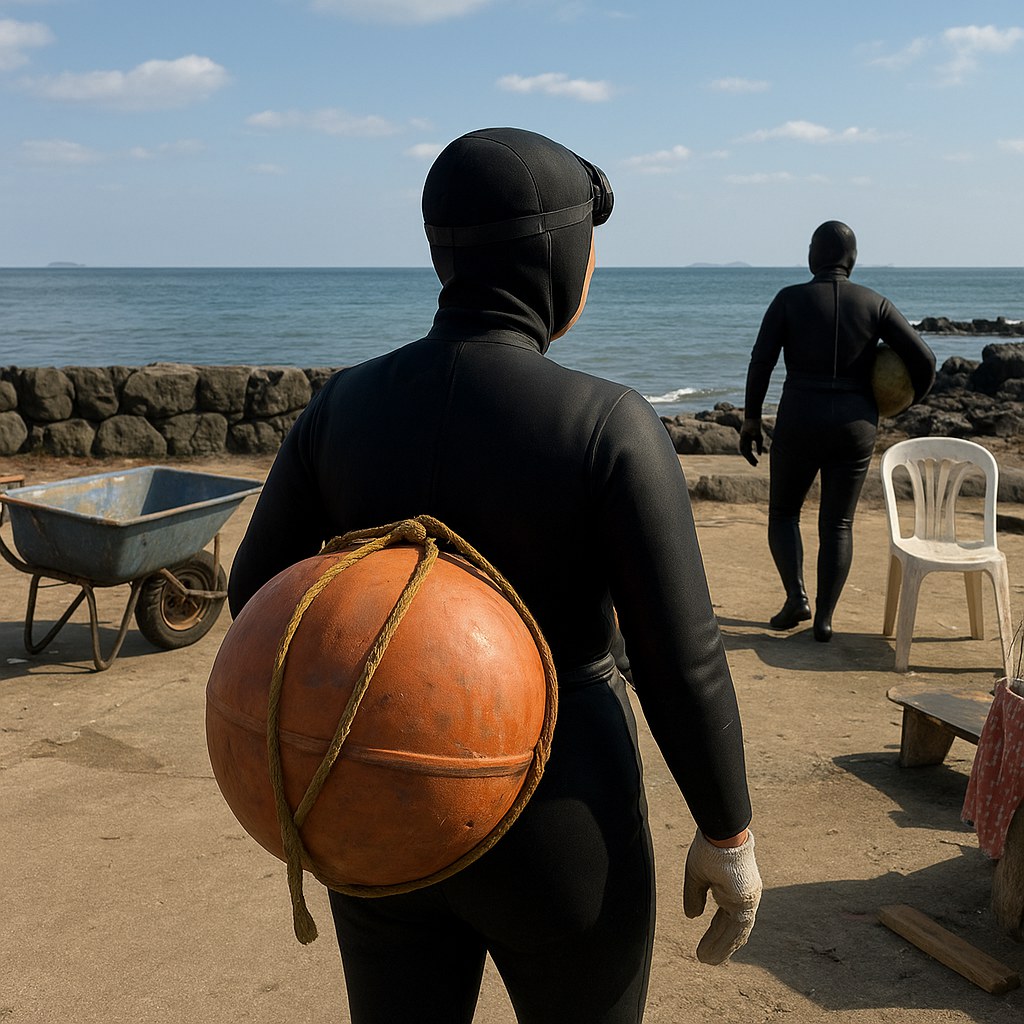
Jeju Island is known for its volcanic landscape centered on Hallasan, South Korea's tallest mountain, along with black basalt coastlines, citrus orchards, and a UNESCO-listed system of lava tube caves. It's also home to the haenyeo, Jeju's famous women free-divers, whose diving culture is recognized as UNESCO Intangible Cultural Heritage. On a windy or rained-out day, the island's museum and hot-spring culture, built up over decades precisely because Jeju's weather is unpredictable, stops being a backup plan and becomes the main event.
Four Days in Jeju: The Itinerary That Survives a Storm
Day 1: Arrival and the East Coast
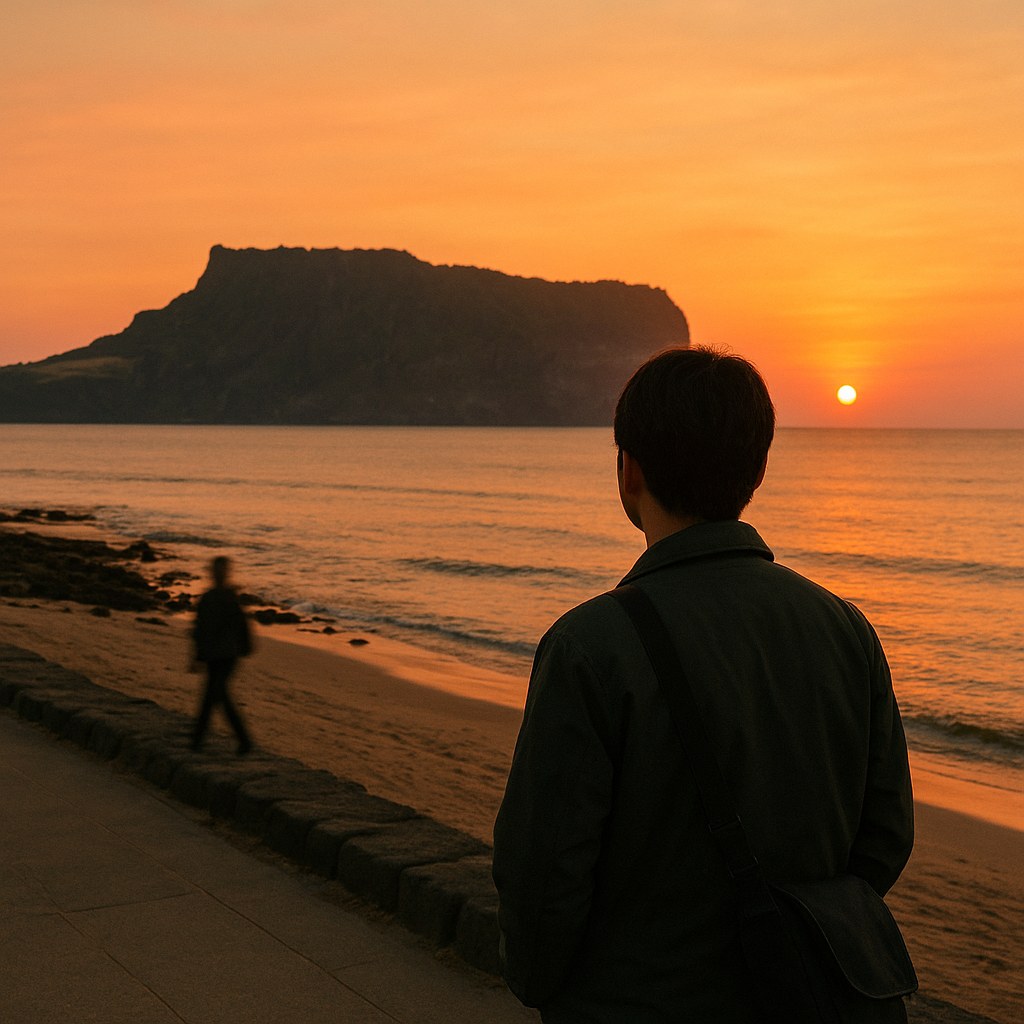
Land at Jeju International Airport, pick up a rental car, and head straight for the east coast while the forecast is still clear; outdoor plans go first in case the storm arrives early.
📍 Area: Seongsan-eup, Seogwipo-si (Seongsan Ilchulbong / Sunrise Peak)
🚇 Getting there: About 1 hour by car from the airport
⏱️ Time needed: 1.5-2 hours
💴 Admission: Roughly ₩2,000-5,000 (~$1.50-3.60), confirm current pricing on-site
The salt-heavy gust that comes off the peak before a storm builds is enough to flatten an umbrella before you've even opened it, so if the wind picks up mid-climb, that's your cue to head back down rather than push for the summit view.
🇰🇷 Useful Korean - Transport
- 여기 가 주세요 (yeo-gi ga ju-se-yo) - "Please take me here" (show the map)
- 얼마예요? (eol-ma-ye-yo?) - "How much is it?"
- 천천히 말해 주세요 (cheon-cheon-hi mal-hae ju-se-yo) - "Please speak slowly"
Day 2: The Backup Day
This is the day we built around the forecast rather than a fixed plan. When the storm actually rolled in, we swapped the coastal drive for the Osulloc Tea Museum and a hot spring resort instead.
🎧 Good background for trip planning — GrooveSeoul Studio curates café-ambience and night-view playlists from across Korea. Worth bookmarking.
📍 Area: Andeok-myeon, Seogwipo-si (Osulloc Tea Museum)
⏱️ Time needed: 1.5 hours
💴 Admission: Free entry to the museum, tastings priced separately, confirm before visiting
What I didn't expect was how good it would smell inside, the tea-roasting room fills with a warm, slightly smoky scent of drying tangerine peel that you don't get from the marketing photos. Personally, that hour did more to make the trip feel like a real vacation than another hour on a beach would have.

🇰🇷 Useful Korean - Accommodation
- 체크인 하고 싶어요 (che-keu-in ha-go si-peo-yo) - "I'd like to check in"
- 와이파이 비밀번호가 뭐예요? (wa-i-pa-i bi-mil-beon-ho-ga mwo-ye-yo?) - "What's the Wi-Fi password?"
- 방이 있어요? (bang-i i-sseo-yo?) - "Do you have a room available?"
The Honest Downside
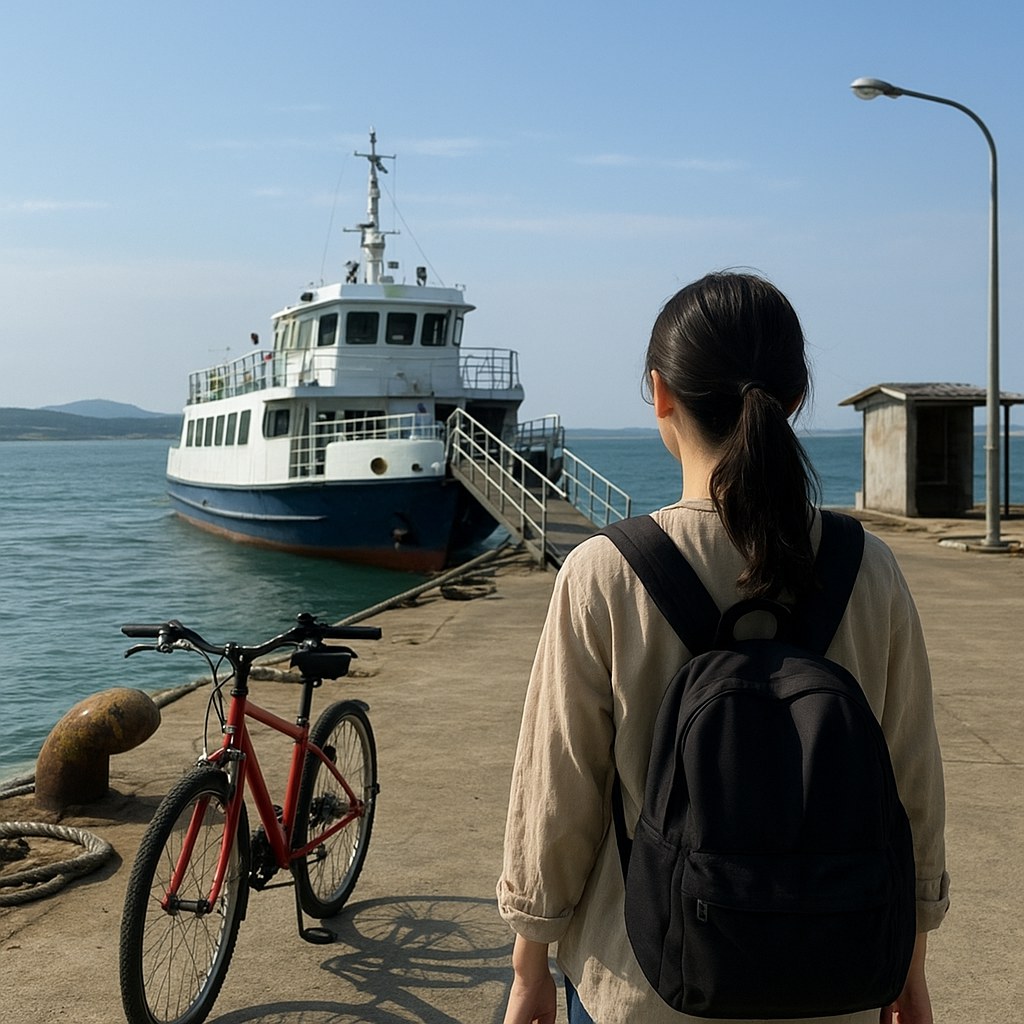
To be fair, the backup day isn't a full substitute for what you booked. Our ferry to Udo Island was canceled outright, no rebooking, no partial refund process we could sort out same-day, and that was the one stop we didn't get to try again before flying home. Indoor spots also get crowded fast once everyone on the island has the same idea at once, so arrive at the popular museums close to opening rather than mid-afternoon.
Day 3: Jungmun Resort Area
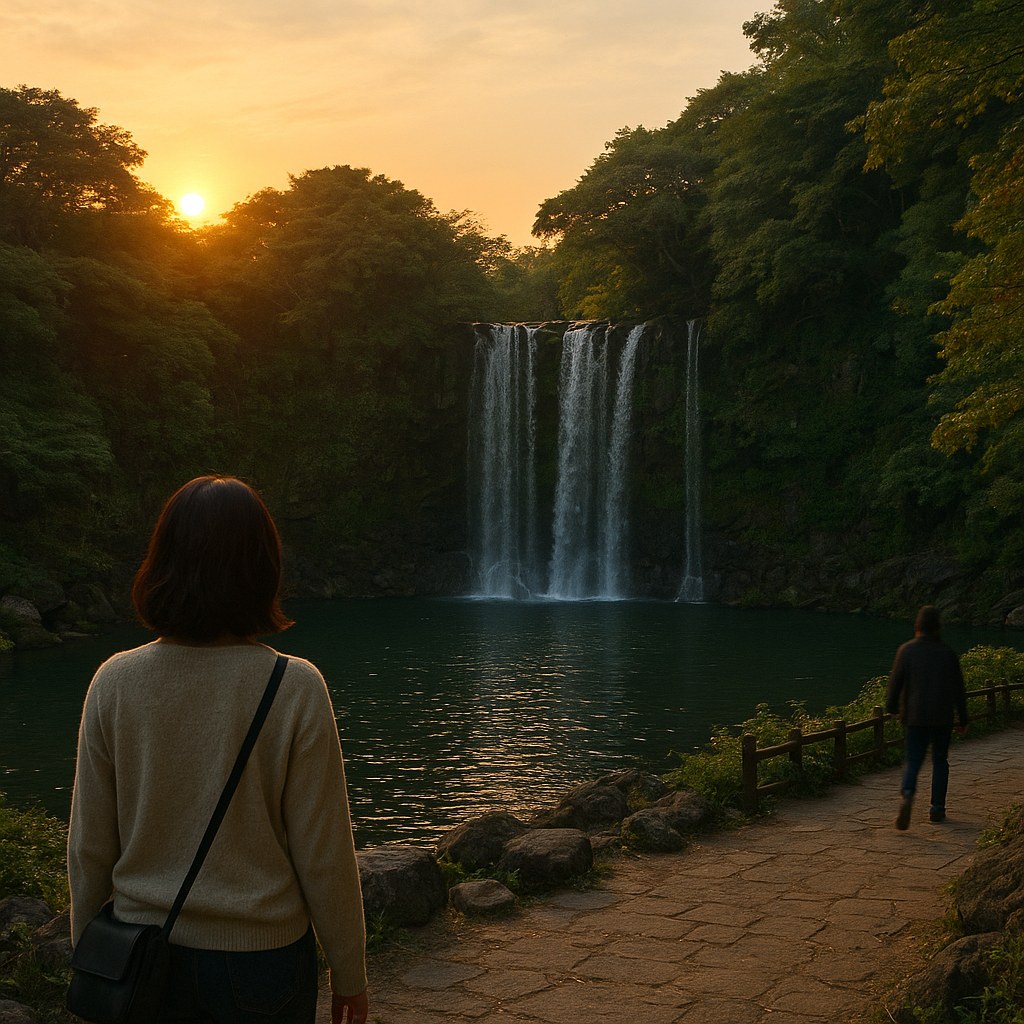
If the weather has cleared, Cheonjeyeon Falls and the Jungmun coastline are worth the drive. If it hasn't, Aqua Planet Jeju (a large indoor aquarium near Seongsan) is the fallback we'd use next time.
💴 Admission: Indoor attractions in this area run roughly ₩20,000-40,000 (~$14-29) per adult, confirm current pricing before visiting
Day 4: Departure Morning
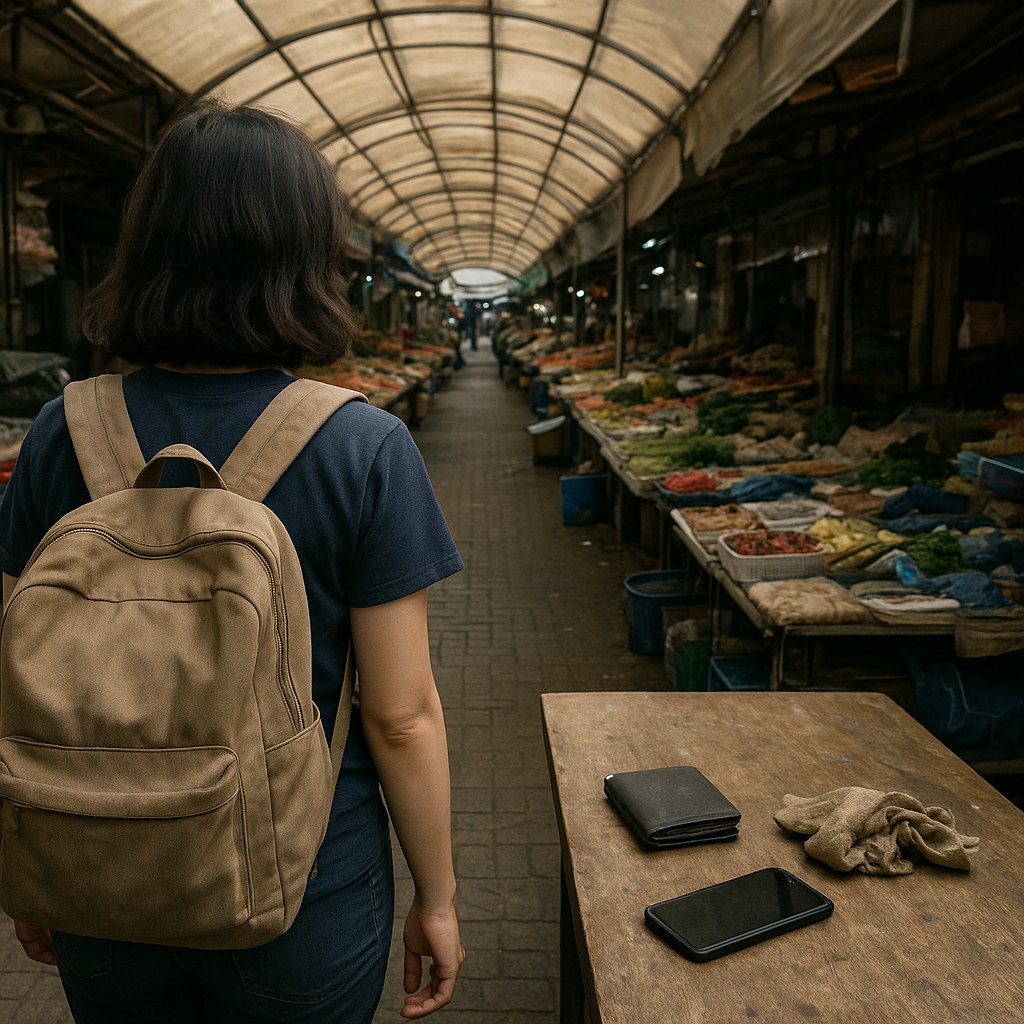
Spend the morning at a covered market like Dongmun Market for last-minute snacks and gifts, then head to the airport with buffer time built in, since weather-related flight delays cluster on departure days more than arrival days.
🇰🇷 Useful Korean - Food
- 이거 주세요 (i-geo ju-se-yo) - "This one, please"
- 포장해 주세요 (po-jang-hae ju-se-yo) - "To go, please"
- 맛있다! (ma-sit-da!) - "This is delicious!"
How Much Does a Typhoon-Ready Jeju Trip Cost in 2026?
A typhoon-ready 4-day Jeju trip for two costs roughly ₩1,200,000 (~$875) at a Comfortable level in 2026, including flights, mid-range accommodation, a rental car, and one paid indoor backup activity. Add typhoon-specific travel insurance, usually a modest add-on, and you're covered for the one variable a sunny-season trip doesn't need to plan around.

| Item | Detail | KRW | USD (approx) |
|---|---|---|---|
| Flights | Round trip Seoul-Jeju, economy, per person | ₩180,000 | ~$130 |
| Accommodation | 3 nights, mid-range hotel | ₩450,000 | ~$330 |
| Rental car | 4 days, compact | ₩160,000 | ~$115 |
| Food | 4 days, sit-down meals for two | ₩280,000 | ~$205 |
| Indoor backup activities | Museum + spa entry, two people | ₩120,000 | ~$88 |
| Travel insurance | Storm-inclusive coverage, per person | ₩25,000 | ~$18 |
| Total | 4-day trip for two, per person | ~₩608,000 | ~$443 |
Budget Tier: Comfortable / Premium / Splurge
| Comfortable | Premium | Splurge | |
|---|---|---|---|
| Per day | ₩150K-220K (~$110-160) | ₩280K-420K (~$205-305) | ₩600K+ (~$435+) |
| Stay | 3-star hotel or pension | 4-star hotel, ocean view | 5-star resort, Jungmun |
| Food | Sit-down local restaurants | Local plus seafood specialty spots | Hotel dining, chef's table |
| Backup-day activity | Public spa, small museum | Private hot spring, tea museum tour | Resort spa, private driver |
Practical Tips & Warnings
A few things I wish someone had told me before we booked.
First, ferries cancel far more readily than flights. If your plan includes a side trip to Udo or another outer island, treat that day as the most likely one to change, not the flight itself. Second, most Jeju ferry operators post their go or no-go decision for the day very early, often before 7am, so check the operator's own notice rather than relying on yesterday's forecast. Third, rental cars are worth it for reaching backup spots quickly when a plan changes mid-morning; buses run less frequently once weather turns, and taxis get harder to flag during heavy rain. Fourth, pack a real rain layer, not a travel umbrella. Jeju wind flips umbrellas inside out more often than it rains straight down. Fifth, keep a Korean SIM or eSIM active the whole trip so you can check live storm tracking without relying on hotel Wi-Fi.
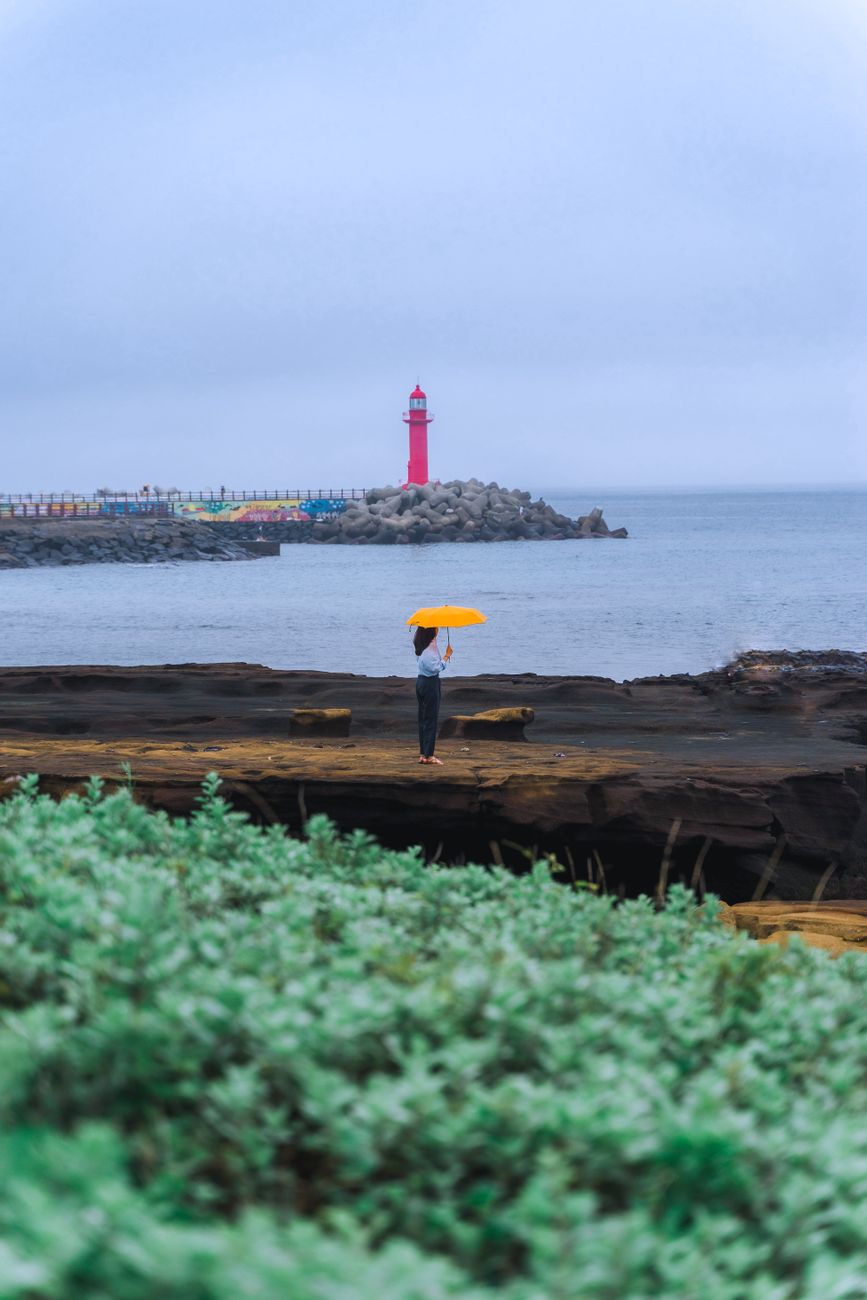
⚠️ Heads Up: Some smaller family-run restaurants and shops close entirely on the day a typhoon warning is issued, even if the storm doesn't hit until evening. Don't count on a specific dinner spot being open without checking that morning.
✅ Trip Checklist
- Book flights with a flexible or low-fee change policy, not the cheapest non-refundable fare
- Buy travel insurance that explicitly covers typhoon or named-storm delays
- Reserve one refundable indoor backup activity (spa, museum, aquarium) before you leave home
- Download the Korea Meteorological Administration's public forecast and your airline's app before departure
- Pack a real rain jacket, not just a travel umbrella
- Keep a Korean SIM or eSIM active for live storm updates
- Save your rental car company's local desk number in your phone
- Confirm your outer-island ferry (Udo, etc.) has a same-day cancellation policy you understand
- Build one full flex day into a 4-day-or-longer itinerary
FAQ
Q: Is Jeju worth visiting in typhoon season?
A: Yes, if your itinerary has at least one flex day and refundable bookings. Most storms disrupt one to two days rather than the whole trip, and late-summer pricing is the lowest of the year.
Q: How much does a typhoon-ready Jeju trip cost?
A: Roughly ₩608,000 (~$443) per person for a comfortable 4-day trip in 2026, including flights, accommodation, food, a rental car, one backup indoor activity, and storm-inclusive travel insurance.
Q: Best time to visit Jeju to avoid typhoons?
A: April to May or October to November carry the lowest typhoon risk. Late July through September has the highest risk but also the cheapest flights.
Q: How long do you need in Jeju?
A: 4 days is enough to cover one coast, one inland stop, and a built-in backup day without feeling rushed; 5-6 days gives more room if a storm eats into your plans.
Q: Do flights or ferries get canceled more often during a typhoon?
A: Ferries, by a wide margin. Flights are usually only grounded during the most severe, direct-hit conditions, while ferry operators cancel proactively at the first sign of rough seas.
Q: What should I do if my Jeju flight gets canceled for weather?
A: Contact the airline directly for rebooking, most Korean carriers waive change fees for confirmed weather cancellations, and keep your hotel informed in case you need to extend a night.
Q: Is it rude to ask about typhoon backup plans at a Jeju hotel front desk?
A: Not at all. Front desk staff on Jeju handle storm-related questions constantly during late summer and can usually tell you which nearby spots stay open.
Related Posts
📄 Is Jeju Island Worth Visiting in July 2026? Budget Tips & Guide
📄 5 Best Korea Summer Music Festivals in 2026 (Honest Review)
📄 5 Best Summer Festivals to Attend in Korea 2026 (Honest Review)
Your Next Steps
Book accommodation with a free-cancellation rate before your final payment deadline, not after. Buy typhoon-inclusive travel insurance before you make your last non-refundable booking. Save the Korea Meteorological Administration's site or app and your airline's app to your phone before you land, not after a warning is already posted. If you have an outer-island ferry booked, call the operator once you arrive to confirm their same-day cancellation policy in person.
Source: figures and details in this article are based on official tourism board and government publications. Please verify current information on their official websites before your trip.
Image credit: Photo by Kharl Anthony Paica on Pexels | Photo by Clive Kim on Pexels
※ 본문 이미지는 이해를 돕기 위해 AI로 생성한 참고 이미지입니다. 실제 현장과 다를 수 있습니다.


0 Comments