I Almost Gave Up on Korea's Coast — Here's Why I'm Glad I Didn't
Honestly, I almost wrote off Korea's coastal towns entirely. My first attempt at a summer seaside trip here — years ago, before I knew better — was a sweaty, overcrowded disaster at a beach near Busan where I couldn't find a square meter of sand that wasn't claimed by a tent. I spent ₩15,000 on a mediocre fried squid, got sunburned waiting in a line for the bathroom, and came home thinking Korea's coastline was overrated. I figured the country's strength was its palaces, mountains, and food — not its beaches.
What changed my mind was a local friend dragging me to Gangneung on a Tuesday morning in early June. The ocean was a shade of turquoise I didn't know Korea could produce. The coffee was world-class — genuinely, not as hyperbole. And the raw fish I ate that afternoon, pulled from the water that morning, was so clean and bright it rewired my expectations completely. That trip cracked something open, and over the past few summers I've stitched together a Korea coastal towns summer itinerary that I now consider one of the best ways to experience the country.
💡 You can book tickets for this in advance on Klook — often cheaper than buying at the door, and you skip the queue.
If you're planning a Korea trip in 2026 and your dates fall anywhere between June and early September, this itinerary is for you. I've designed it for travelers who want more than a generic beach holiday — couples and pairs who appreciate local seafood, dramatic cliff walks, harbor towns with real character, and comfortable hotels with ocean views that don't require a second mortgage. This isn't a backpacker sprint. It's a paced, seven-day loop hitting four of Korea's most compelling coastal destinations: Gangneung, Sokcho, Tongyeong, and Yeosu.
I've just updated every price, transport detail, and restaurant recommendation as of June 2026. The KTX schedules shifted slightly this year, a couple of my favorite cafes changed hands, and one key attraction in Yeosu extended its summer hours — so even if you've read older guides, this one reflects what's actually happening right now.
🎬 Planning session fuel: GrooveSeoul Studio — Korean café and city vibe videos that make you want to book the trip faster.
✅ For tours and day trips around this area, Klook has a solid selection with English guides available.
What Makes Korea's Coastal Towns Worth Visiting in Summer 2026?
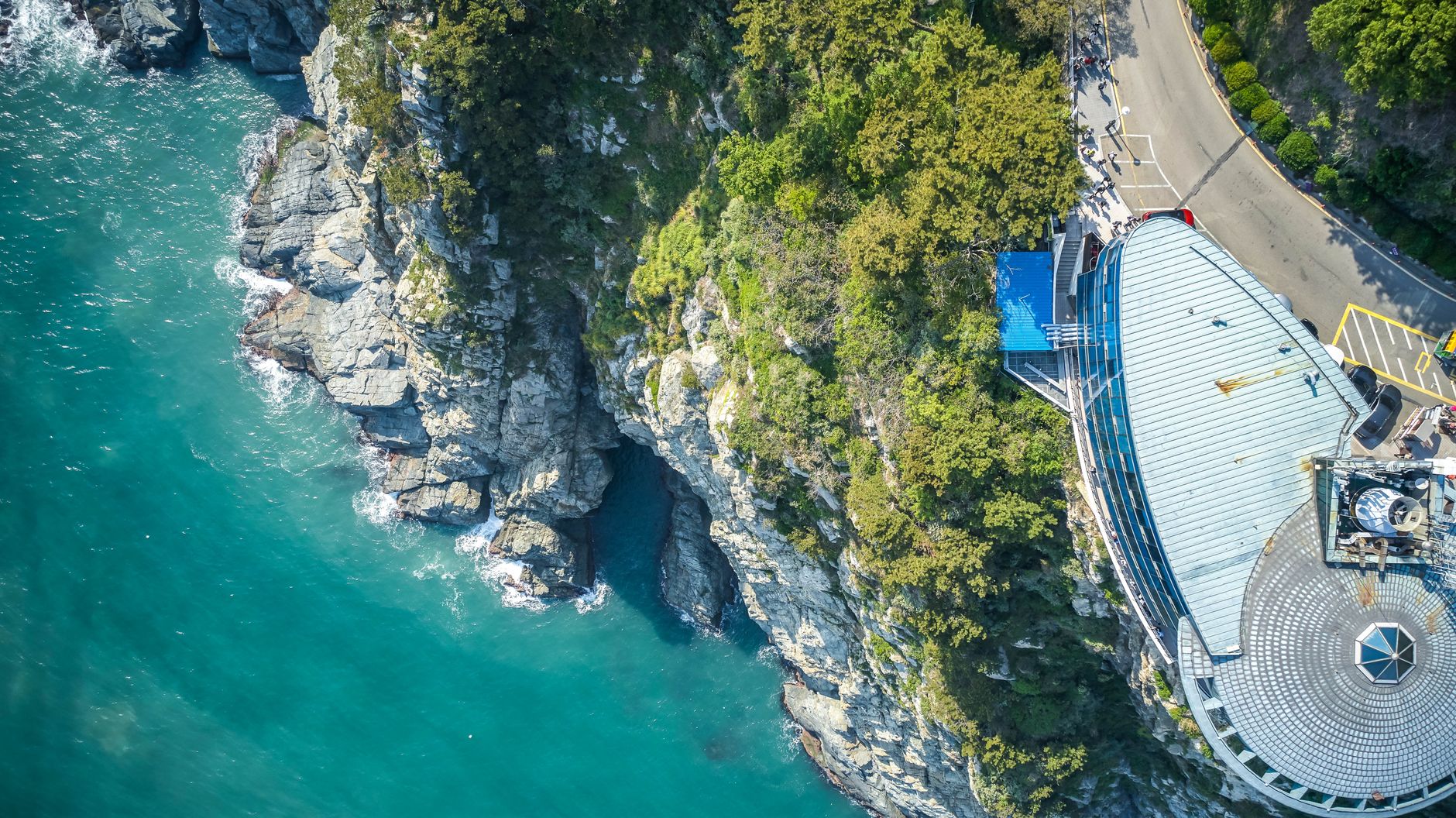
Korea's coastline stretches over 2,400 kilometers, wrapping around a peninsula where the East Sea (Sea of Japan) delivers cool, clear water and the southern coast offers warmer, island-studded bays. The four towns in this itinerary — Gangneung and Sokcho on the east coast, Tongyeong and Yeosu on the south — represent two completely different coastal personalities. The east coast is all about long, clean beaches backed by pine forests and the dramatic Taebaek mountain range dropping toward the sea. The south coast is gentler: fishing harbors, hundreds of small islands, rope-grown oysters, and sunsets that turn the water copper.
Summer 2026 is shaping up to be a strong season for coastal travel. Korea Tourism Organization has expanded its "K-Sea" campaign this year, adding more English signage and shuttle buses to secondary beaches. The KTX line to Gangneung (originally built for the 2018 Olympics) means you're on the east coast in under two hours from Seoul. Getting to the southern coast takes longer — about 3.5 hours by KTX to Yeosu — but the journey itself passes through gorgeous green countryside.
Budget-wise, Korea's coastal towns are significantly cheaper than Seoul for accommodation and food. A comfortable oceanview hotel room in Gangneung runs ₩120,000–180,000 (~$87–131) per night in June 2026, compared to ₩200,000+ for equivalent quality in Myeongdong. Seafood meals are 30–40% cheaper at the source. The main cost is transport between towns, which I'll break down in detail below.
The best time to visit depends on your tolerance for heat, humidity, and crowds. Here's my honest breakdown:
| Season | Crowds | Weather | Notes |
|---|---|---|---|
| Early June (now!) | Low–Moderate | 22–26°C, occasional rain | Best sweet spot — warm enough to swim, before school holidays flood the beaches |
| Late June–Mid July | Moderate | 25–30°C, humid, pre-monsoon | Great for seafood festivals; book ahead for weekends |
| Late July–Mid August | Very High | 28–33°C, monsoon bursts possible | Peak Korean summer vacation — prices spike 30–50%, beaches packed |
| Late August–September | Dropping | 25–29°C, clearer skies | Underrated window; water still warm, crowds thin fast after Aug 20 |
How Long Do You Need for a Korea Coastal Towns Itinerary?
Seven days is the ideal length for this four-town coastal loop. You could compress it to five days by cutting one destination, but you'd lose the pacing that makes it enjoyable — especially if you're a couple in your 40s–60s who'd rather savor a long seafood lunch than sprint between photo spots. Seven days gives you two nights per main destination, plus a travel day, which means you actually settle in and feel each town's rhythm.
The routing I recommend: Seoul → Gangneung (2 nights) → Sokcho (2 nights) → fly or bus to Tongyeong (1 night) → Yeosu (2 nights) → Seoul. This moves east coast to south coast, finishing in Yeosu where you can catch a direct KTX back to Seoul. I'll walk through every day below.
Day 1–2: Gangneung — Coffee, Pine Forests, and the Bluest Water
Day 1: Arrive from Seoul, Explore Gyeongpo Area
Catch the KTX from Seoul Station or Cheongnyangni Station to Gangneung Station. As of June 2026, departures run roughly every 30–60 minutes starting at 6:05am. The ride takes 1 hour 50 minutes and costs ₩27,600 (~$20) for standard class. Book on the Korail app or website — English is available, and you can reserve up to a month in advance.
📍 Gangneung Station
🚇 Getting there: KTX from Seoul (1h50m)
⏱️ Check-in target: Around noon
💴 KTX fare: ₩27,600 (~$20) standard class, as of 2026
From the station, take bus 202 to the Gyeongpo Beach area (20 minutes, ₩1,400) or grab a taxi (₩8,000–10,000, ~$6–7). Check into your hotel — I recommend staying in the Gyeongpo neighborhood for walkability to both the beach and the famous coffee street.
After settling in, walk to Gyeongpo Beach itself. It's a 1.8km crescent of pale sand with unusually clear water for Korea. In mid-June the beach is clean and uncrowded on weekdays. The sound of small waves lapping against the shore is gentle here — nothing like the crash of Jeju's south coast — and the pine trees lining the back of the beach release a warm resin smell when the afternoon sun hits them.
Then head to Gangneung Coffee Street (Anmok Beach). This stretch of independent cafes along Anmok Beach is legendary, and it's earned. Gangneung is officially designated Korea's "Coffee City," and the concentration of skilled roasters here rivals neighborhoods in Melbourne or Portland. My pick: Terarosa Coffee (their flagship is here), where a hand-drip single origin runs ₩7,000–9,000 (~$5–7). Grab a window seat facing the ocean.
📍 Terarosa Coffee Gangneung: 17 Changhae-ro 17beon-gil, Gangneung-si
🚇 Getting there: Bus 202 from Gyeongpo, or 15-min walk along the beachfront path
⏱️ Time needed: 45 min–1 hour
💴 Coffee: ₩6,000–9,000 (~$4.50–7)
For dinner, walk to Jungang Market (중앙시장). This isn't a tourist market — it's where locals buy their fish. Head to the second floor for the famous dakgalbi alley (spicy stir-fried chicken), Gangneung's signature dish. A serving for two costs ₩22,000–28,000 (~$16–20). The iron plate arrives smoking and crackling, the smell of gochujang and sesame oil hitting you before the server even sets it down.
🇰🇷 Useful Korean — Ordering Food
- 이거 주세요 (i-geo ju-se-yo) — "This one, please" (point at menu)
- 덜 맵게 해 주세요 (deol maep-ge hae ju-se-yo) — "Less spicy, please"
- 물 주세요 (mul ju-se-yo) — "Water, please"
- 맛있다! (ma-sit-da!) — "This is delicious!"
Day 2: Jeongdongjin Sunrise, Ojukheon, and Seafood
Set your alarm. Jeongdongjin is famous as the point on Korea's east coast closest to the train tracks — there's a train station literally on the beach — and the sunrise here is iconic. In June 2026, sunrise is around 5:12am. Drive or take a taxi (25 min from Gyeongpo, ₩18,000 ~$13) and arrive by 4:50am. Even in summer, the pre-dawn air is cool enough that you'll want a light jacket. The sky shifts from deep indigo to orange to white in about fifteen minutes, and the moment the sun clears the water line, the entire horizon catches fire. I've seen a lot of sunrises. This one stays with you.
After sunrise, head back for breakfast and then visit Ojukheon House, a 16th-century Joseon-era estate and the birthplace of the scholar Yulgok Yi I (whose face is on the ₩5,000 bill). It's a beautifully preserved hanok compound surrounded by black bamboo groves.
📍 Ojukheon House: 24 Yulgok-ro 3139beon-gil, Gangneung-si
🚇 Getting there: Bus 202 from Gyeongpo (15 min) or taxi ₩5,000
⏱️ Time needed: 1–1.5 hours
💴 Admission: ₩3,000 (~$2.20) as of 2026
For lunch, splurge on mulhoe (cold raw fish soup) — Gangneung's summer specialty. At restaurants along Jumunjin Port, a bowl runs ₩15,000–18,000 (~$11–13). The broth is icy, slightly sweet, loaded with fresh-cut raw fish, crunchy vegetables, and a hit of gochujang. On a hot June day, it's the most refreshing meal in Korea.
Spend the afternoon at your own pace. Options: the Haslla Art World sculpture park (ocean views + contemporary art, ₩18,000 admission), or simply return to Anmok Beach for another coffee and a slow walk along the coastal boardwalk.
🏨 For hotels in this area, I usually check Agoda first — Korean accommodation prices are often 15–20% lower there than on other platforms, especially for mid-range stays.
💡 Pro Tip: Gangneung's best-value oceanview hotels are in the Sacheon neighborhood, between Gyeongpo and Anmok. You get the views without the coffee-street premium. Expect ₩130,000–160,000 (~$95–117) for a clean, modern room with a balcony in June 2026.
Day 3–4: Sokcho — Mountain Meets Sea
Day 3: Transfer to Sokcho, Sokcho Beach, Abai Village
Sokcho is just 70 minutes north of Gangneung by intercity bus (₩6,800 ~$5, departures every 20 min from Gangneung Express Bus Terminal). The scenery along the coast road is gorgeous — cliffs, fishing villages, tunnels punching through headlands.
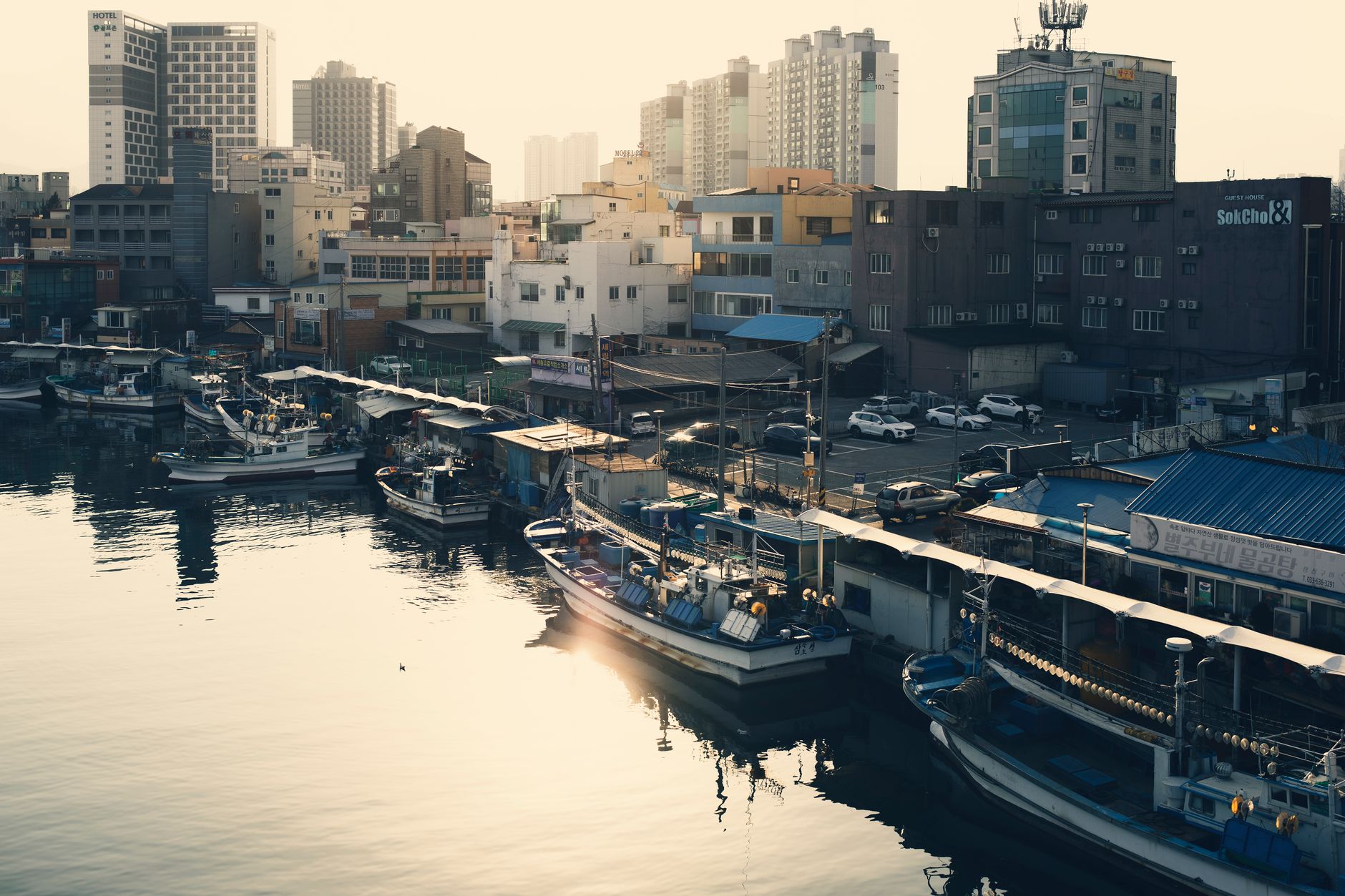
Sokcho is where the Seoraksan mountain range meets the East Sea, and that collision of landscape creates a town with an energy unlike anywhere else on this itinerary. The harbor is working-class and authentic. The seafood is arguably the best on the east coast.
After checking into your hotel (the area around Sokcho Beach or Cheongchoho Lake is most convenient), walk to Sokcho Beach. It's smaller and grittier than Gyeongpo — more local families, fewer Instagram cafes — and I actually prefer it. The water is crystal clear and cold enough in June to make you gasp.
Then cross the Abai Village channel on the hand-pulled ferry (₩500, ~$0.40 — yes, you pull yourself across on a rope). Abai Village was settled by North Korean refugees after the Korean War, and the food here reflects that heritage. Get ojingeo sundae (squid stuffed with tofu and vegetables) at one of the tiny restaurants. A plate costs ₩12,000–15,000 (~$9–11). The texture is unlike anything — the squid skin gives a slight resistance, then the soft filling yields.
📍 Abai Village Ferry: Near Cheongchoho Lake, Sokcho-si
🚇 Getting there: Walk from Sokcho Beach area (15 min)
⏱️ Time needed: 1–2 hours for village + food
💴 Ferry: ₩500 (~$0.40)
Day 4: Seoraksan National Park
You cannot come to Sokcho without visiting Seoraksan National Park. It's Korea's most dramatic mountain scenery — granite peaks, dense forest, Buddhist temples tucked into valleys. In June, everything is explosively green.
Take bus 7 or 7-1 from Sokcho (30 min, ₩1,400) to the park entrance. The most accessible route is the Biseondae Trail — a flat, paved 3.5km walk along a river gorge to a striking rock formation. Round trip takes about 2 hours at a comfortable pace. There are benches every few hundred meters and the path is shaded. For something more challenging, the cable car to Gwongeumseong Fortress (₩15,000 round trip, ~$11) takes you 700m up the mountainside in 5 minutes for panoramic views of the coast and peaks.
📍 Seoraksan National Park: Seorak-dong, Sokcho-si
🚇 Getting there: Bus 7 or 7-1 from Sokcho city (30 min)
⏱️ Time needed: 3–5 hours depending on trails
💴 Park admission: Free as of 2026 (fee abolished in 2023). Cable car: ₩15,000 (~$11) round trip
After the park, reward yourself with Sokcho's famous dakgangjeong (sweet crispy fried chicken). The original Manseok Dakgangjeong near the bus terminal always has a line, but it moves fast. A large box costs ₩18,000 (~$13) and easily feeds two. The crunch is audible from across the table.
🇰🇷 Useful Korean — Getting Around
- 여기 가 주세요 (yeo-gi ga ju-se-yo) — "Please take me here" (show map to taxi driver)
- 감사합니다 (gam-sa-ham-ni-da) — "Thank you" (formal)
- 천천히 말해 주세요 (cheon-cheon-hi mal-hae ju-se-yo) — "Please speak slowly"
- 얼마예요? (eol-ma-ye-yo?) — "How much is it?"
Day 5: Travel Day — East Coast to South Coast
This is the biggest transit day. You're moving from Sokcho on the northeast coast to Tongyeong on the south coast. There's no direct train, so your options:
Option A (Recommended for comfort): Bus from Sokcho to Seoul Express Bus Terminal (2.5 hours, ₩17,300 ~$13), then KTX Seoul → Jinju (2.5 hours, ₩44,800 ~$33), then bus Jinju → Tongyeong (1 hour, ₩6,500 ~$5). Total: ~7 hours door to door, ~₩68,600 (~$50). Long, but you're in comfortable seats with rest stops.
Option B (Faster but pricier): Taxi Sokcho → Yangyang Airport (20 min, ₩15,000), fly to Gimhae/Busan (if available — check schedules as routes vary seasonally), bus to Tongyeong (1.5 hours). Can cut total time to ~4 hours but costs more.
I went with Option A and used the travel day to catch up on sleep, read, and eat a solid lunch at Seoul Express Bus Terminal's food court. Treat it as a rest day — you've earned it after Seoraksan.
Arrive in Tongyeong by evening. Check in and walk the harbor for dinner.
Day 6: Tongyeong — Korea's Naples
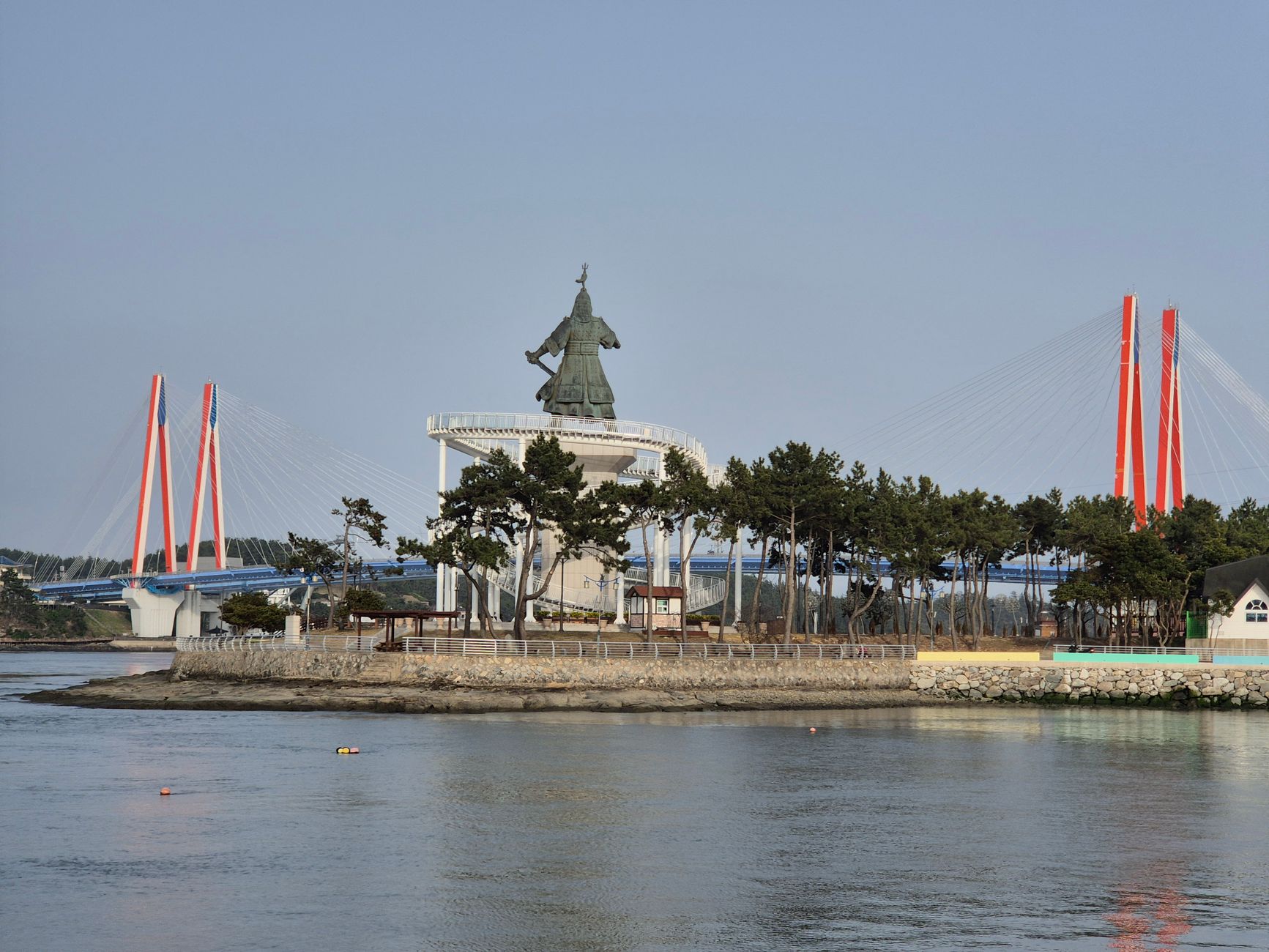
Tongyeong is the hidden gem of this itinerary. Koreans call it "Korea's Naples" for its hilly harbor town vibe and sparkling bay dotted with islands. As of 2026, it remains blissfully under-visited by foreign tourists — I saw maybe three other non-Korean faces during my entire stay.
Tongyeong is a compact town built on steep hills surrounding a busy fishing harbor. The main attractions are walkable, but "walkable" here means hills. Taxis within town cost ₩4,000–6,000, and I'd recommend using them for the steeper sections if your knees aren't thrilled about stairs.
Morning: Ride the Hallyeo Waterway Observation Cable Car — the longest over-water cable car in Korea at 1,975 meters. It carries you from the harbor to the peak of Mireuksan, and the views of the Hallyeohaesang National Marine Park below are staggering: dozens of green islands floating in blue-grey water, fishing boats leaving white trails.
📍 Hallyeo Waterway Cable Car: 205 Balgae-ro, Tongyeong-si
🚇 Getting there: Taxi from Tongyeong Bus Terminal (10 min, ₩5,000)
⏱️ Time needed: 1.5–2 hours (including summit walk)
💴 Round trip: ₩16,000 (~$12) as of 2026
Late Morning: Walk through Dongpirang Mural Village, a hillside neighborhood saved from demolition by street art. The murals are charming — cats, ocean scenes, optical illusions on stairwells — and the views down to the harbor are postcard-perfect. Give it 45 minutes to an hour. There are cafes at the top if you need a rest.
Lunch: Tongyeong's signature dish is chungmu gimbap — tiny, bite-sized seaweed rice rolls served with spicy radish and squid side dishes. It was invented here as fishermen's food. A full set costs ₩8,000–10,000 (~$6–7) and it's unlike any gimbap you've had in Seoul. Try Dongwon Chungmu Gimbap near the harbor.
Afternoon: Take a ferry to Yeonhwa Island (연화도), a small island 30 minutes from Tongyeong's harbor. The ferry costs ₩13,000 round trip (~$9.50) and runs 3–4 times daily in summer 2026. Yeonhwa-do has a gentle 2km walking trail, a tiny Buddhist hermitage, and almost no tourists. The feeling of standing on a hilltop with 360-degree ocean views and hearing nothing but wind and cicadas — that's what this itinerary is about.
The Honest Downside
Tongyeong's public transit is limited. Buses run infrequently to outer attractions, and taxi apps (Kakao T) sometimes struggle to find drivers here. If you don't read Korean, navigating bus routes requires patience and Naver Map. The town also has fewer English-speaking staff at restaurants and hotels than Seoul or Gangneung. I had a couple of moments pointing at photos on my phone and hoping for the best. It's part of the charm, but know what you're walking into.
Also, the Hallyeo cable car closes in strong wind — and summer storms blow in fast on the south coast. Check weather the morning of and go early if there's any doubt.
Day 7–8: Yeosu — Night Sea and Island Hopping
Day 7: Transfer to Yeosu, Odongdo Island, Night Sea
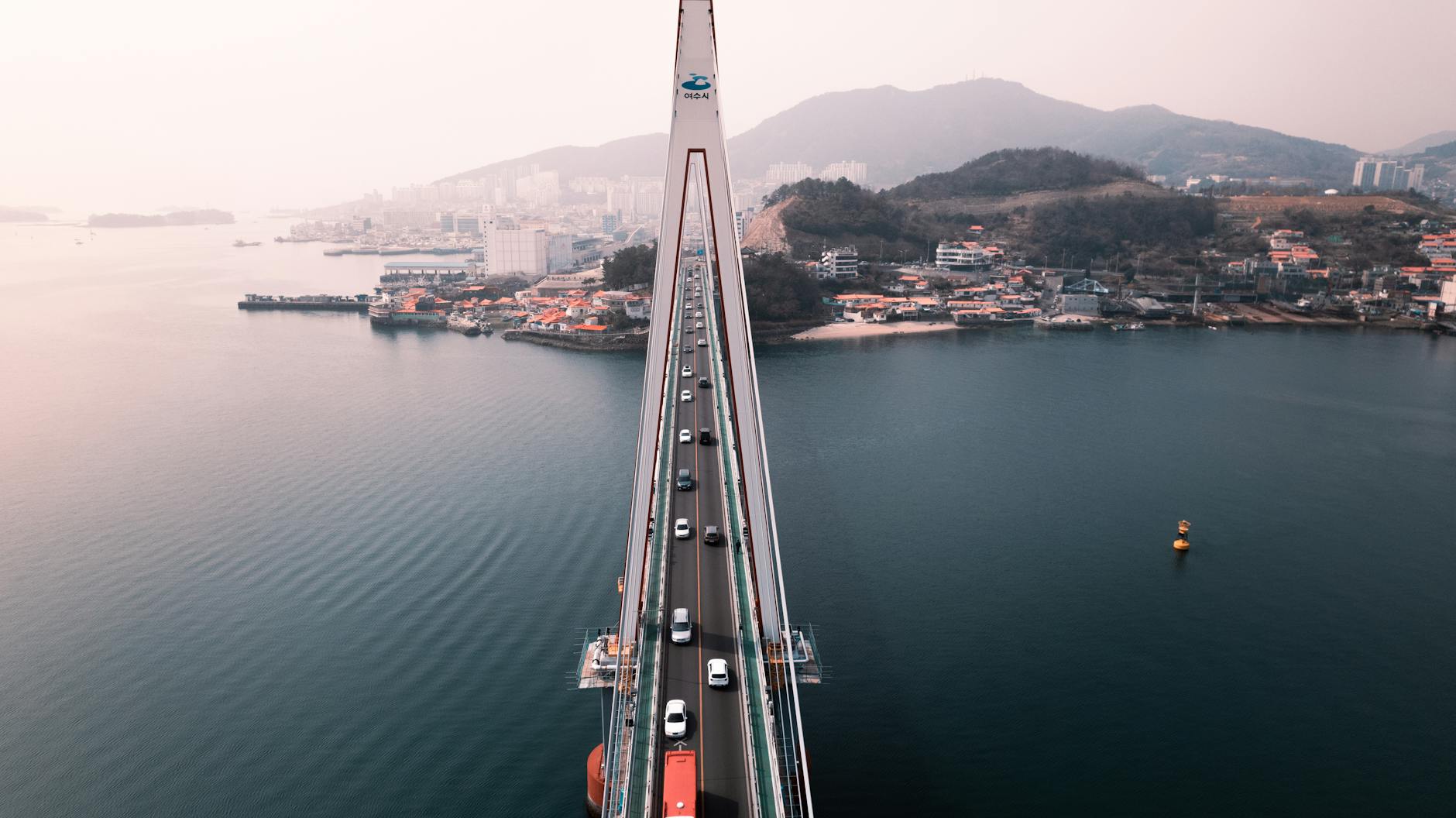
Bus from Tongyeong to Yeosu takes about 2 hours (₩11,500 ~$8, departures hourly). Yeosu is larger than Tongyeong, with a proper city center, more hotel options, and a waterfront that Korea spent billions developing for the 2012 World Expo.
Yeosu's coastline faces south into a sheltered bay, and the water is warmer than the east coast — comfortable for swimming by mid-June. The city's famous for its night ocean views, and there's a Korean ballad ("Yeosu Night Sea" by Busker Busker) that every Korean knows by heart. Play it as you walk the waterfront. You'll understand.
Afternoon: Walk to Odongdo Island, connected to the mainland by a 768-meter causeway. The island is a dense camellia forest with walking trails, a lighthouse, and coastal cliffs. It takes about an hour to loop the whole island at a relaxed pace. Admission is free.
📍 Odongdo Island: 222 Odong-do-ro, Yeosu-si
🚇 Getting there: Bus 333 from Yeosu station, or walk from Expo area (20 min)
⏱️ Time needed: 1–1.5 hours
💴 Admission: Free. Optional tourist train on causeway ₩1,000 (~$0.70)
Evening: This is the highlight. Walk the Yeosu Maritime Cable Car at night — or better yet, ride the transparent crystal cabin version (₩17,000 ~$12 one-way, ₩25,000 ~$18 round trip as of 2026). The cable car crosses the harbor between Dolsan Island and the mainland, and after dark, the city lights reflect off the black water below your glass-floor cabin. It's genuinely thrilling. The last cabin departs at 9:30pm in summer.
Dinner: Seo-dong Haemul near the Expo waterfront does an exceptional gejang (raw marinated crab) set for ₩18,000 per person (~$13). The crab is brined in soy sauce until the flesh is silky and intensely savory. It's a southern coastal specialty and Yeosu does it as well as anywhere.
🇰🇷 Useful Korean — At Markets & Restaurants
- 카드 돼요? (ka-deu dwae-yo?) — "Do you accept card?"
- 하나 더 주세요 (ha-na deo ju-se-yo) — "One more, please"
- 포장해 주세요 (po-jang-hae ju-se-yo) — "To go, please"
- 사진 찍어도 돼요? (sa-jin jji-geo-do dwae-yo?) — "May I take a photo?"
Day 8: Morning in Yeosu, Return to Seoul
Morning: If you're an early riser, visit Hyangiram Hermitage — a cliffside Buddhist temple clinging to the rocks on the southern tip of Dolsan Island. It's one of four designated sunrise temples in Korea. Getting there: taxi from central Yeosu (25 min, ₩15,000). The final approach involves steep stone stairs (about 20 minutes of climbing), so assess your comfort level. The views from the top — open ocean, pine-covered cliffs, the hermitage buildings seemingly growing from the rock face — are extraordinary.
📍 Hyangiram Hermitage: 60 Hyangiram-ro, Dolsan-eup, Yeosu-si
🚇 Getting there: Taxi 25 min from central Yeosu
⏱️ Time needed: 1.5–2 hours (including climb)
💴 Admission: ₩2,000 (~$1.50) as of 2026
Afternoon: Catch the KTX back to Seoul from Yeosu-Expo Station. Direct trains run several times daily, taking about 3 hours 20 minutes. Standard class fare: ₩48,800 (~$36) as of June 2026.
Is a Korea Coastal Towns Summer Itinerary Worth It in 2026?
Absolutely yes — Korea's coastal towns offer a dramatically different experience from Seoul and the palace circuit, and summer 2026 is an excellent time to go. You get world-class seafood at local prices, uncrowded beaches (if you time it right), and landscapes that range from dramatic granite peaks to gentle island-studded bays. For couples and comfort-conscious travelers, the combination of fresh air, slower pace, and authentic Korean food culture makes this itinerary one of the most rewarding weeks you can spend in the country.
The trip works best for travelers who enjoy food, scenery, and cultural texture more than nightlife or shopping. If that's you, this is your itinerary.
Real Cost Breakdown — Korea Coastal Towns 7-Day Itinerary (2026)
| Item | Detail | KRW | USD (approx) |
|---|---|---|---|
| Transport | KTX Seoul → Gangneung | ₩27,600 | ~$20 |
| Transport | Bus Gangneung → Sokcho | ₩6,800 | ~$5 |
| Transport | Bus Sokcho → Seoul (transfer day) | ₩17,300 | ~$13 |
| Transport | KTX Seoul → Jinju | ₩44,800 | ~$33 |
| Transport | Bus Jinju → Tongyeong | ₩6,500 | ~$5 |
| Transport | Bus Tongyeong → Yeosu | ₩11,500 | ~$8 |
| Transport | KTX Yeosu → Seoul | ₩48,800 | ~$36 |
| Transport | Local buses/taxis (7 days) | ₩80,000 | ~$58 |
| Accommodation | 7 nights (mid-range avg ₩140,000/night) | ₩980,000 | ~$715 |
| Food | 7 days (₩45,000/day for two meals + snacks) | ₩315,000 | ~$230 |
| Attractions | Cable cars, parks, ferries, admissions | ₩95,000 | ~$69 |
| Coffee/Drinks | Daily coffee + evening drinks | ₩70,000 | ~$51 |
| Total | Per person, 7 days | ₩1,704,300 | ~$1,243 |
Note: Accommodation cost assumes sharing a double room — total per person is half the room rate. Solo travelers add ~₩490,000 (~$357).
Budget Tier Comparison (Per Person, Per Day — 2026)
| Comfortable | Premium | Splurge | |
|---|---|---|---|
| Per day | ₩180K–250K (~$131–182) | ₩300K–450K (~$219–328) | ₩600K+ (~$438+) |
| Stay | Clean business hotel / pension | Oceanview boutique hotel | Resort suite / luxury pension |
| Food | Sit-down local restaurants + market food | Restaurant meals + specialty seafood | Chef's table / raw fish course at top spots |
| Transport | Public bus + occasional taxi | Taxi-first approach | Private car / rental with driver |
Practical Tips & Warnings for Korea's Coastal Towns
1. Get a T-money Card Immediately
📍 View on Google Maps
Buy a T-money transport card at any convenience store (₩2,500 for the card, then load as needed). It works on all city buses, subways, and some taxis across the entire country. Without it, you'll fumble with cash at every bus boarding.
2. Download Naver Map, Not Google Maps
📍 View on Google Maps
Google Maps is nearly useless for Korean transit. Naver Map gives real-time bus locations, walking directions, and taxi estimates. The app works in English — switch the language in settings.
3. Cash Is Still King in Small Coastal Towns
📍 View on Google Maps
Seoul is nearly cashless. Coastal towns are not. Market stalls, small restaurants, and ferry ticket booths in Tongyeong and Sokcho often don't accept foreign credit cards. Carry ₩50,000–100,000 in cash per person for market days. ATMs at CU and 7-Eleven convenience stores accept international cards.
4. Monsoon Season Is Real
📍 View on Google Maps
The Korean monsoon (장마, jangma) typically hits between late June and mid-July. In 2026, the Korean Meteorological Administration forecasts it arriving around June 25–30 in the southern regions. Pack a compact rain jacket and waterproof bag for electronics. The upside: monsoon rain is usually intermittent (heavy bursts, then clearing), not all-day drizzle.
5. Shoes Matter More Than You Think
📍 View on Google Maps
Between Seoraksan trails, Tongyeong's steep hills, and Hyangiram's stone stairs, you'll want proper walking shoes — not flip-flops, not fashion sneakers. A lightweight hiking shoe or sturdy walking shoe makes the difference between enjoying these spots and dreading them.
6. Sunscreen and Hydration Are Non-Negotiable
📍 View on Google Maps
Korean summer humidity hits 70–85%. You'll sweat more than you realize. The convenience stores everywhere sell electrolyte drinks (포카리스웨트, Pocari Sweat, ₩1,500) — drink them. Sunscreen above SPF 50 is available at every Olive Young store.
7. Korean Table Etiquette Quick Guide
📍 View on Google Maps
Don't tip — it's not expected and can cause confusion. Don't pour your own drink when dining with Koreans — pour for others, and they'll pour for you. Use both hands when receiving something from someone older. Side dishes (banchan) are free and refillable — just ask.
✅ Trip Checklist — Korea Coastal Towns Summer 2026
- [ ] Book KTX tickets Seoul → Gangneung and Yeosu → Seoul (2–4 weeks ahead in summer)
- [ ] Reserve Seoraksan cable car tickets online (at least 3 days ahead for weekends)
- [ ] Download Naver Map app and test it before departure
- [ ] Buy T-money card at airport convenience store on arrival
- [ ] Pack rain jacket and waterproof phone pouch (monsoon season)
- [ ] Bring walking shoes with good grip for mountain/temple trails
- [ ] Carry ₩100,000+ cash for market towns (Tongyeong, Sokcho)
- [ ] Confirm Yeonhwa Island ferry schedule day-of (weather dependent)
- [ ] Book oceanview hotels 3–4 weeks in advance for July/August dates
- [ ] Sunscreen SPF 50+, hat, refillable water bottle
FAQ — Korea Coastal Towns Summer Itinerary
Q: Is it safe to swim at Korean beaches in summer?
A: Yes. Major beaches like Gyeongpo and Sokcho have designated swimming zones with lifeguards from July 1 to August 20 (2026 dates — check locally). Outside those dates, swimming is technically at your own risk, but the water is generally safe. Jellyfish are rare on the east coast but occasionally appear on the south coast in August.
Q: Can I do this itinerary without speaking Korean?
A: Yes, with preparation. Hotels, KTX staff, and major attractions usually have basic English. Small restaurants and bus terminals rarely do. Naver Papago (translation app) with its camera feature — point at a Korean menu and it translates in real time — is your best friend. Download it offline before you leave Seoul.
Q: What's the best month for this trip?
A: Early to mid-June (right now) or late August through mid-September. You get warm weather, swimmable water, and far fewer crowds than the July 20–August 15 Korean vacation peak. Mid-June 2026 water temperatures: 20–22°C east coast, 22–24°C south coast.
Q: Is it cheaper than a Seoul-only trip?
A: Accommodation and food are 20–40% cheaper in coastal towns than central Seoul. Transport costs add up (expect ₩240,000–300,000 total in inter-city transport per person for the full loop), but overall daily spending is lower. A comfortable coastal day costs ₩180,000–250,000 vs ₩250,000–350,000 in Seoul.
Q: Can I rent a car instead of using buses?
A: You can, and it's the most flexible option — especially for Tongyeong and Yeosu where public transit is thin. International driving permits are accepted. Rental costs ₩50,000–80,000/day (~$36–58) for a compact car in 2026. Be aware that Korean highway driving is fast and aggressive, and coastal roads can be narrow. GPS navigation in English is limited — use Naver Map.
Q: How crowded are these towns compared to Busan or Jeju?
A: Significantly less crowded. Gangneung and Sokcho get busy on summer weekends but are manageable on weekdays. Tongyeong and Yeosu receive a fraction of the foreign tourist traffic of Busan or Jeju. You'll feel like you've found something most tourists miss — because you have.
Q: What should I skip on this itinerary if I only have 5 days?
A: Drop Tongyeong (Day 5–6) and go directly from Sokcho to Yeosu by bus via Seoul. This saves the longest travel day and still gives you the east coast + south coast contrast. Alternatively, drop Yeosu and stay an extra night in Tongyeong — it's the more unique town of the two, though Yeosu has better transport links home.

Related Posts
Looking for more Korea travel planning? These guides pair well with this coastal itinerary:
이미지 출처: Photo by Slava Li on Pexels | Photo by 정규송 Nui MALAMA on Pexels | Photo by Nicholaus Choi on Pexels | Photo by Анна Шаталова on Pexels


0 Comments