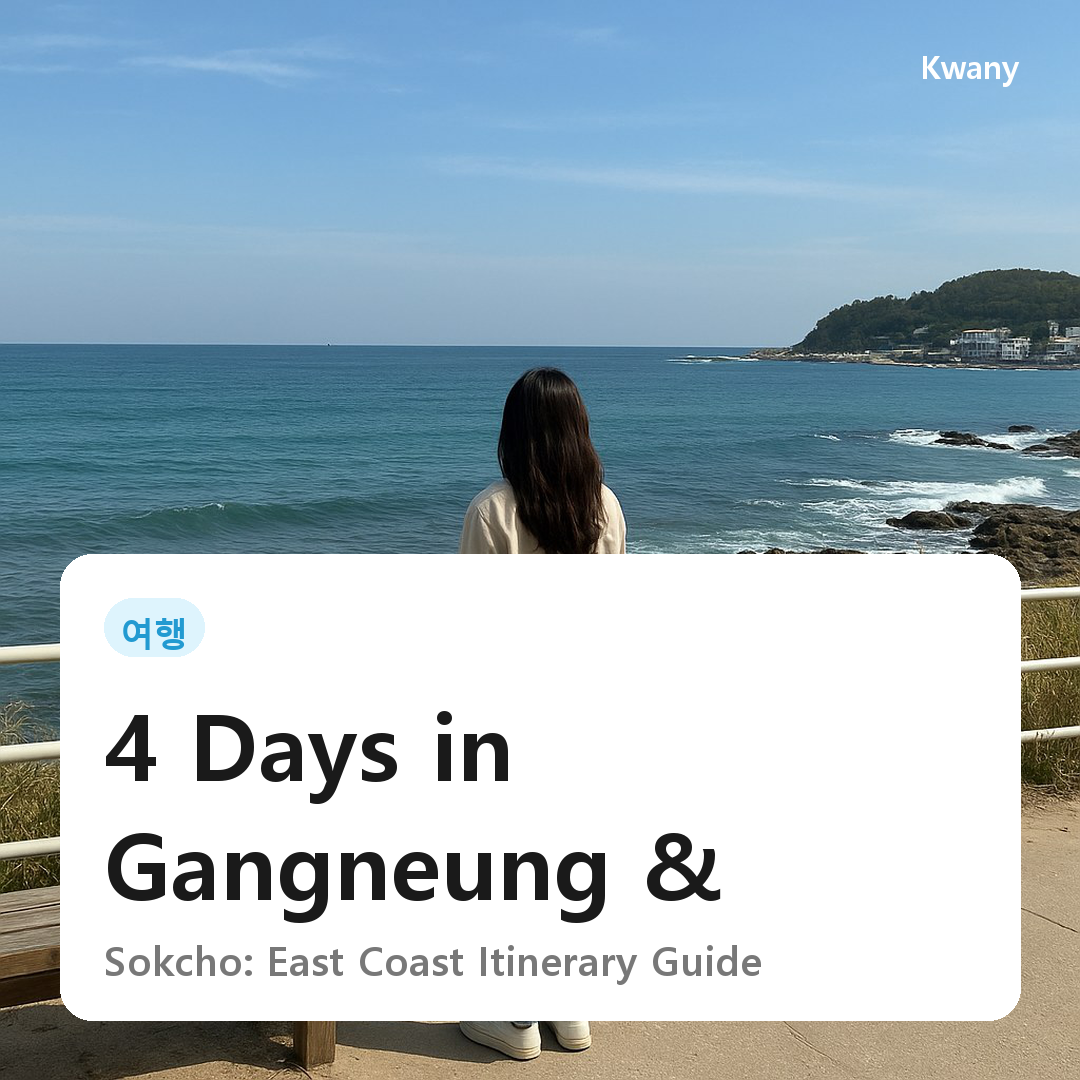
Honestly, I almost cut Sokcho from the trip entirely. The original plan was Gangneung and back to Seoul in three days, tidy and simple. A friend who'd moved to Sokcho for a year talked me out of that plan over dinner, and I'm glad she did. What changed my mind wasn't a single attraction. It was realizing that Gangneung and Sokcho are close enough, about an hour apart by bus, that splitting them felt like visiting a city and skipping its better half.
✅ For tours and day trips around this area, Klook has a solid selection with English guides available.

If you're planning a Korea trip in 2026, the east coast rarely makes it onto a first-timer's list the way Seoul, Busan, or Jeju do. That's partly why it's worth going. Gangneung and Sokcho sit along Gangwon Province's coastline, roughly two hours from Seoul by train, and together they cover what most travelers actually want from a coastal trip: quiet beaches, a genuinely good coffee scene, a national park you can enjoy without a full day of hiking, and seafood that doesn't require a translation app to order well.
💡 This post is especially helpful if you're a couple in your 50s or 60s planning a first Korea trip who wants coastal scenery and cultural sights without long hikes or backpacker-style transport. It also works if you're simply deciding whether four days is enough to see both towns properly.
To be fair, this isn't a trip for people chasing nightlife or fast-paced city energy. Gangneung closes early. Sokcho's biggest attraction after dark is a quiet walk along the harbor. What you get instead is space to actually rest between sights, sit-down meals instead of grabbing food on the move, and mornings that don't require an alarm before 6am unless you want a sunrise. I was surprised to find that the slower pace was the whole point, not a compromise.
🗺️ Looking for guided tours here? Klook has English-speaking options — food tours and walking tours tend to sell out on weekends, so book ahead.
Where Are Gangneung and Sokcho, and When Should You Go?
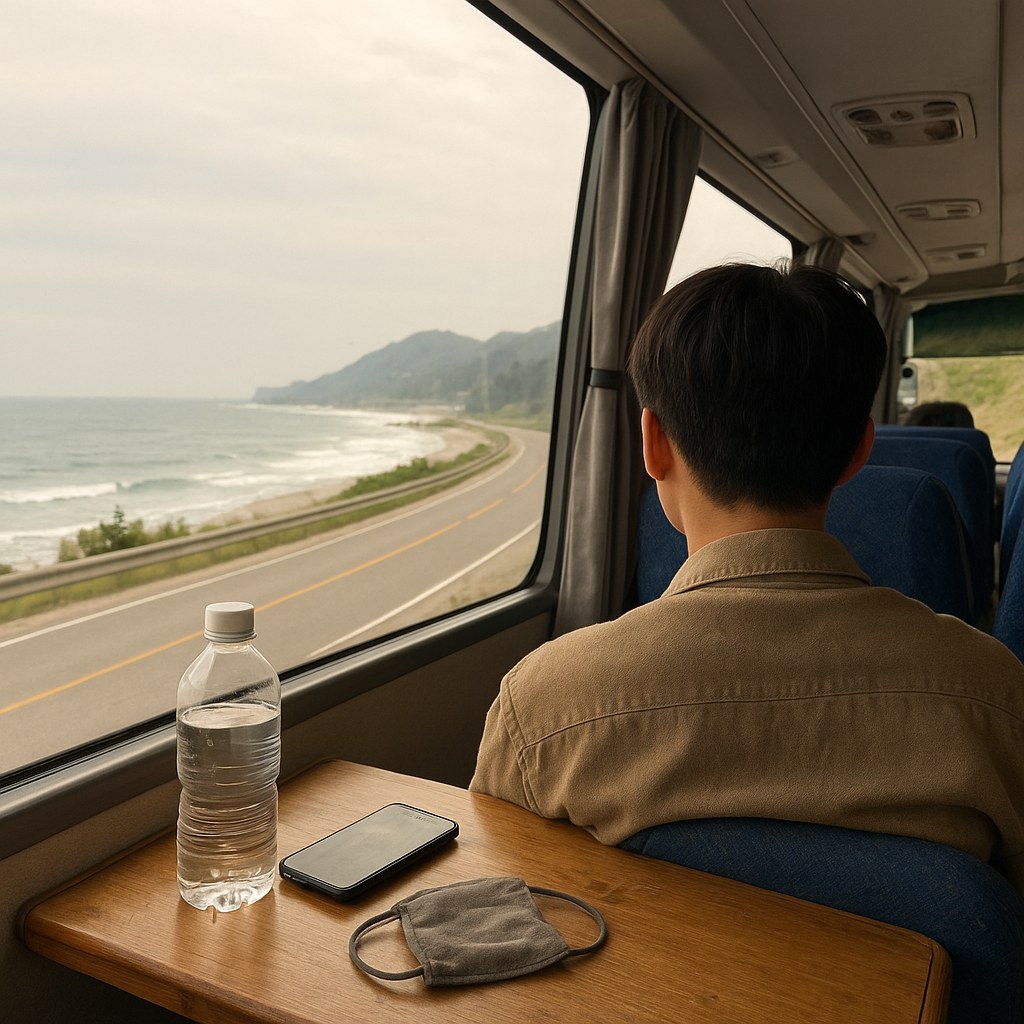
Gangneung and Sokcho are two coastal cities in Gangwon Province, on Korea's East Sea coast, connected by a roughly 40-mile stretch of coastal highway. As of 2026, Gangneung is reachable from Seoul in about two hours by KTX high-speed train, while Sokcho has no train station and is best reached by direct express bus from Seoul (around three hours) or by local bus from Gangneung (about one hour).
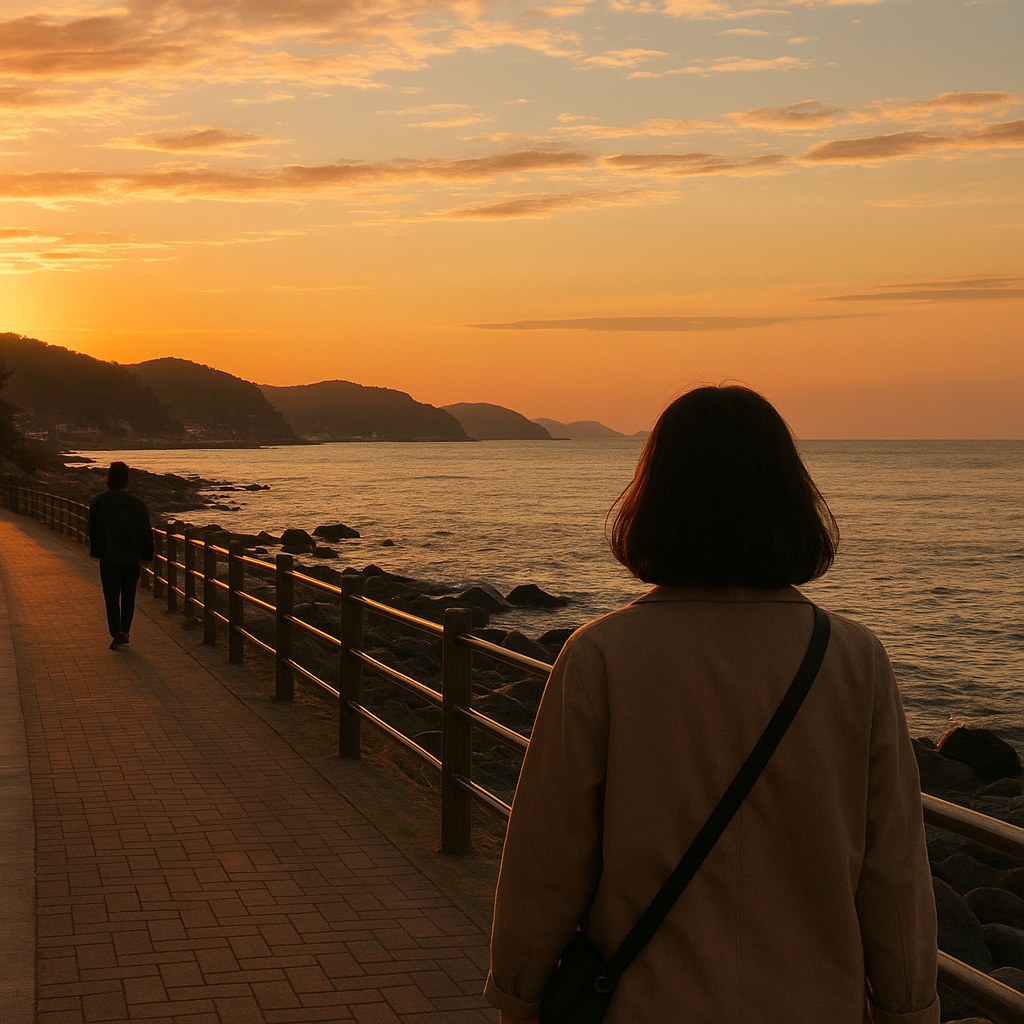
Personally, I'd plan around the shoulder seasons if your schedule allows it. Spring (April to May) brings mild weather and thinner crowds before summer beach season starts. Summer (July to August) is peak season for Gyeongpo and Sokcho beaches, which means warm water but also packed parking lots and higher hotel prices. Fall (late September to October) is when Seoraksan's foliage draws the biggest crowds of the year, and autumn colors here are genuinely worth planning around if you have flexibility. Winter (December to February) is quiet and cold, but Gangneung's coffee shops and Sokcho's seafood markets don't slow down for the season.
| Season | Crowds | Weather | Notes |
|---|---|---|---|
| Spring (Apr-May) | Low to moderate | Mild, 12-20°C | Best value on hotels, fewer beach crowds |
| Summer (Jul-Aug) | Very high | Hot, humid, 25-30°C | Book beachfront hotels 2+ months ahead |
| Fall (Sep-Oct) | Highest (foliage) | Cool, crisp, 10-18°C | Seoraksan peak season, reserve cable car ahead |
| Winter (Dec-Feb) | Low | Cold, 0-8°C, occasional snow | Best seafood prices, some hiking trails close |
💡 Pro Tip: Shoulder season (May or late October) gives you the best ratio of good weather to lower hotel prices. Peak summer weekends and peak foliage weeks can push the same room 40 to 60 percent higher than the rate two weeks earlier or later.
A comfortable four-day trip for two people, mid-range hotels and sit-down meals included, runs somewhere around 800,000 to 1,200,000 KRW (roughly 585 to 875 USD) as of 2026, not counting Seoul-based flights. I'll break that down properly further down.
Is a Gangneung and Sokcho Trip Worth It in 2026?
Yes, if you have at least three full days to give the coast, Gangneung and Sokcho are worth visiting together rather than picking just one. Gangneung covers the coffee culture and cultural sights, while Sokcho covers the national park and the more dramatic coastline, and neither town alone tells the full story of Gangwon's east coast.
The harder question is usually how to divide your time and how to get between the two towns without renting a car you're not confident driving on unfamiliar roads. Here's how the main options actually compare.
| Option | Pros | Cons | Best for |
|---|---|---|---|
| Gangneung only (3-4 days) | Simpler logistics, no inter-city transfers | Misses Seoraksan entirely | Coffee and culture focused travelers, shorter trips |
| Sokcho only (3-4 days) | Seoraksan access, dramatic coastline | Misses Gangneung's Ojukheon and cafe scene | Hikers, nature-focused travelers |
| Both combined (4-5 days) | Full east coast experience, one bus transfer | Requires one hotel change, more planning | First-timers who want variety, couples wanting pace and scenery both |
🎵 If you want the atmosphere before you arrive, GrooveSeoul Studio curates drive and scenic playlists from Seoul, Busan, and beyond.
⚠️ Heads Up: Renting a car sounds appealing for flexibility, but Korean expressway signage and toll systems (Hi-pass lanes) trip up a lot of first-time foreign drivers. Unless someone in your group has driven in Korea before, KTX plus local buses and taxis is the lower-stress choice.
Why This Combined Itinerary Works Best for Comfort-Focused Couples
For a couple in their 50s or 60s taking a first trip to Korea, the combined Gangneung-Sokcho route works because it front-loads the gentler, sit-down experiences (coffee, museums, a calm beach) before the one physically active day at Seoraksan, which itself has a cable car option for the steepest section. If you're a younger solo traveler or an avid hiker, you'd probably flip this itinerary, front-loading Seoraksan's tougher trails like Ulsanbawi and saving Gangneung's slower cafe culture for your last, more tired day. Either way, the one-hour bus between the two towns is short enough that switching bases doesn't eat into your trip.
How Many Days Do You Need for Gangneung and Sokcho?
Four days is enough to see both Gangneung and Sokcho properly, with one day for Gangneung's coffee street and cultural sites, one full day for Seoraksan National Park, and the remaining time split between Sokcho's harbor, beach, and market. Three days works if you're willing to move faster and skip either Ojukheon or the Sokcho ferry crossing.
Your 4-Day East Coast Itinerary
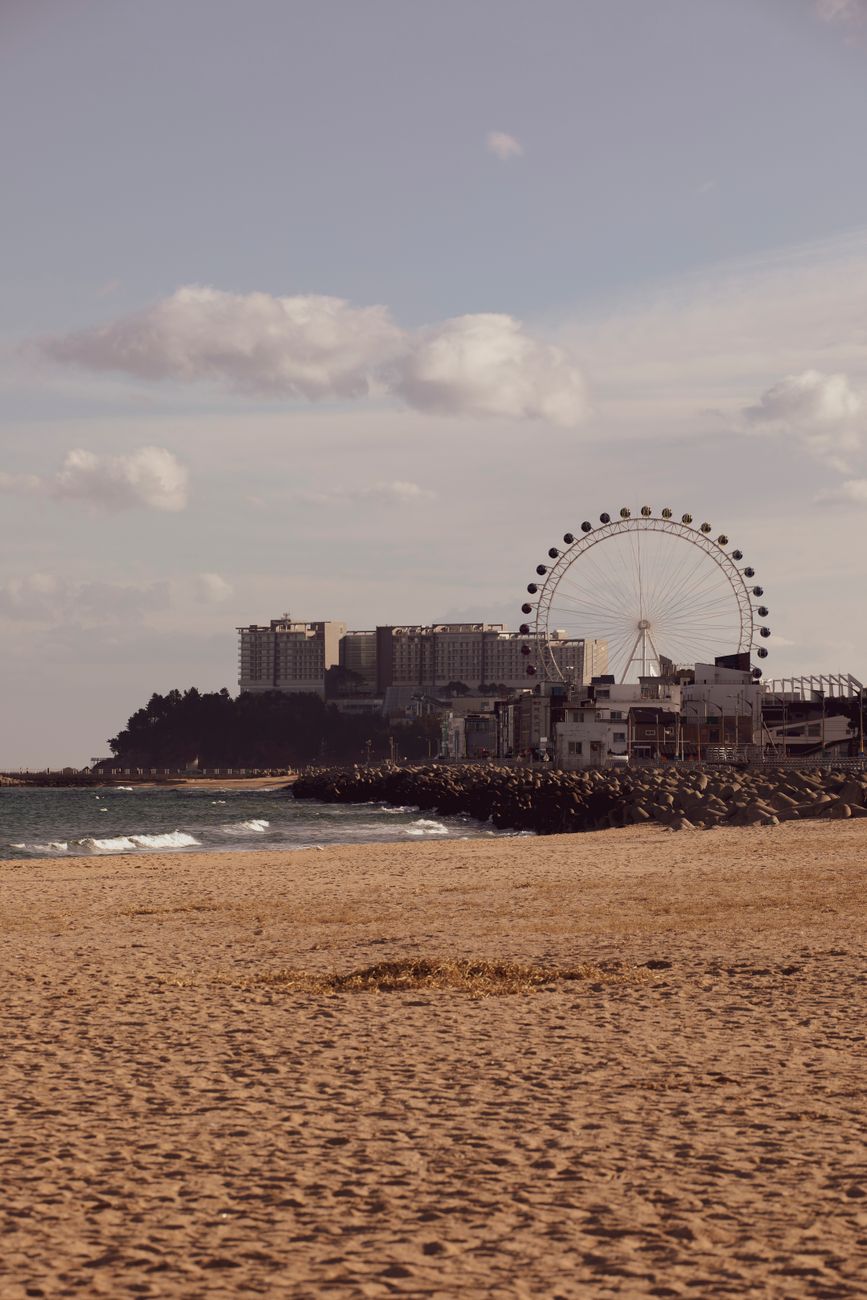
Day 1 in Gangneung is built around arrival and easing in, not sightseeing on a schedule. Take the mid-morning KTX from Seoul (Cheongnyangni Station has more departures than Seoul Station on this line), check into your hotel by early afternoon, and spend the rest of the day at Anmok Beach's coffee street and Gyeongpo Beach.
🛏️ Still looking for somewhere to sleep? Agoda has solid options across all price ranges, with free cancellation on most bookings.
📍 Address: Anmok Beach Coffee Street, Gangneung-si, Gangwon-do
📍 View on Google Maps
🚇 Getting there: About 15 minutes by taxi from Gangneung KTX Station, or local bus 302
⏱️ Time needed: 1.5-2 hours
💴 Admission: Free (coffee runs about ₩5,000-8,000 / $3.60-5.80 per cup)
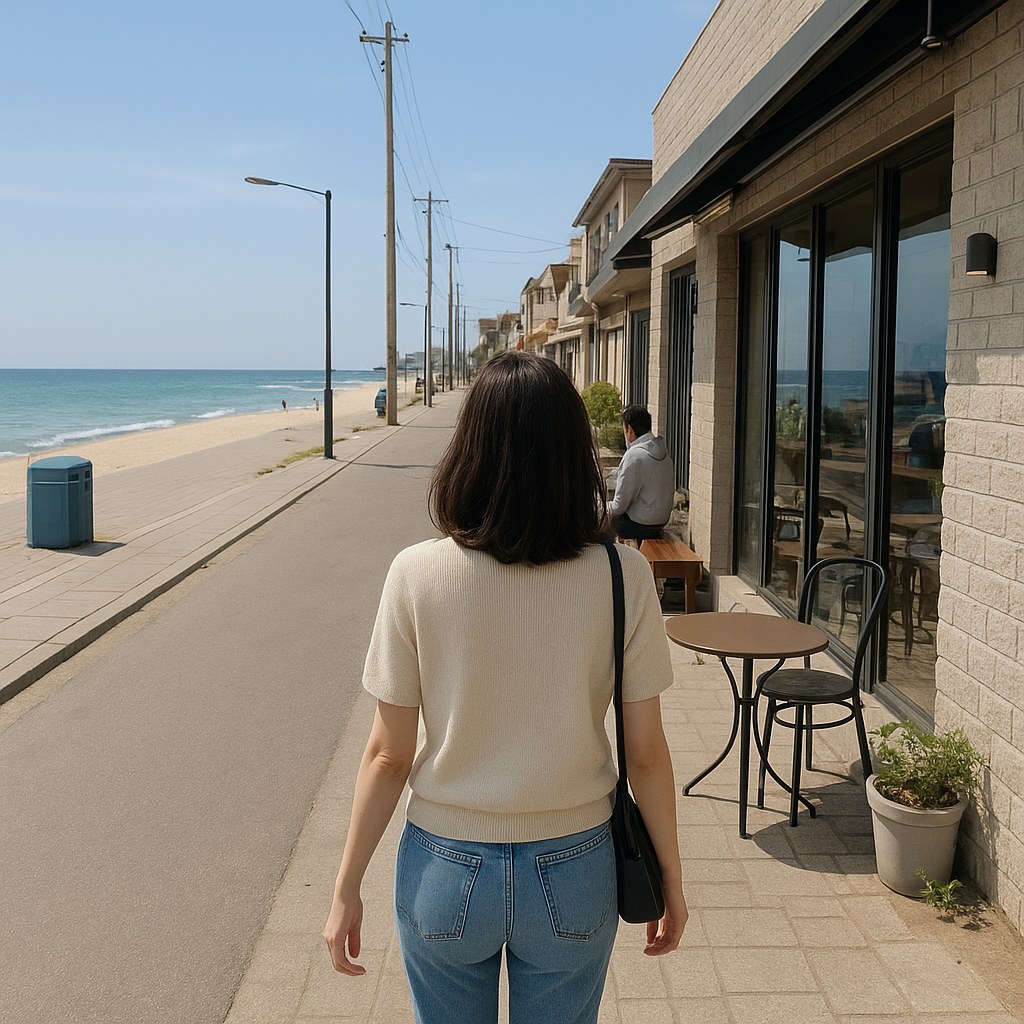
Gangneung's coffee culture isn't a gimmick built for photos. The Anmok Beach strip has dozens of independent roasters, many run by people who trained here specifically because Gangneung's humidity and coastal air are supposed to suit roasting. Order a cup, take it down to the sand, and you'll understand why locals treat this as a normal Tuesday activity rather than a tourist stop. The smell of fresh grounds mixing with sea air is honestly half the appeal.
🇰🇷 Useful Korean: Coffee Shops
- 아메리카노 한 잔 주세요 (a-me-ri-ka-no han jan ju-se-yo): "One Americano, please"
- 여기서 마실게요 (yeo-gi-seo ma-sil-ge-yo): "I'll drink it here" (for dine-in)
- 얼마예요? (eol-ma-ye-yo?): "How much is it?"
Day 2 starts at Ojukheon, the preserved birthplace of Confucian scholar Yi Yulgok and his mother Shin Saimdang, whose portrait appears on the 50,000 won note. The wooden compound dates back roughly 600 years, and unlike some restored sites in Korea, large parts of it are original structure.
📍 Address: 24 Yulgok-ro 3139beon-gil, Gangneung-si
📍 View on Google Maps
⏱️ Time needed: 1-1.5 hours
💴 Admission: Around ₩3,000 (~$2.20) for adults, confirm current fee before visiting

From there, head to Jeongdongjin, home of the train station listed as closest to the sea in Korea and a small station platform that draws crowds specifically for sunrise. Before 6am in summer, the platform is nearly empty; by 7am on a clear day it fills with photographers.
💡 Pro Tip: If sunrise isn't realistic for your schedule, Jeongdongjin's Haslla Art World nearby has an outdoor sculpture park facing the sea that's worth the visit at any hour of the day, with benches every few dozen meters for a proper sit-down break.
In the afternoon, take the local bus from Gangneung to Sokcho, about an hour, and check into your second hotel.
Day 3 is Seoraksan National Park, and it's the one day in this itinerary that asks more of your legs. Start at Sinheungsa Temple, a working Buddhist temple with a large bronze Buddha statue near the entrance, then take the Seorak-dong cable car up toward Gwongeumseong fortress site for coastal views without a serious climb.
📍 Address: Seoraksan National Park entrance, Sokcho-si, Gangwon-do
📍 View on Google Maps
⏱️ Time needed: Half day to full day depending on trail choice
💴 Admission: Park entry has been fee-free for some years; a small Sinheungsa maintenance fee and separate cable car ticket apply, confirm current pricing before visiting
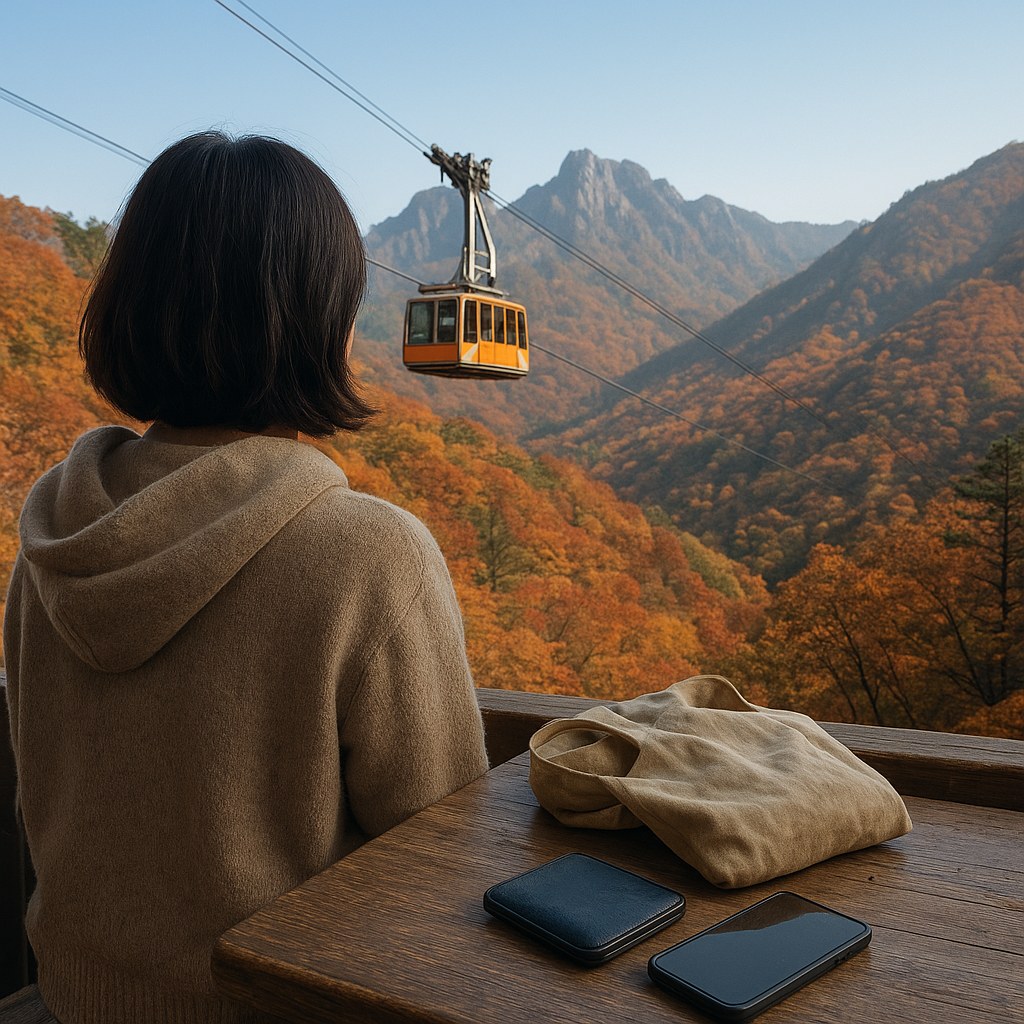
⚠️ Book ahead: Reserve Seoraksan's cable car tickets online at least a few days ahead during fall foliage season (late September through October) and summer weekends. Same-day tickets during peak weeks can mean a two-hour wait in line, which is a rough way to spend a morning at any age.
The gravel path up to Sinheungsa has a particular crunch underfoot that I still remember, mixed with the smell of incense drifting out from the temple grounds. It's a small sensory detail, but it's the kind of thing that sticks with you longer than the photos do.
🇰🇷 Useful Korean: Temples and Cultural Sites
- 사진 찍어도 돼요? (sa-jin jji-geo-do dwae-yo?): "May I take a photo?"
- 괜찮아요 (gwaen-cha-na-yo): "It's okay / no problem"
- 화장실이 어디예요? (hwa-jang-sil-i eo-di-ye-yo?): "Where is the restroom?"
Day 4, your last day, belongs to Sokcho itself. Cross to Abai Village by the small hand-pulled ferry called a gaetbae, a flat raft that locals pull across a narrow channel using a rope rather than a motor, which costs next to nothing and takes about two minutes.
📍 Address: Abai Village, Sokcho-si, Gangwon-do (across from Sokcho Jungang Market)
📍 View on Google Maps
🚇 Getting there: Gaetbae ferry crossing from Sokcho Jungang Market side
⏱️ Time needed: 2-3 hours including lunch
💴 Admission: Ferry crossing around ₩1,500-2,000 (~$1.10-1.50) one-way, cash only

Abai Village exists because of Korean War refugees from Hamgyong Province who settled here expecting to return home within months; many never did. The village's food, particularly abai sundae (a regional variation of Korean blood sausage), reflects that displaced North Korean cooking tradition, and it's worth trying even if sundae isn't normally your thing.
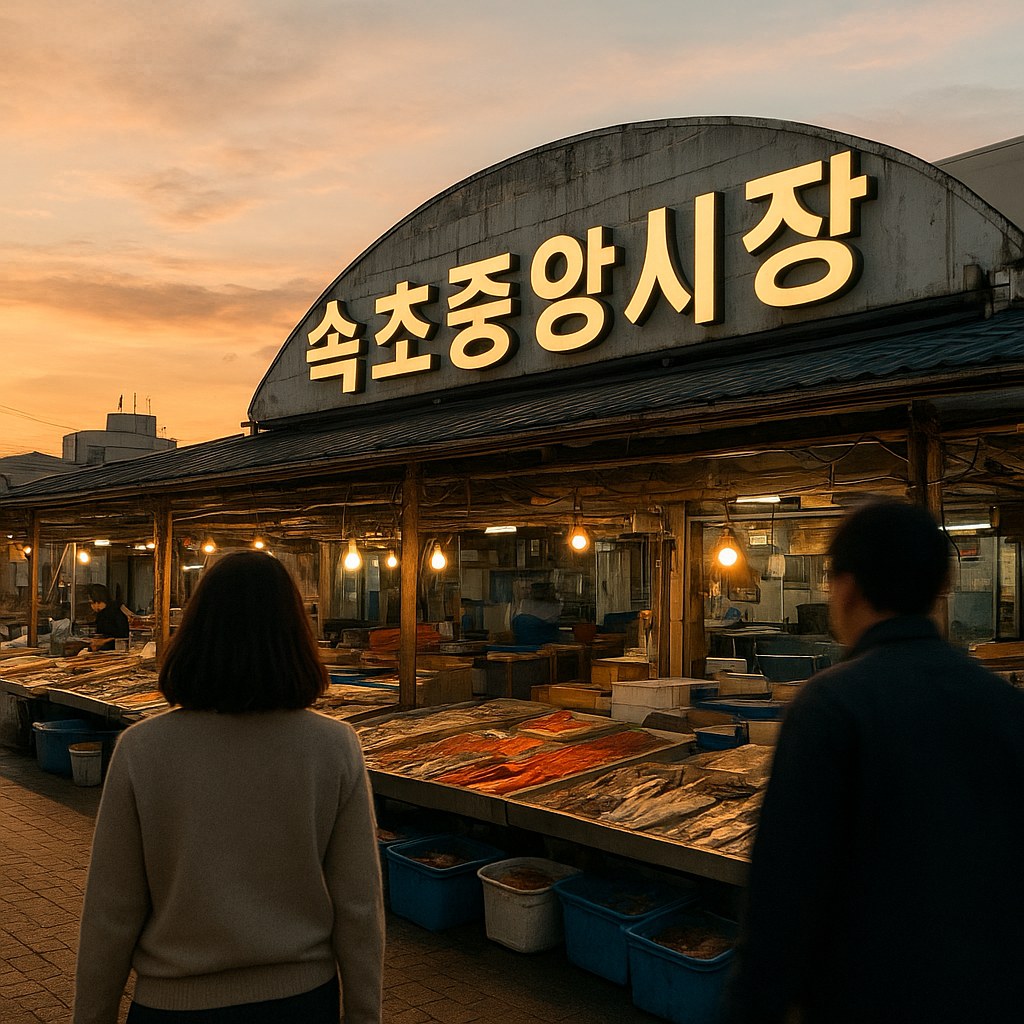
Finish the afternoon at Sokcho Jungang Market for fresh seafood, then head back to Gangneung by evening bus to catch your KTX home the next morning, or take the direct express bus straight back to Seoul from Sokcho if you'd rather skip the Gangneung stopover on your way out.
What Is Sokcho Known For?
Sokcho is known primarily for Seoraksan National Park, its Abai Village refugee history and food culture, and fresh seafood markets along its harbor. It also serves as the main gateway town for travelers heading further north toward the DMZ border area, though that's a separate day trip from this itinerary.
Real Cost Breakdown: What We Actually Spent in 2026
For a couple traveling together over 4 days and 3 nights, staying in mid-range hotels and eating sit-down meals rather than street food throughout, here's roughly what the trip costs as of 2026.
| Item | Detail | KRW | USD (approx) |
|---|---|---|---|
| Transport | KTX round trip Seoul-Gangneung, 2 people | ₩110,000 | ~$80 |
| Transport | Gangneung-Sokcho bus round trip, 2 people | ₩30,000 | ~$22 |
| Accommodation | Mid-range hotel, 3 nights, 1 room | ₩600,000 | ~$440 |
| Food | Sit-down meals for 2, 4 days | ₩280,000 | ~$205 |
| Attractions | Cable car, temple fee, Ojukheon, ferry | ₩70,000 | ~$51 |
| Other | Taxis, coffee, T-money top-up | ₩60,000 | ~$44 |
| Total | 4D3N, 2 people, comfortable tier | ₩1,150,000 | ~$840 |
These are estimates based on typical 2026 pricing and should be confirmed against current rates before booking, particularly hotel prices during summer and fall peak weeks, which can run noticeably higher than the average above.
| Comfortable | Premium | Splurge | |
|---|---|---|---|
| Per day (per person) | ₩120K-180K (~$88-130) | ₩250K-380K (~$180-275) | ₩500K+ (~$365+) |
| Stay | 3-star business hotel | 4-star hotel, sea view | Boutique or resort-style stay |
| Food | Sit-down local restaurants | Seafood specialty restaurants | Chef's table, premium hanwoo |
Practical Tips and Warnings for First-Time Visitors
Gangneung and Sokcho are easier for English-speaking travelers than most of rural Korea, but a few details catch people off guard every year.
Hotel front desks in both towns generally have some English-speaking staff, especially at chain hotels near Gangneung KTX Station, though smaller guesthouses in Sokcho sometimes don't. If English matters to you, book a recognizable chain or a hotel with strong recent reviews mentioning English service.
💡 Pro Tip: Load your T-money transit card before you leave Seoul. Convenience stores in Gangneung and Sokcho can top it up, but not every store has cash-only reload set up correctly for foreign cards paired with mobile wallets.
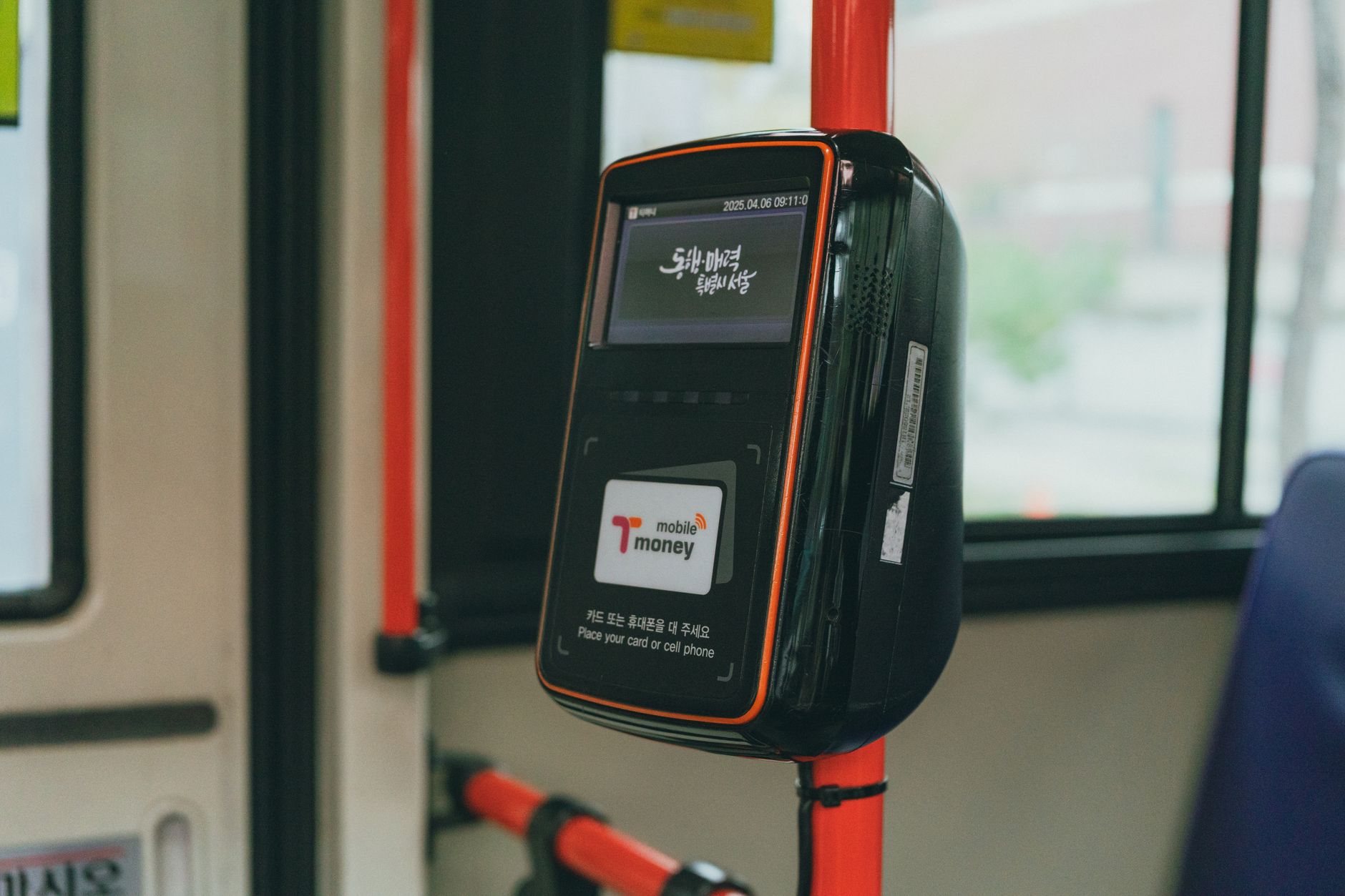
Cash still matters more here than in Seoul. The Abai Village ferry, some smaller seafood stalls at Jungang Market, and a few Ojukheon-area vendors are cash-preferred or cash-only. Withdraw won before you leave the KTX station area, since ATMs thin out once you're outside central Gangneung.
⚠️ Heads Up: Typhoon season (typically August through early October) occasionally disrupts ferry crossings and can close some Seoraksan trails with little notice. Check the Korea Meteorological Administration's forecast the morning of, not the week before.
Walking distances add up faster than they look on a map. Gyeongpo Beach's full loop is a comfortable walk, but the Sinheungsa-to-cable-car path involves a steady incline that's manageable for most fitness levels but not effortless. Bring supportive shoes, and budget rest stops rather than treating the day as a straight march between sights.
Seoul-based mobile data plans and rental SIMs work fine along this entire route, but signal drops briefly in a few mountain sections of Seoraksan. Download offline maps before your Day 3 hike, just in case.
The last entry to some Seoraksan trail sections is earlier than people expect, often 2 to 3pm rather than the 4 to 5pm many visitors assume, since rangers need daylight for the walk back down. Confirm same-day entry cutoffs at the park office when you arrive, not from an old sign or outdated blog post.
The Honest Downside
Sokcho's peak summer weekends get genuinely crowded, and a few restaurants near Jungang Market lean hard into tourist pricing for basic seafood dishes. I'll be upfront about what didn't work as well as I'd hoped: parking near the beach took over 30 minutes to sort out, and the tourist-priced meals were noticeably more than what locals seemed to be paying at stalls one street over. The Abai Village crossing, while charming, is also over quickly and can feel like a five-minute photo stop rather than a destination on its own if you're not stopping to eat there. None of this ruined the trip, but I'd have appreciated someone telling me in advance rather than finding out mid-visit.
Trip Checklist
- Book KTX tickets 2-3 weeks ahead for summer and fall travel
- Reserve Seoraksan cable car tickets online if visiting during fall foliage or summer weekends
- Load your T-money card before leaving Seoul
- Pack supportive walking shoes for the Sinheungsa to cable car path
- Withdraw cash for Abai Village ferry and market stalls
- Download offline maps for Seoraksan's mountain sections
- Confirm your hotel has English-speaking staff if that matters to you
- Check typhoon forecasts directly before travel in August through October
- Pack a light jacket even in summer for early sunrise viewing at Jeongdongjin
FAQ
Q: Is Gangneung worth visiting in 2026?
A: Yes, Gangneung is worth visiting for its coffee culture, Ojukheon's preserved historical architecture, and easy KTX access from Seoul at around two hours each way.
Q: How do I get from Gangneung to Sokcho?
A: Local buses run between Gangneung and Sokcho roughly every 20-30 minutes, taking about one hour and costing around ₩7,000-9,000 (~$5-7) per person as of 2026.
Q: Do I need a car to visit Gangneung and Sokcho?
A: No, a car isn't necessary. KTX to Gangneung combined with local buses and taxis covers this entire itinerary comfortably for most travelers.
Q: What is the best time to visit Seoraksan National Park?
A: Late September through October offers the best foliage viewing, though it's also the most crowded period, so book cable car tickets in advance.
Q: Is the Abai Village ferry safe?
A: Yes, the gaetbae ferry crossing is a short, shallow, and well-established local transport method used daily by residents, not just tourists.
Q: How many days should I spend in Sokcho?
A: Two full days covers Seoraksan National Park and Sokcho's harbor, market, and Abai Village comfortably without rushing.
Q: Is this itinerary suitable for older travelers or those with limited mobility?
A: Most of it, yes. Seoraksan's cable car removes the steepest climbing, though the Sinheungsa approach path does involve a moderate uphill walk that's worth planning rest breaks around.
Related Posts
📄 5 Best Summer Festivals to Attend in Korea 2026 (Honest Review)
📄 Is Jeju Island Worth Visiting in July 2026? Budget Tips & Guide
📄 5-Day Seoul Itinerary with Kids 2026: A Stress-Free Family Plan
이미지 출처: Photo by Theodore Nguyen on Pexels | Photo by 정규송 Nui MALAMA on Pexels
※ 본문 이미지는 이해를 돕기 위해 AI로 생성한 참고 이미지입니다. 실제 현장과 다를 수 있습니다.


0 Comments